Wando
Pisum sativum 'Wando'
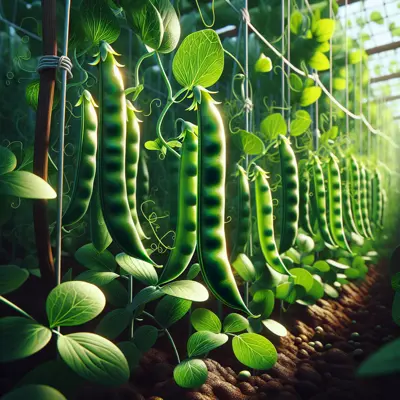
A heat-tolerant shelling pea variety developed for gardeners in warmer climates who thought they couldn't grow peas. This reliable variety produces sweet, tender peas even when temperatures rise, extending the growing season significantly. Perfect for Southern gardens and areas with unpredictable spring weather.
Harvest
68-75d
Days to harvest
Sun
Full sun to partial shade
Zones
2–11
USDA hardiness
Height
12-18 inches
Planting Timeline
Showing dates for Wando in USDA Zone 7
All Zone 7 pea →Zone Map
Click a state to update dates
Wando · Zones 2–11
Growing Details
Succession Planting
Direct sow Wando every 14-21 days starting as soon as soil reaches 45°F in late winter through early May. Most shelling peas stop setting pods once daytime highs push past 75°F, but Wando holds on longer — that's the variety's main practical advantage. Once you're consistently above 85°F, skip the next sowing; germination rates fall and the plants exhaust themselves before producing anything worth picking.
You can also fit in a fall planting by direct sowing around mid-August to early September, timing it so plants reach flowering before the first hard frost. Fall successions often outperform the late-spring tail end because temperatures are falling toward the pea's preferred range rather than climbing away from it.
Complete Growing Guide
Start by preparing your planting site in late winter, choosing a location with morning sun and some afternoon protection in hot climates. Wando thrives in well-drained soil with a pH between 6.0-7.0, so work in 2-3 inches of compost or aged manure before planting.
Direct sow Wando seeds 2-4 weeks before your last expected frost, planting them 1-2 inches deep and 2 inches apart in rows spaced 18-24 inches apart. In zones 7-9, you can plant as early as February, while northern gardeners should wait until March or April. The seeds germinate in cool soil (45-65°F), so don't wait for warm weather. For continuous harvests, succession plant every 2 weeks until daytime temperatures consistently reach 75°F.
Skip starting indoors—peas transplant poorly and direct seeding produces stronger plants. However, you can pre-soak seeds for 8-12 hours to speed germination, especially in cooler soil.
Install a 4-6 foot trellis or support system at planting time since Wando vines reach 24-30 inches tall. Use bamboo poles, wire mesh, or string trellises. The plants will grab onto supports with their tendrils within 3-4 weeks of emergence.
Fertilize lightly at planting with a balanced fertilizer (10-10-10), then avoid high-nitrogen feeds which promote excessive foliage at the expense of pod production. Peas fix their own nitrogen, so they need more phosphorus and potassium for strong root development and pod filling.
Maintain consistent moisture, providing 1 inch of water weekly. Mulch around plants once they're 4 inches tall to retain moisture and keep roots cool—crucial for Wando's heat tolerance. In hot climates, use reflective mulch or plant on the north side of taller crops for afternoon shade.
Avoid these common mistakes: planting too deep (reduces germination), overwatering (causes root rot), and picking pods too late (makes plants stop producing). Also, never work around wet plants as this spreads disease.
Harvesting
Begin harvesting Wando peas 68-75 days after planting when pods are plump but still bright green and glossy. The pods should feel firm and well-filled when you gently squeeze them, with peas inside that haven't yet lost their sweet tenderness.
Test readiness by opening a sample pod—mature peas should be round, bright green, and sweet when eaten raw. If they taste starchy or appear whitish, you've waited too long. Harvest in the early morning when pods are crisp and sugar content is highest.
Use both hands when picking: hold the vine with one hand and gently twist the pod stem with the other. Wando pods should snap off easily at the stem without damaging the plant. Avoid pulling or tugging, which can uproot the shallow-rooted plants.
Check plants daily once harvesting begins, as Wando's heat tolerance means pods can fill quickly in warm weather. Pick all ready pods to keep the plants producing new flowers and extending your harvest window by 2-3 weeks.
Storage & Preservation
Fresh Wando peas store best when kept in their pods in the refrigerator crisper drawer, maintaining quality for 5-7 days. For immediate use, shell the peas and store them in a perforated bag in the refrigerator for up to 3 days.
For longer preservation, blanch shelled peas in boiling water for 90 seconds, then plunge into ice water before freezing in airtight containers. Frozen Wando peas maintain their sweet flavor for up to 8 months.
Wando's tender texture makes it excellent for pressure canning as part of mixed vegetable combinations or soups. The variety's natural sweetness intensifies during processing, making it ideal for batch cooking and meal prep.
You can also dehydrate shelled peas at 125°F for 8-12 hours to create a protein-rich snack or soup ingredient that stores for up to one year in airtight containers.
History & Origin
Wando pea was developed in the 1940s by the USDA Agricultural Research Station in Charleston, South Carolina, specifically to address the challenge faced by Southern gardeners who couldn't successfully grow traditional cool-season peas. Named after the Wando River that flows near Charleston, this variety represented a breakthrough in pea breeding for its remarkable heat tolerance.
The variety was created through selective breeding of European pea varieties crossed with heat-tolerant lines, focusing on maintaining the sweet flavor and tender texture of cool-season peas while extending the viable growing range into warmer USDA zones. Wando became commercially available in the early 1950s and quickly gained popularity among Southern gardeners and commercial growers.
This variety essentially opened up pea cultivation to millions of gardeners in zones 7-9 who had previously been unable to grow peas successfully due to rapidly warming spring temperatures. Today, Wando remains a standard recommendation for heat-prone regions and has influenced the development of other heat-tolerant pea varieties.
Advantages
- +Exceptional heat tolerance allows growing in zones 7-9 where other peas fail
- +Extended harvest window of 3-4 weeks due to continued flowering in warm weather
- +Strong fusarium wilt resistance prevents common soil-borne diseases
- +Reliable germination in cool, wet spring soil conditions
- +Maintains sweetness even when harvested in warmer temperatures
- +Compact 24-30 inch vines require less trellis space than tall varieties
- +Good processing quality for freezing and canning
Considerations
- -Lower yields compared to cool-season varieties in ideal conditions
- -Still struggles in extreme heat above 85°F despite heat tolerance
- -More susceptible to aphid damage in warm weather
- -Shorter overall growing season than traditional cool-season peas
- -Pods can become tough quickly if harvest is delayed in hot weather
Companion Plants
Carrots and radishes are the most useful neighbors here. Radishes germinate fast and loosen the top few inches of soil before your peas are established, and they're out of the ground in about 30 days — well before the peas need the room. Carrots work without much conflict because they pull from roughly the same 6-8 inch depth but don't compete hard for nitrogen, which peas are fixing anyway. Lettuce and spinach fit naturally at the base of a trellis, making use of the shade Wando vines cast once they're past 12 inches.
Keep onions and garlic out of the same bed. Alliums produce sulfur compounds that suppress Rhizobium bacteria — the same bacteria doing the nitrogen-fixation work in your pea roots. Planting them together undercuts the main agronomic reason to grow legumes in rotation. Gladiolus is a different problem: it shares viral vectors with peas, and mosaic virus can pass between them quickly enough to damage a planting before the symptoms are obvious enough to catch.
Plant Together
Carrots
Peas improve soil nitrogen for carrots, while carrots' deep roots don't compete with pea's shallow roots
Radishes
Break up soil for pea roots and mature quickly before peas need full space
Lettuce
Benefits from nitrogen fixed by peas and provides living mulch
Spinach
Thrives in nitrogen-rich soil created by pea's nitrogen fixation
Cucumbers
Peas provide nitrogen for heavy-feeding cucumbers and can share trellises
Corn
Corn provides natural trellis support while peas fix nitrogen for corn
Beans
Both legumes improve soil nitrogen and can be succession planted
Mint
Repels ants and rodents that may damage pea seeds and pods
Keep Apart
Onions
Can inhibit pea growth and nitrogen fixation through root exudates
Garlic
Allelopathic compounds can stunt pea growth and reduce pod production
Gladiolus
Competes aggressively for nutrients and can harbor pea weevils
Nutrition Facts
Per 100g serving. % Daily Value based on 2,000 calorie diet. Source: USDA FoodData Central (FDC #170419)
Pests & Disease Resistance
Resistance
Good resistance to fusarium wilt and heat stress. Moderate powdery mildew resistance.
Common Pests
Aphids, pea weevils, thrips, cutworms
Diseases
Powdery mildew, root rot, bacterial blight, mosaic virus
Troubleshooting Wando
What you'll see, why it happens, and what to do about it.
White powdery coating on leaves and stems, usually appearing as temperatures warm and plants get crowded
Likely Causes
- Powdery mildew — a fungal disease that spreads in warm, dry conditions with poor airflow
- Planting too densely (under 2-inch spacing) so air can't move between plants
What to Do
- 1.Strip the worst-affected leaves and bin them — don't compost them
- 2.Spray with diluted neem oil or a baking soda solution (1 tablespoon per gallon) every 7-10 days
- 3.Accept that late-season Wando plants will get some mildew — harvest what's left and pull the vines; the variety's heat tolerance buys you time, not immunity
Tiny stippled or silvery patches on leaves, sometimes with distorted new growth or sticky residue on stems
Likely Causes
- Aphid colonies — typically clustering on the undersides of leaves and at growing tips
- Thrips feeding, which NC State Extension's IPM notes causes localized chlorophyll destruction showing as stippling or flecking
What to Do
- 1.Knock aphids off with a firm stream of water — do it in the morning so foliage dries before nightfall
- 2.Clear any weedy areas within 10 feet of the bed before planting; NC State Extension IPM warns that thrips and aphids both move readily from weedy margins into crops
- 3.For heavy infestations, apply insecticidal soap directly to affected tissue, coating the undersides of leaves; repeat every 5-7 days until populations drop
Frequently Asked Questions
How long does Wando pea take to grow?▼
Can you grow Wando peas in hot climates?▼
Is Wando pea good for beginners?▼
Can Wando peas be grown in containers?▼
When should I plant Wando peas?▼
What do Wando peas taste like?▼
Zone-by-Zone Planting Calendar
| Zone | Indoor Start | Transplant | Direct Sow | Harvest |
|---|---|---|---|---|
| Zone 3 | — | — | May – June | July – October |
| Zone 4 | — | — | April – June | July – October |
| Zone 5 | — | — | April – May | June – November |
| Zone 6 | — | — | April – May | June – November |
| Zone 7 | — | — | March – May | May – November |
| Zone 8 | — | — | March – April | May – December |
| Zone 9 | — | — | February – March | April – December |
| Zone 10 | — | — | January – March | March – December |
| Zone 1 | — | — | June – July | August – September |
| Zone 2 | — | — | May – July | July – September |
| Zone 11 | — | — | January – February | February – December |
| Zone 12 | — | — | January – February | February – December |
| Zone 13 | — | — | January – February | February – December |
Growing Guides from Wind River Greens
Sources & References
External authority sources used in compiling this guide.
See the Methodology page for how this data is sourced, what's AI-assisted, and known limitations.