Potomac Yellow
Antirrhinum majus
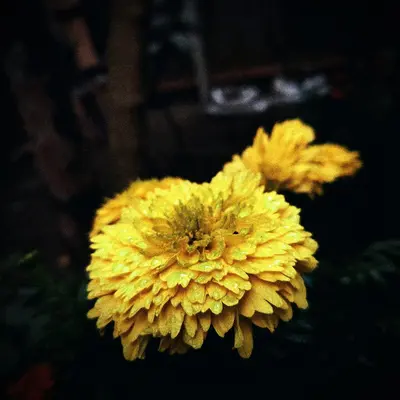
Cheery, lemon-yellow blooms for field or greenhouse production. Group 3-4: Warm season snapdragons are bred for optimal performance under long days, high light levels, and warm temperatures. Edible Flowers: The flowers are a colorful garnish for use in salads, desserts, and drinks. The flavor is floral and slightly bitter, so use sparingly.
Harvest
110-120d
Days to harvest
Sun
Full sun to partial shade
Zones
7–10
USDA hardiness
Height
0-3 feet
Planting Timeline
Showing dates for Potomac Yellow in USDA Zone 7
All Zone 7 flower →Zone Map
Click a state to update dates
Potomac Yellow · Zones 7–10
Growing Details
Succession Planting
Potomac Yellow runs 110–120 days to bloom and does its best work in cool weather, so you're essentially racing the summer heat twice — once in spring, once in fall. In zone 7, start a first round indoors in early February and transplant out in April. A second indoor start in late February to early March gives you a May transplant and extends your cutting window by three to four weeks. Once daytime highs sit consistently above 85°F, the plants stall and stop producing usable stems — sowing after early June is a waste of seed. A late-July indoor start can push a fall flush before first frost if your summers cool back down by September.
Complete Growing Guide
Cheery, lemon-yellow blooms for field or greenhouse production. Group 3-4: Warm season snapdragons are bred for optimal performance under long days, high light levels, and warm temperatures. Edible Flowers: The flowers are a colorful garnish for use in salads, desserts, and drinks. The flavor is floral and slightly bitter, so use sparingly. According to Johnny's Selected Seeds, Potomac Yellow is 110 - 120 days to maturity, annual, hybrid (f1). Notable features: Easy Choice, Greenhouse Performer, Use for Cut Flowers and Bouquets, Edible Flowers, Fragrant.
Light: Full sun (6 or more hours of direct sunlight a day), Partial Shade (Direct sunlight only part of the day, 2-6 hours). Soil: High Organic Matter. Drainage: Good Drainage. Height: 0 ft. 6 in. - 3 ft. 0 in.. Spread: 0 ft. 6 in. - 0 ft. 10 in.. Spacing: Less than 12 inches. Growth rate: Medium. Maintenance: Medium.
Harvesting
Potomac Yellow reaches harvest at 110 - 120 days from sowing per Johnny's Selected Seeds. As an annual, harvest continues until frost ends the season.
A capsule, half hidden by calyx lobes, short-beaked.
Type: Capsule. Length: 1-3 inches.
Storage & Preservation
For fresh storage, keep Potomac Yellow snapdragon flowers in a cool location (32-45°F) in a vase with fresh water, away from ripening fruit which produces ethylene gas. Store in the refrigerator to extend vase life to 7-10 days; change water every 2-3 days and remove lower foliage. For preservation, dry flowers by hanging bundles upside-down in a warm, dark, well-ventilated space (60-70°F) for 2-3 weeks for dried arrangements. Alternatively, press flowers between paper in a heavy book for 2-3 weeks to create flattened specimens for crafts or decoupage. Freezing in ice cubes (with water) preserves flowers for decorative use in beverages.
History & Origin
Potomac Yellow is an F1 hybrid developed through controlled cross-pollination. Listed in the Johnny's Selected Seeds catalog.
Origin: Southwestern Europe
Advantages
- +Bright lemon-yellow blooms bring cheerful color to field production
- +Performs excellently in warm season conditions with high light
- +Easy difficulty rating makes it suitable for novice growers
- +Edible flowers add unique culinary value to salads and desserts
- +110-120 day maturity allows reasonable turnaround for commercial growers
Considerations
- -Floral bitter flavor requires careful portion control in culinary use
- -Snapdragons are prone to rust and powdery mildew in humid conditions
- -Requires consistent warm temperatures; performance drops in cool weather
- -Group 3-4 snapdragons need high light levels or become leggy
Companion Plants
Marigolds — French marigolds (Tagetes patula) specifically — earn their spot here because their root secretions suppress soil nematodes, and their dense canopy disrupts thrips looking for a landing zone on your snapdragons. Nasturtiums work as an aphid trap crop, pulling Myzus persicae away from the Antirrhinum and giving you a visible signal before the infestation jumps. Sweet alyssum tucked along the border runs small flowers from spring through fall and pulls in parasitic wasps that work the same pest pressure. Fennel and black walnut are the ones to skip — fennel chemically suppresses many annuals through allelopathy, and juglone from black walnut roots moves far enough through the soil to stunt shallow-rooted flowers like Potomac Yellow.
Plant Together
Marigolds
Repel nematodes and aphids while attracting beneficial insects
Nasturtiums
Act as trap crop for aphids and cucumber beetles
Sweet Alyssum
Attracts beneficial predatory insects like lacewings and hoverflies
Lavender
Repels moths, fleas, and mosquitoes with its strong fragrance
Cosmos
Attracts pollinators and beneficial predatory insects
Zinnia
Attracts butterflies and beneficial insects while providing complementary colors
Catnip
Repels mosquitoes, ants, and rodents effectively
Petunias
Repel aphids, tomato hornworms, and squash bugs
Keep Apart
Black Walnut
Produces juglone toxin that inhibits growth of many flowering plants
Fennel
Releases allelopathic compounds that stunt growth of nearby plants
Eucalyptus
Strong allelopathic properties suppress germination and growth of other plants
Pests & Disease Resistance
Common Pests
Aphids, spider mites, thrips
Diseases
Powdery mildew, root rot, rust
Troubleshooting Potomac Yellow
What you'll see, why it happens, and what to do about it.
White powdery coating on leaves and stems, usually showing up mid-summer when nights cool down
Likely Causes
- Powdery mildew (Erysiphe cichoracearum) — favored by warm days, cool humid nights, and poor airflow
- Crowded spacing under 12 inches that traps moisture around foliage
What to Do
- 1.Remove and trash the worst-affected stems — don't compost them
- 2.Spray remaining foliage with a diluted potassium bicarbonate solution (1 tablespoon per gallon of water) every 7 days
- 3.Next season, keep spacing at 12–18 inches and site the bed where it gets morning sun to dry dew fast
Sticky, distorted new growth at shoot tips, sometimes with tiny clustered insects visible on undersides of leaves
Likely Causes
- Aphid infestation (commonly Myzus persicae or Aphis gossypii) — they zero in on soft new tissue
- Thrips feeding, which can look similar but leaves silvery streaking rather than curling
What to Do
- 1.Blast the shoot tips with a firm stream of water on two or three consecutive mornings to knock aphids off
- 2.If the population doesn't drop in 5–7 days, apply insecticidal soap directly to the affected tissue — coat the undersides
- 3.Plant sweet alyssum or nasturtiums nearby to draw in parasitic wasps that feed on aphids
Frequently Asked Questions
How long do Potomac Yellow snapdragon flowers last in a vase?▼
Can you grow Potomac Yellow snapdragons in containers?▼
Are Potomac Yellow snapdragons good for beginners?▼
When should I plant Potomac Yellow snapdragon seeds?▼
What do Potomac Yellow snapdragons taste like as edible flowers?▼
How far apart should I space Potomac Yellow snapdragon plants?▼
Zone-by-Zone Planting Calendar
| Zone | Indoor Start | Transplant | Direct Sow | Harvest |
|---|---|---|---|---|
| Zone 3 | April – May | June – July | June – August | — |
| Zone 4 | March – April | June – June | June – July | — |
| Zone 5 | March – April | May – June | May – July | — |
| Zone 6 | March – April | May – June | May – July | — |
| Zone 7 | February – March | April – May | April – June | — |
| Zone 8 | February – March | April – May | April – June | — |
| Zone 9 | January – February | March – April | March – May | — |
| Zone 10 | January – January | February – March | February – April | — |
| Zone 1 | May – June | July – August | July – September | — |
| Zone 2 | April – May | June – July | June – August | — |
| Zone 11 | January – January | January – February | January – March | — |
| Zone 12 | January – January | January – February | January – March | — |
| Zone 13 | January – January | January – February | January – March | — |
Growing Guides from Wind River Greens
Sources & References
External authority sources used in compiling this guide.
- BreederJohnny's Selected Seeds
See the Methodology page for how this data is sourced, what's AI-assisted, and known limitations.