Tom Thumb
Lactuca sativa 'Tom Thumb'
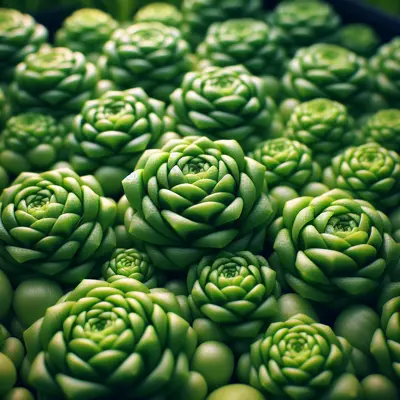
This adorable miniature butterhead forms perfect tennis ball-sized heads that are ideal for small spaces and single servings. Despite its tiny stature, Tom Thumb delivers full-sized flavor with tender, sweet leaves and excellent heat tolerance. A charming heirloom that's perfect for container gardens, kids' gardens, and anyone who loves perfectly portioned individual salads.
Harvest
45-55d
Days to harvest
Sun
Full sun to partial shade
Zones
2–11
USDA hardiness
Height
6-12 inches
Planting Timeline
Showing dates for Tom Thumb in USDA Zone 7
All Zone 7 lettuce →Zone Map
Click a state to update dates
Tom Thumb · Zones 2–11
Growing Details
Succession Planting
Direct sow every 14-21 days starting March 1 in zone 7, continuing through early May. Tom Thumb heads up in 45-55 days, so staggered sowings are the only way to avoid a two-week glut followed by nothing. Pick back up in late August for a fall run — soil temperature needs to drop below 75°F for reliable germination, so wait out the heat rather than fighting it.
Don't bother in summer. Tipburn sets in once daytime highs hold above 80°F, and the compact heads bolt faster than full-size butterheads once the days get long and hot. Tom Thumb tolerates partial shade (4-6 hours), which can extend the spring window by a week or so, but it won't carry you through July. Stop fall sowings by mid-October in zone 7 — anything started later won't size up before a hard frost takes it.
Complete Growing Guide
Tom Thumb lettuce can be started either indoors under grow lights or direct sown into the garden, depending on your climate and preferences. For indoor starting, sow seeds four to six weeks before your last spring frost, then transplant seedlings into the garden once they develop their first true leaves and soil temperatures reach at least 50°F. If direct sowing, plant seeds outdoors two to three weeks before your last frost date, as lettuce germinates best in cool soil. For fall crops, sow seeds in mid-to-late summer for harvest before the first hard freeze. Because this variety matures in just 45 to 55 days, you have an excellent window for succession planting every two weeks throughout spring and fall for continuous harvests.
Prepare your soil with plenty of compost or aged manure to create a light, well-draining bed rich in organic matter. Sow Tom Thumb seeds directly into the soil surface or barely cover them with ⅛ inch of soil, as lettuce seeds need light to germinate. Space plants six inches apart, which might seem close, but Tom Thumb's compact six-to-twelve-inch frame is perfectly suited to tight spacing in containers, raised beds, or garden rows. The miniature heads will form quickly without crowding complications common in larger varieties.
Water consistently and gently to keep soil evenly moist but never waterlogged. This variety's shallow root system demands regular moisture, especially during warm spells. Apply one inch of water per week through drip irrigation or soaker hoses if possible, as overhead watering can invite fungal diseases. Fertilizing is rarely necessary if your soil was amended well at planting, but if plants look pale, apply a balanced liquid fertilizer at half strength every two to three weeks. Tom Thumb doesn't require heavy feeding like larger crops, so avoid over-fertilizing, which can reduce flavor and create lush foliage prone to disease.
Watch for aphids and flea beetles, which are particularly attracted to young lettuce seedlings. Inspect the undersides of leaves regularly, and spray with neem oil or insecticidal soap at the first sign of pest damage. Slugs and snails love tender lettuce leaves, so handpick these pests or set beer traps in the evening. This variety is susceptible to downy mildew in humid conditions, so ensure good air circulation and avoid wetting foliage. In extreme heat, tipburn can affect the inner leaves, though Tom Thumb tolerates warmth better than many lettuces; provide afternoon shade during peak summer if necessary.
The biggest mistake gardeners make with Tom Thumb is treating it like full-sized butterhead varieties and harvesting too late. Pick individual outer leaves once they're finger-sized, or harvest entire heads at peak tenderness rather than waiting for them to grow larger. This variety's charm lies in its tender, delicate texture and sweet flavor, both of which fade if you delay harvest.
Harvesting
Harvest Tom Thumb lettuces when the heads feel firm to gentle finger pressure and have reached their characteristic tennis ball size, typically four to six inches in diameter with leaves that display a pale green to buttery yellow coloring at the center. Single harvesting—cutting the entire head at soil level—works best for this variety and yields the most tender leaves. For continuous harvests, allow some plants to bolt slightly longer, as Tom Thumb tolerates heat better than most butterheads, though heads taste sweetest when picked in early morning before temperatures rise, ensuring maximum crispness and sugar content in the tender leaves.
Tiny seeds with a dandelion-like tuft (pappus) to aid in wind dispersal.
Color: Brown/Copper. Type: Achene. Length: < 1 inch. Width: < 1 inch.
Harvest time: Summer
Edibility: Leaves can be used raw or cooked in salads, sandwiches, and other dishes. Head lettuce can be stored for 2-3 weeks while leaf and butterhead store for 1-2 weeks.
Storage & Preservation
Fresh Tom Thumb lettuce stores best when harvested with roots attached and immediately placed in cold water for 10-15 minutes to restore full crispness. Shake dry and store in plastic bags with paper towels to absorb excess moisture. Keep refrigerated at 32-35°F with high humidity—a crisper drawer works perfectly. Properly stored heads last 7-10 days, longer than many lettuce varieties due to Tom Thumb's dense structure.
For preservation, Tom Thumb's tender leaves aren't suitable for traditional methods like canning or dehydrating. However, you can freeze cleaned, blanched leaves for 1-2 minutes in boiling water, then shock in ice water before freezing in portions—use within 6 months for soups or smoothies. The variety's perfect individual sizing makes it excellent for quick pickling as lettuce cups; blanch briefly and pickle in rice vinegar with garlic and ginger for Asian-inspired preserved lettuce that keeps refrigerated for 2-3 weeks.
History & Origin
The exact origins of 'Tom Thumb' lettuce remain somewhat obscure in documented horticultural records, though it emerged as a recognized miniature butterhead variety during the twentieth century, likely within European seed catalogues where compact, garden-friendly vegetables gained popularity. The variety carries the hallmarks of traditional heirloom lettuce breeding, with its distinctive tennis ball-sized heads suggesting deliberate selection for uniformity and diminutive size rather than accidental discovery. While specific breeder attribution and introduction year are not definitively established in readily available sources, 'Tom Thumb' belongs to the broader lineage of European butterhead lettuces and reflects the early-twentieth-century gardening movement toward space-efficient, home-scale vegetable varieties.
Origin: Mediterranean to Siberia
Advantages
- +Perfect tennis ball-sized heads fit snugly in small container gardens.
- +Sweet, buttery flavor rivals full-sized butterhead varieties despite miniature proportions.
- +Fast 45-55 day harvest makes Tom Thumb ideal for succession planting.
- +Individual serving portions eliminate waste for single households or small families.
- +Excellent heat tolerance prevents bolting during summer growing seasons.
Considerations
- -Susceptible to aphids and flea beetles requiring regular pest monitoring.
- -Tiny head size means significantly lower total yield per planting area.
- -Prone to tipburn in extreme heat despite advertised heat tolerance.
- -Vulnerable to downy mildew and bottom rot in humid conditions.
Companion Plants
Radishes are Tom Thumb's most practical neighbor — they germinate in 5-7 days, break up the top few inches of soil, and get pulled long before lettuce heads out at 45-55 days, so there's no drawn-out competition. Chives and garlic both emit sulfur compounds that deter aphids, which are a persistent nuisance on lettuce; either one planted at the bed edge pulls its weight without shading the low-growing heads. Nasturtiums act as a trap crop for aphids and blackflies, concentrating them away from the lettuce where you can deal with them. Keep sunflowers out — they release allelopathic compounds from their roots and decomposing leaves that suppress neighboring plants — and broccoli is a poor fit because its feeding roots occupy the same shallow 6-12 inch zone Tom Thumb depends on, especially in dry spells.
Plant Together
Chives
Repels aphids and other soft-bodied insects that commonly attack lettuce
Radishes
Quick-growing radishes help break up soil and can be harvested before lettuce needs the space
Carrots
Deep taproot doesn't compete with shallow lettuce roots and helps aerate soil
Marigolds
Natural pest deterrent that repels nematodes and various garden pests
Spinach
Similar growing requirements and both benefit from partial shade in hot weather
Garlic
Deters aphids, slugs, and other pests while improving soil health
Nasturtiums
Acts as trap crop for aphids and adds natural pest control
Peas
Nitrogen-fixing legume enriches soil and provides natural shade for cool-season lettuce
Keep Apart
Sunflowers
Allelopathic compounds inhibit lettuce germination and growth
Broccoli
Heavy feeder that competes for nutrients and can overshadow small lettuce plants
Walnut trees
Produce juglone, a natural herbicide toxic to lettuce and many other plants
Nutrition Facts
Per 100g serving. % Daily Value based on 2,000 calorie diet. Source: USDA FoodData Central (FDC #2346388)
Pests & Disease Resistance
Resistance
Good heat tolerance for butterhead type, moderate disease resistance
Common Pests
Aphids, flea beetles, slugs, snails
Diseases
Downy mildew, bottom rot, tipburn in extreme heat
Troubleshooting Tom Thumb
What you'll see, why it happens, and what to do about it.
Seedlings collapse at soil level within 7-14 days of germination, often with a fuzzy whitish mold visible on the soil surface nearby
Likely Causes
- Damping off — a complex of soil-borne fungi (Pythium spp., Rhizoctonia solani) that thrive in cold, wet, poorly drained soil
- Overwatering or compacted soil that holds moisture around the stem base
What to Do
- 1.Pull and discard affected seedlings; don't compost them
- 2.Let the soil surface dry slightly between waterings — Tom Thumb wants about 3/4 inch per week, not more
- 3.Next sowing, use a well-draining mix and rotate out of this bed for a season if damping off keeps recurring in the same spot
White-gray fuzzy coating on the undersides of older leaves, with pale yellow patches showing through on the upper surface
Likely Causes
- Downy mildew (Bremia lactucae) — spreads fastest in cool, humid nights with temps around 50-60°F and poor airflow
- Crowded spacing that traps moisture between plants
What to Do
- 1.Space plants at least 4-6 inches apart — Tom Thumb is compact but still needs air moving through
- 2.Water at the base, not overhead, and water in the morning so foliage dries before nightfall
- 3.Strip and trash (don't compost) heavily infected outer leaves; if the whole plant is gone, pull it
Brown, water-soaked rot at the base of the head, sometimes with a foul smell, leaves collapsing inward
Likely Causes
- Bottom rot (Rhizoctonia solani) — soil-borne, worse when heads sit directly on wet ground
- Overhead irrigation or heavy rain pooling at the crown
What to Do
- 1.Mulch with straw to keep the head off bare soil and reduce splash
- 2.Improve drainage if the bed stays wet after rain; raised beds help considerably
- 3.Harvest at 45-55 days and don't let heads sit — the longer they linger in warm, wet conditions, the more vulnerable they get
Tiny irregular holes chewed in young leaves, particularly on seedlings just after germination
Likely Causes
- Flea beetles (Phyllotreta spp.) — small, jumping black beetles that feed aggressively on newly germinated seedlings
- Slugs or snails, especially in shaded, moist areas — their damage tends to be larger ragged holes, usually with slime trails nearby
What to Do
- 1.Lay row cover directly over the bed immediately after sowing; remove it once plants are a few inches tall and the weather suits the crop
- 2.For slugs, set out a shallow dish of beer or scatter iron phosphate bait (Sluggo) around the bed perimeter
- 3.Clear debris from around the bed edges in fall — flea beetles overwinter in plant litter and leaf piles
Frequently Asked Questions
How long does Tom Thumb lettuce take to grow?▼
Can you grow Tom Thumb lettuce in containers?▼
Is Tom Thumb lettuce good for beginners?▼
What does Tom Thumb lettuce taste like?▼
When should I plant Tom Thumb lettuce?▼
How many Tom Thumb lettuce plants do I need for a family?▼
Zone-by-Zone Planting Calendar
| Zone | Indoor Start | Transplant | Direct Sow | Harvest |
|---|---|---|---|---|
| Zone 3 | — | — | May – June | June – October |
| Zone 4 | — | — | April – June | June – October |
| Zone 5 | — | — | April – May | June – November |
| Zone 6 | — | — | April – May | May – November |
| Zone 7 | — | — | March – May | May – November |
| Zone 8 | — | — | March – April | April – December |
| Zone 9 | — | — | February – March | March – December |
| Zone 10 | — | — | January – March | March – December |
| Zone 1 | — | — | June – July | July – September |
| Zone 2 | — | — | May – July | July – September |
| Zone 11 | — | — | January – February | February – December |
| Zone 12 | — | — | January – February | February – December |
| Zone 13 | — | — | January – February | February – December |
Growing Guides from Wind River Greens
Sources & References
External authority sources used in compiling this guide.
See the Methodology page for how this data is sourced, what's AI-assisted, and known limitations.