Duke Blueberry
Vaccinium corymbosum 'Duke'
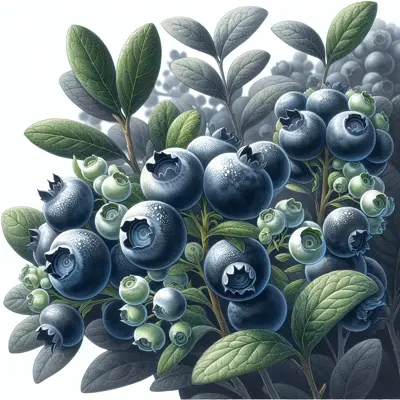
One of the finest early-season blueberry varieties, producing large, firm berries with exceptional sweet flavor in mid-June. Duke offers reliable annual production and excellent cold hardiness, making it a favorite among northern gardeners. The upright, vigorous bushes also provide beautiful white spring flowers and stunning orange-red fall foliage.
Harvest
1095-1460d
Days to harvest
Sun
Full sun to partial shade
Zones
3–8
USDA hardiness
Height
6-12 feet
Planting Timeline
Showing dates for Duke Blueberry in USDA Zone 7
All Zone 7 berry →Zone Map
Click a state to update dates
Duke Blueberry · Zones 3–8
Growing Details
Complete Growing Guide
Light: Full sun (6 or more hours of direct sunlight a day), Partial Shade (Direct sunlight only part of the day, 2-6 hours). Soil: Clay, Loam (Silt), Sand. Soil pH: Acid (<6.0). Drainage: Good Drainage, Moist, Occasionally Dry. Height: 6 ft. 0 in. - 12 ft. 0 in.. Spread: 6 ft. 0 in. - 10 ft. 0 in.. Spacing: 6-feet-12 feet. Growth rate: Medium. Maintenance: Medium. Propagation: Seed, Stem Cutting. Regions: Mountains, Piedmont.
Harvesting
Blue to purple small round fruits that show up in August, ripening from a green to pink color to full ripeness. Females cannot produce fruit on their own. Fruit is edible.
Color: Blue, Green, Pink, Purple/Lavender. Type: Berry. Length: < 1 inch. Width: < 1 inch.
Garden value: Edible
Harvest time: Summer
Edibility: The berries are edible and have been used raw, sun-dried. smoke-dried, and baked. They have high iron content.
Storage & Preservation
Fresh Duke blueberries store exceptionally well due to their firm texture and thick skin. Keep unwashed berries in the refrigerator in their original container or a breathable container for up to 10-14 days. Only wash berries immediately before eating, as moisture accelerates spoilage.
For longer storage, Duke blueberries freeze beautifully without blanching. Spread clean, dry berries in a single layer on baking sheets, freeze until solid, then transfer to freezer bags. Frozen Duke berries maintain their structure better than softer varieties, making them excellent for baking even after thawing.
Duke's sweet flavor profile makes it perfect for jams and jellies with reduced sugar content. The berries' natural pectin content helps preserves set well. Dehydrated Duke blueberries also retain excellent flavor – use a dehydrator at 135°F for 12-18 hours until leathery but still pliable. These make excellent additions to trail mixes and granola.
History & Origin
Origin: Eastern North America
Advantages
- +Attracts: Bees, Butterflies, Pollinators, Songbirds, Specialized Bees
- +Edible: The berries are edible and have been used raw, sun-dried. smoke-dried, and baked. They have high iron content.
Companion Plants
The best neighbors for Duke are plants that either tolerate or actively prefer acidic soil in the 4.5–5.5 pH range — which keeps your amendment work consolidated. Strawberries cover bare soil between rows and suppress weeds without competing much at root depth, and they'll take the same acidified conditions without complaint. Acid-loving ornamentals like Azalea, Rhododendron, and Heather pull in the same inputs — pine bark mulch, sulfur, occasional acidified irrigation — so you're not managing two conflicting soil regimes side by side. Pine trees nearby are a slow payoff: needle drop acidifies the surrounding soil gradually over years, which suits a planting that's already thinking in decades.
Black Walnut is the one to plant nowhere near your blueberries — its roots release juglone, a phenolic compound that disrupts root respiration in Vaccinium species. Brassicas and tomatoes are a different kind of problem: they prefer a pH of 6.0 or higher, meaning any bed prep you do for them actively works against Duke's soil needs. Grow them close and you'll spend the season correcting in opposite directions.
Plant Together
Strawberries
Similar soil pH needs and shallow roots don't compete deeply
Ferns
Tolerates acidic soil and provides natural mulch through decomposing fronds
Heather
Acidifies soil naturally and attracts beneficial pollinators
Thyme
Repels harmful insects while tolerating acidic conditions
Azalea
Shares similar acidic soil requirements and shallow root system
Rhododendron
Thrives in same acidic conditions and provides natural windbreak
Pine Trees
Naturally acidifies soil through needle drop and provides partial shade
Cranberries
Both prefer acidic, well-draining soil with similar moisture needs
Keep Apart
Black Walnut
Produces juglone toxin that inhibits blueberry root development
Brassicas
Prefer alkaline soil conditions opposite to blueberry requirements
Tomatoes
Require neutral to slightly alkaline soil, competing pH needs
Nutrition Facts
Per 100g serving. % Daily Value based on 2,000 calorie diet. Source: USDA FoodData Central (FDC #2346411)
Pests & Disease Resistance
Resistance
Good resistance to mummy berry and moderate resistance to powdery mildew
Common Pests
Birds, aphids, scale insects, blueberry maggot
Diseases
Mummy berry, powdery mildew, root rot, leaf spot
Troubleshooting Duke Blueberry
What you'll see, why it happens, and what to do about it.
Berries shriveled and mummified on the bush, some with a gray-tan powdery coating at the base of the plant in spring
Likely Causes
- Mummy berry (Monilinia vaccinii-corymbosi) — a fungal disease that overwinters in infected fruit on the ground and shoots spores up into new blossoms
- Poor air circulation or low-lying planting site that stays damp
What to Do
- 1.Rake up and bag all mummified fruit from the ground in late winter before bud break — don't compost them
- 2.Apply a 3-4 inch layer of fresh wood chip mulch over the soil in early spring to physically block spore release
- 3.If it's been a recurring problem, apply a copper-based fungicide at early bud swell, following label rates
Leaves with reddish-purple spots or dark lesions, sometimes with yellow halos, appearing mid to late summer
Likely Causes
- Blueberry leaf spot (Septoria albopunctata or Phomopsis vaccinii) — fungal pathogens that spread by rain splash
- Overhead irrigation that keeps foliage wet for extended periods
What to Do
- 1.Switch to drip irrigation if you're using overhead sprinklers — keeping foliage dry cuts transmission significantly
- 2.Remove and bag heavily spotted leaves; don't leave them on the ground to reinfect next season
- 3.Maintain at least 4-6 feet between plants so air can move through the canopy
Stunted new growth, leaves yellowing without improvement after watering, and general decline — especially in plants less than 3 years old
Likely Causes
- Root rot (Phytophthora cinnamomi) — triggered by poorly drained soil or overwatering; Duke is moderately sensitive
- Soil pH above 5.5, which locks out iron and manganese and stresses the root system before you ever see a pest
What to Do
- 1.Test your soil pH and aim for 4.5 to 5.0 for Duke; incorporate elemental sulfur several months before planting if you're running high — doing it after the fact is slow going
- 2.If drainage is the problem, replant on a raised berm 8-12 inches above grade rather than fighting a wet site
- 3.Don't put Duke in ground that holds standing water for more than a few hours after a hard rain
Frequently Asked Questions
How long does Duke blueberry take to produce fruit?▼
Can you grow Duke blueberry in containers?▼
What does Duke blueberry taste like?▼
When should I plant Duke blueberry bushes?▼
Duke vs Bluecrop blueberry - what's the difference?▼
Is Duke blueberry good for beginners?▼
Zone-by-Zone Planting Calendar
Growing Guides from Wind River Greens
Sources & References
External authority sources used in compiling this guide.
See the Methodology page for how this data is sourced, what's AI-assisted, and known limitations.