Lemon Mint
Monarda citriodora
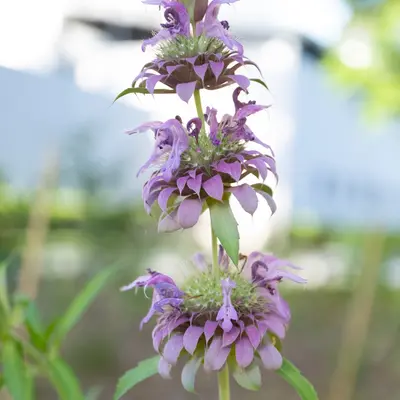
Towers of bright lavender 1 1/2-2" blooms on straight and thin, yet sturdy stems. An unusual and easy-to-use cut flower. The blooms and leaves are edible, though the leaves are intensely spicy. Native to the US. Also known as lemon bee balm, purple horsemint, and lemon mint. Edible Flowers: Add petals to salads, sprinkle over mild fish, use in fruit salads, or to garnish desserts and drinks. Flavor is minty and spicy. Leaves are used to flavor salads, cooked foods, and tea. Attracts Beneficial Insects: Nectar plant for bees, butterflies, and hummingbirds.
Harvest
110-120d
Days to harvest
Sun
Full sun to partial shade
Zones
4–9
USDA hardiness
Height
1-3 feet
Planting Timeline
Showing dates for Lemon Mint in USDA Zone 7
All Zone 7 native-wildflower →Zone Map
Click a state to update dates
Lemon Mint · Zones 4–9
Growing Details
Succession Planting
Direct sow every 3–4 weeks from March through early May in zone 7, stopping once daytime highs are consistently above 80°F — germination drops off sharply in hot soil and you'll waste seed. Because Lemon Mint takes 110–120 days to bloom, a late-May sowing rarely reaches full flower before fall cuts it short. One or two successions in March and April is enough; the plants self-sow reliably once established, so by year two you may not need to sow at all.
Complete Growing Guide
Light: Full sun (6 or more hours of direct sunlight a day), Partial Shade (Direct sunlight only part of the day, 2-6 hours). Soil: Loam (Silt), Sand, Shallow Rocky. Drainage: Good Drainage, Moist, Occasionally Dry. Height: 1 ft. 0 in. - 3 ft. 0 in.. Spread: 0 ft. 8 in. - 1 ft. 0 in.. Spacing: 12 inches-3 feet. Growth rate: Medium. Maintenance: Low. Propagation: Seed. Regions: Coastal, Mountains, Piedmont.
Harvesting
Dry schizocarps, separating into usually 4 nutlets
Color: Brown/Copper. Type: Schizocarp. Length: < 1 inch. Width: < 1 inch.
Harvest time: Summer
Edibility: Leaves used raw or cooked for flavoring in salads, cooked foods, and for tea.
Storage & Preservation
Fresh lemon mint leaves and flowers keep for 3-5 days refrigerated in a plastic bag or container lined with damp paper towels; store separately from ethylene-producing fruits. Fresh-cut flower stems should go immediately into water at room temperature—they last 7-10 days in a vase.
Dry leaves and flowers by hanging bundles upside down in a warm, dark, well-ventilated space for 1-2 weeks, then strip from stems and store in airtight containers away from light. Dried material keeps for up to a year and intensifies the minty-spicy flavor. Freeze fresh leaves and flowers in ice cube trays with water or oil for adding to cocktails and teas. Alternatively, pack whole stems in freezer bags; they'll keep 2-3 months and work well for infusions. Do not can fresh lemon mint due to its low-acid nature; freezing and drying are the safest preservation methods.
History & Origin
Origin: IL, MO, KS south to AL, MS, LA, TX, NM, and Mexico
Advantages
- +Attracts: Bees, Butterflies, Hummingbirds
- +Edible: Leaves used raw or cooked for flavoring in salads, cooked foods, and for tea.
- +Low maintenance
Companion Plants
In our zone 7 Georgia garden, Lemon Mint slots naturally into prairie-style plantings — Black-eyed Susan and Purple Coneflower are the strongest pairings because they share the same full-sun, dry-to-moderate soil preference and hit peak bloom on a similar schedule, which keeps pollinators cycling through without any one plant dominating. Yarrow adds a flat-topped landing pad for parasitic wasps and won't compete for the same root depth. Keep tree saplings pulled out of the bed entirely — even a 6-inch oak seedling will outcompete Monarda for moisture within a single season. Delicate annuals like lobularia get physically overwhelmed by Lemon Mint's spreading stems; they do better with a bed to themselves.
Plant Together
Wild Bergamot
Both are native mints that attract similar beneficial pollinators and have compatible growing conditions
Purple Coneflower
Native wildflower that attracts beneficial insects while lemon mint repels harmful pests
Black-eyed Susan
Complementary native wildflower that benefits from lemon mint's pest-repelling properties
Wild Columbine
Native companion that enjoys similar partial shade conditions and attracts different pollinators
Yarrow
Enhances essential oil production in nearby herbs and attracts predatory insects
Native Asters
Late-season bloomers that extend pollinator season while benefiting from mint's pest deterrent effects
Wild Ginger
Shade-tolerant native that provides ground cover while lemon mint offers pest protection
Coral Bells
Native perennial that thrives in similar conditions and attracts hummingbirds
Keep Apart
Tree Saplings
Aggressive spreading habit can compete with young trees for nutrients and space
Delicate Annual Flowers
Vigorous mint growth can overwhelm and crowd out tender annual plantings
Shallow-rooted Vegetables
Mint's spreading underground rhizomes can invade and compete with vegetable root systems
Pests & Disease Resistance
Common Pests
Rarely problematic; spider mites and aphids possible under stress but not common
Diseases
Powdery mildew in poor air circulation; root rot if overwatered in heavy soil
Troubleshooting Lemon Mint
What you'll see, why it happens, and what to do about it.
White powdery coating on leaves and stems, usually showing up mid-summer when plants are crowded
Likely Causes
- Powdery mildew (Erysiphe cichoracearum or similar) — thrives when air circulation is poor and humidity is high
- Plants spaced closer than 12 inches, blocking airflow between stems
What to Do
- 1.Thin plants to at least 12–18 inches apart if you haven't already — this does more than any spray
- 2.Cut affected stems back by a third and discard the clippings in the trash, not the compost pile
- 3.If it keeps spreading, a diluted neem oil spray (2 tbsp per gallon of water) applied in the evening can slow it down
Stems collapsing at the base, roots soft and brown when you pull the plant
Likely Causes
- Root rot (Pythium or Phytophthora spp.) caused by standing water or heavy clay soil that stays wet between rains
- Overwatering during establishment — Lemon Mint doesn't need as much as most annuals once it's a few inches tall
What to Do
- 1.Pull and discard the affected plants — there's no saving a rotted stem
- 2.Amend the bed with coarse sand or fine pine bark to improve drainage before replanting
- 3.Water only when the top inch of soil is dry; once blooming starts around day 110, you can back off even more
Frequently Asked Questions
How long does lemon mint take to grow from seed?▼
Is lemon mint good for beginners?▼
Can you grow lemon mint in containers or pots?▼
What does lemon mint taste like?▼
When should I plant lemon mint seeds?▼
Is lemon mint a perennial or annual?▼
Zone-by-Zone Planting Calendar
Growing Guides from Wind River Greens
Sources & References
External authority sources used in compiling this guide.
- ExtensionNC State Extension
- BreederJohnny's Selected Seeds
See the Methodology page for how this data is sourced, what's AI-assisted, and known limitations.