Bald Cypress
Taxodium distichum
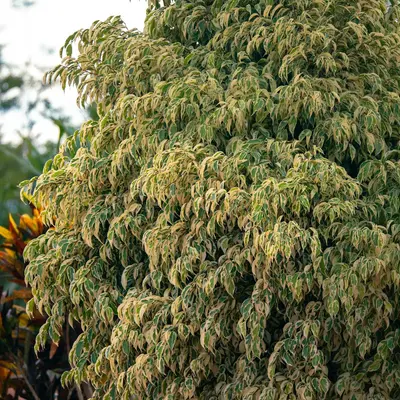
This ancient native conifer defies expectations by dropping its needles each fall after turning a beautiful russet-orange color. Extremely adaptable and long-lived, it thrives in both wet and dry conditions while developing distinctive fluted bark and impressive size, making it a unique choice for homeowners wanting something truly special.
Sun
Full sun to partial shade
Zones
4–9
USDA hardiness
Height
50-70 feet
Planting Timeline
Showing dates for Bald Cypress in USDA Zone 7
All Zone 7 shade-tree →Zone Map
Click a state to update dates
Bald Cypress · Zones 4–9
Growing Details
Complete Growing Guide
Light: Full sun (6 or more hours of direct sunlight a day), Partial Shade (Direct sunlight only part of the day, 2-6 hours). Soil: Clay, High Organic Matter, Loam (Silt), Sand. Soil pH: Acid (<6.0). Drainage: Good Drainage, Moist, Occasionally Wet. Height: 50 ft. 0 in. - 70 ft. 0 in.. Spread: 20 ft. 0 in. - 30 ft. 0 in.. Spacing: 24-60 feet, more than 60 feet. Growth rate: Medium. Maintenance: Low. Propagation: Seed. Regions: Coastal, Piedmont.
Harvesting
The cones on the bald cypress are round, wrinkled, 3/4 to 1-inch in diameter, and purplish green that matures to brown. The scales are thick and irregular. Each tree produces either male cones (pollen-bearing) or female cones (seed-bearing). The cones are pollinated by the wind in the spring. Displays in October.
Color: Brown/Copper, Green, Purple/Lavender. Length: 1-3 inches. Width: 1-3 inches.
Harvest time: Fall
Storage & Preservation
Bald Cypress is a shade tree, not a food product, so traditional storage and preservation methods don't apply. However, for maintaining tree health: store seeds in cool, dry conditions at 32-41°F with 30-40% humidity for dormancy. Cuttings can be preserved in moist peat moss at 40°F for several weeks. For long-term seed storage, stratification—cold, moist treatment for 30 days—enhances germination. Wood preservation isn't necessary for living trees, but fallen wood benefits from proper seasoning in dry conditions to prevent rot.
History & Origin
Origin: Eastern North America from DE to FL, west to Texas and Mexico
Advantages
- +Stunning russet-orange fall color and deciduous needles create unique seasonal interest.
- +Thrives in both wet and dry conditions, highly adaptable to various sites.
- +Develops distinctive fluted bark and impressive size as it matures gracefully.
- +Extremely long-lived and disease resistant with minimal pest problems.
- +Ancient native conifer adds character and novelty that typical shade trees lack.
Considerations
- -Late to leaf out in spring, leaving bare branches for several months.
- -Slow growth rate means it takes decades to reach full mature size.
- -Requires significant space as it can become very large and wide.
- -Needle drop in fall creates cleanup work that deciduous trees require.
Companion Plants
All the best companions here share one practical trait: they tolerate or prefer consistently wet soil. Louisiana Iris, Cardinal Flower, Buttonbush, and Pickerel Rush all perform well in the same boggy or high-moisture conditions where bald cypress is happiest, so there's no competition over site requirements. Wild Ginger and ferns step in as the tree matures and dense summer canopy creates dry shade underneath — both handle low light and root competition without complaint. Boxwood, Lavender, and Rosemary fail here not because of any chemical conflict, but because all three demand sharp drainage and will quietly decline in the slightly acidic, persistently moist soil (pH 5.5–6.5) this tree produces around itself.
Plant Together
Wild Ginger
Thrives in moist, acidic soil conditions created by cypress; provides attractive groundcover
Louisiana Iris
Tolerates wet soil and seasonal flooding that cypress creates; adds spring color
Cardinal Flower
Enjoys the moist, partially shaded conditions under cypress canopy
Swamp Milkweed
Thrives in wet conditions and attracts beneficial pollinators to the area
Ferns
Flourish in the humid, shaded environment created by cypress; complement natural wetland aesthetic
Buttonbush
Shares similar water requirements and provides wildlife habitat in wetland settings
Pickerel Rush
Tolerates standing water around cypress roots; attracts beneficial insects
Spider Lily
Adapts well to seasonal flooding and moist soil conditions under cypress
Keep Apart
Boxwood
Requires well-drained soil and struggles in wet conditions created by cypress
Lavender
Cannot tolerate the consistently moist, poorly drained soil around cypress trees
Rosemary
Requires dry, well-drained conditions opposite to cypress's wet environment
Pests & Disease Resistance
Resistance
Excellent disease resistance
Common Pests
Cypress moths, bagworms, scale (rarely serious)
Diseases
Very disease resistant
Troubleshooting Bald Cypress
What you'll see, why it happens, and what to do about it.
Branches defoliated or covered in silky webbing bags by midsummer, small pellets of frass visible on bark
Likely Causes
- Bagworms (Thyridopteryx ephemeraeformis) — caterpillars build spindle-shaped silk bags and feed inside them, nearly invisible until damage is done
- Drought-stressed trees suffer more from defoliation because they can't recover as quickly
What to Do
- 1.Hand-pick and destroy bags before late June — once the bags are sealed and pupation starts, sprays don't penetrate
- 2.Spray Bacillus thuringiensis (Bt) on young caterpillars in May when bags are still small (under 1 inch)
- 3.Water deeply during dry spells so the tree isn't already stressed when bagworms hit
New foliage emerging pale green or yellow in spring, older needles dropping prematurely, no other visible pest damage
Likely Causes
- Chlorosis from soil pH above 7.5 — bald cypress pulls iron and manganese poorly in alkaline conditions, even when those nutrients are physically present in the soil
- Waterlogged but poorly draining fill soil around a recently transplanted tree, suffocating the root zone before it establishes
What to Do
- 1.Test soil pH — if it reads above 7.0, work elemental sulfur into the root zone and retest in 60 days
- 2.For a transplanted tree showing stress in its first two seasons, confirm the root flare sits at grade, not buried under 4–6 inches of backfill
- 3.Mulch out to the drip line with 3 inches of wood chips to stabilize moisture and gradually acidify as it breaks down
Frequently Asked Questions
How long does it take for a Bald Cypress to reach full size?▼
Is Bald Cypress a good choice for beginners?▼
Can you grow Bald Cypress in containers?▼
Why does Bald Cypress lose its needles in fall?▼
When should I plant a Bald Cypress tree?▼
Zone-by-Zone Planting Calendar
Growing Guides from Wind River Greens
Sources & References
External authority sources used in compiling this guide.
- ExtensionNC State Extension
See the Methodology page for how this data is sourced, what's AI-assisted, and known limitations.