Hon Tsai Tai
Brassica rapa
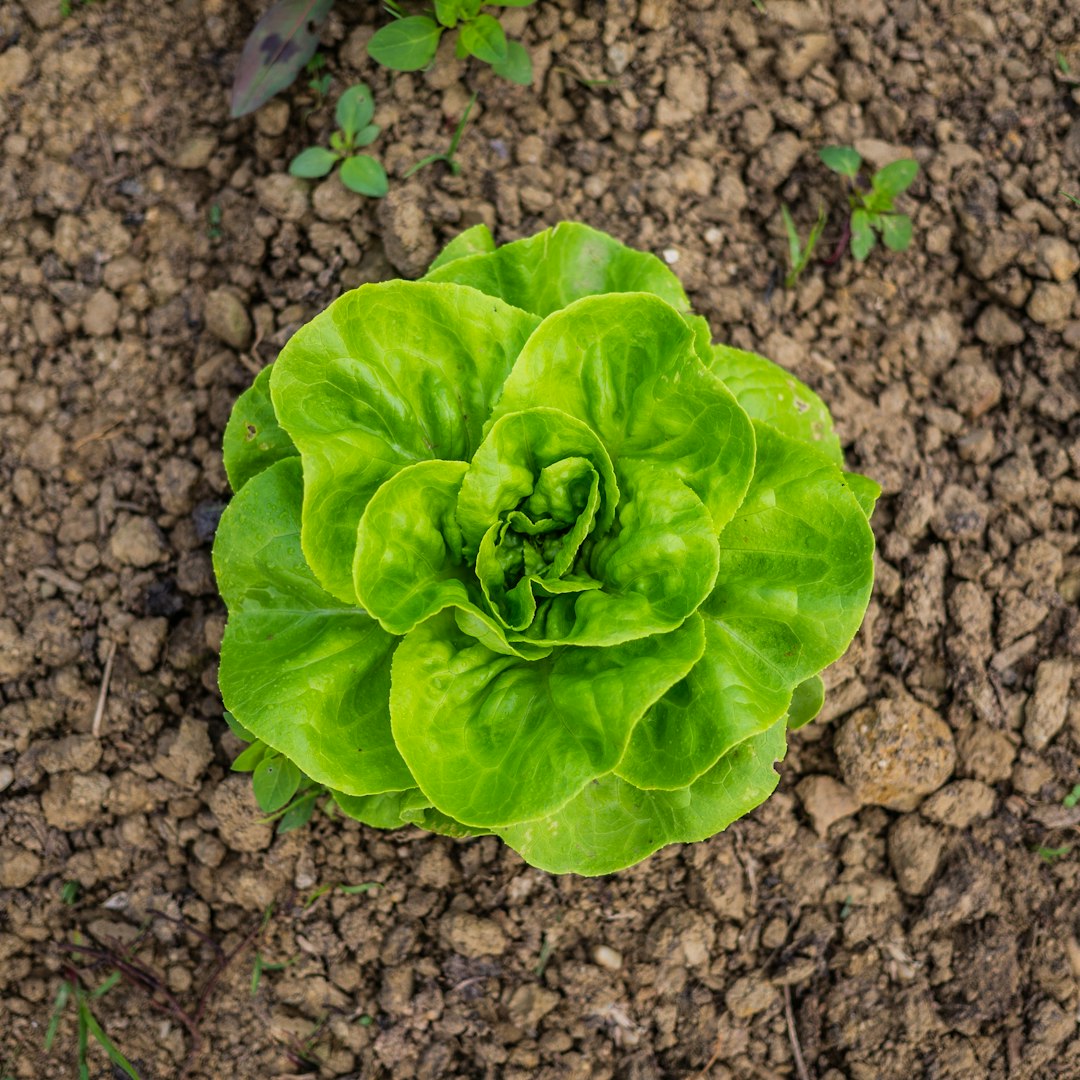
Hon Tsai Tai is an heirloom Asian mustard green with tender, dark green leaves and delicate stems that form loose bunches. Ready to harvest in approximately 37 days, this versatile variety thrives in full sun to part shade conditions. Hon Tsai Tai stands out for its mild, pleasant mustard flavor balanced with a surprisingly tender texture, making it equally suitable for raw salads or cooked applications like stir-fries and braising. The thin stems and leaves remain tender even at maturity, distinguishing it from tougher mustard varieties and appealing to growers seeking a more approachable Asian green.
Harvest
37d
Days to harvest
Sun
Full sun to part shade
Zones
5–9
USDA hardiness
Height
3 feet
Planting Timeline
Showing dates for Hon Tsai Tai in USDA Zone 7
All Zone 7 lettuce →Zone Map
Click a state to update dates
Hon Tsai Tai · Zones 5–9
Growing Details
Succession Planting
Direct sow every 14 days starting around March 1 in zone 7, and keep going through early May. Once daytime highs are consistently hitting 80–85°F, the plants bolt and the stems go woody, so your last spring sowing should be in the ground by late April at the latest. Pick up again in late August or early September for a fall run — Hon Tsai Tai handles light frost without issue, and the cooler nights improve the flavor of the flowering shoots noticeably.
For fall, count back 37 days from your first expected frost (typically mid-November in zone 7), add a week of buffer, and that puts your last sowing around late September. Two or three successions spaced 14 days apart will keep you cutting shoots through most of October and into November without a glut hitting all at once.
Complete Growing Guide
A Chinese specialty also known as Kailaan. The young plants produce quantities of long, pencil-thin, red-purple, budded flower stems. Pleasing, mild mustard taste for use raw in salads or lightly cooked in stir-fries or soups. For multiple harvesting of tender stems and leaves. Can be spring sown, but yields best when sown June through October for harvest from mid summer through winter (in mild areas). Hand harvest 8-10" long shoots by snapping them. Shoots that do not easily snap are overmature. According to Johnny's Selected Seeds, Hon Tsai Tai is 37 days to maturity, annual, open pollinated. Notable features: Cold Tolerant.
Light: Full sun (6 or more hours of direct sunlight a day), Partial Shade (Direct sunlight only part of the day, 2-6 hours). Soil: Clay, Loam (Silt), Sand. Soil pH: Acid (<6.0), Neutral (6.0-8.0). Drainage: Good Drainage, Moist. Height: 0 ft. 10 in. - 2 ft. 0 in.. Spread: 1 ft. 0 in. - 2 ft. 0 in.. Spacing: 12 inches-3 feet. Growth rate: Medium. Maintenance: Medium. Propagation: Seed, Stem Cutting. Regions: Coastal, Mountains, Piedmont.
Harvesting
Hon Tsai Tai reaches harvest at 37 days from sowing per Johnny's Selected Seeds. Expect 8-10" at peak. As an annual, harvest continues until frost ends the season.
The fruits dry and split when ripe.
Color: Brown/Copper, Green. Type: Siliqua. Length: > 3 inches.
Garden value: Edible
Harvest time: Fall, Summer
Bloom time: Spring, Summer
Edibility: The foliage is edible raw or cooked but when cooked can emit an unpleasant odor.
Storage & Preservation
Hon Tsai Tai keeps best in a perforated plastic bag in the refrigerator's crisper drawer, held at 32–40°F with 95% humidity. Fresh leaves will remain crisp and usable for 7–10 days when stored this way. For longer preservation, blanch whole plants or individual leaves for 2–3 minutes, then freeze in airtight containers or vacuum-seal bags; frozen Hon Tsai Tai holds well for 8–12 months and works reliably in cooked dishes, soups, and stir-fries rather than fresh applications. Fermentation is also effective—pack leaves with salt (5% by weight) in a jar for 1–2 weeks at room temperature for a tangy, shelf-stable product. This variety's tender flowering stems are especially prized; harvest them just as flower buds form, blanch lightly, then freeze to preserve their delicate texture and mild, slightly sweet flavor better than mature leaves.
History & Origin
Brassica rapa is an annual to biennial plant species native to Eurasia that is from the Brassicaceae family. The B. rapa subspecies oleifera is an oilseed commonly known as turnip rape, field mustard, bird's rape, and keblock.
Advantages
- +Stunning red-purple budded stems add visual appeal to salads and plates
- +Quick 37-day harvest allows multiple successive plantings throughout growing season
- +Mild mustard flavor works raw in salads or lightly cooked in stir-fries
- +Continuous stem harvesting from single plant provides extended production window
- +Easy hand-harvest method by snapping requires no tools or special skills
Considerations
- -Prefers cool season growing; spring sowings significantly underperform compared to fall plantings
- -Requires consistent moisture and cool temperatures to prevent premature bolting
- -Overmature shoots become tough and woody, reducing harvestable window to days
Companion Plants
Chives and garlic are worth planting at the row ends — alliums mask the brassica scent that draws aphids and cabbage moths (Pieris rapae), making the row harder to locate by smell. Radishes pull their weight too: they mature in 25–30 days and draw flea beetles away from the Hon Tsai Tai, acting as a sacrificial trap crop you can yank and discard once they've done their job. Nasturtiums work the same angle for aphids, concentrating colonies on their own foliage so you can knock them off without touching the edible stems. French marigolds (Tagetes patula, not the big African types) suppress root-knot nematodes when planted densely — relevant if your bed has a history of club root pressure.
Keep Hon Tsai Tai away from broccoli and other heading brassicas. They share every major pest and disease vector, so planting them side by side doubles your flea beetle and Peronospora parasitica exposure in one spot. Fennel produces allelopathic root compounds that stunt its neighbors, and that effect doesn't spare brassicas. In our zone 7 Georgia garden, spring heat arrives fast and the window to get these plants through their 37 days cleanly is shorter than you'd like — a difficult neighbor just burns more of that time.
Plant Together
Chives
Repels aphids and improves growth, while providing natural pest deterrent
Radishes
Break up soil for shallow lettuce roots and mature quickly without competing
Carrots
Different root depths prevent competition and carrots loosen soil for lettuce
Marigolds
Repel nematodes, aphids, and other pests that damage lettuce leaves
Garlic
Natural fungicide properties help prevent lettuce diseases like downy mildew
Spinach
Similar growing requirements and can be interplanted for succession harvests
Nasturtiums
Trap crop for aphids and flea beetles, protecting lettuce from damage
Dill
Attracts beneficial insects that prey on lettuce pests like aphids
Keep Apart
Broccoli
Competes heavily for nutrients and can shade out lettuce with large leaves
Fennel
Releases allelopathic compounds that inhibit lettuce germination and growth
Sunflowers
Allelopathic effects suppress lettuce growth and tall plants create excessive shade
Nutrition Facts
Per 100g serving. % Daily Value based on 2,000 calorie diet. Source: USDA FoodData Central (FDC #2346388)
Pests & Disease Resistance
Common Pests
Flea beetles, cabbage moths, aphids
Diseases
Downy mildew, club root, white rust
Troubleshooting Hon Tsai Tai
What you'll see, why it happens, and what to do about it.
Seedlings collapsing at the soil line within the first 7–10 days after direct sow, sometimes with a fuzzy whitish mold on the soil surface nearby
Likely Causes
- Damping off — a fungal complex (commonly Pythium or Rhizoctonia solani) that thrives in cool, wet, compacted soil
- Overwatering or poor drainage keeping the root zone saturated after germination
What to Do
- 1.Don't replant into the same bed immediately — let it dry out, then work in compost to improve drainage before resowing
- 2.Sow thinly so seedlings aren't crowded; dense stands trap moisture and spread the fungus faster
- 3.If you lose multiple beds in a row, NC State's Plant Disease and Insect Clinic can confirm the pathogen from a submitted sample
Small, irregular holes punched through leaves on young plants, especially in spring when plants are under 6 inches tall
Likely Causes
- Flea beetles (Phyllotreta spp.) — tiny, fast-jumping beetles that feed heavily on young brassica foliage
- Transplant stress making seedlings slower to outgrow the damage
What to Do
- 1.Cover rows with floating row cover (Agribon-15 or similar) immediately after sowing — flea beetles find plants fast
- 2.Direct sow into moist, fertile soil so plants move through the 37-day window quickly; vigorous growth shrugs off flea beetle damage better than a stressed plant does
- 3.Dust diatomaceous earth around the base as a secondary measure, though row cover is more reliable
Gray or white downy coating on the undersides of leaves, with yellow patches on the upper surface
Likely Causes
- Downy mildew (Peronospora parasitica) — a water mold that spreads in cool, humid conditions, common on brassicas in wet springs and falls
- Overhead irrigation or rain with no time for foliage to dry before nightfall
What to Do
- 1.Switch to drip irrigation or water early in the morning so leaves dry before evening
- 2.Strip and bag affected leaves — don't compost them, as spores persist in plant debris
- 3.Rotate Hon Tsai Tai out of any bed that had brassica downy mildew the previous season
Frequently Asked Questions
How long does Hon Tsai Tai take to harvest?▼
What does Hon Tsai Tai taste like?▼
Is Hon Tsai Tai good for beginners?▼
When should I plant Hon Tsai Tai?▼
How do you harvest Hon Tsai Tai?▼
Can you grow Hon Tsai Tai in containers?▼
Zone-by-Zone Planting Calendar
| Zone | Indoor Start | Transplant | Direct Sow | Harvest |
|---|---|---|---|---|
| Zone 3 | — | — | May – June | June – October |
| Zone 4 | — | — | April – June | June – October |
| Zone 5 | — | — | April – May | May – November |
| Zone 6 | — | — | April – May | May – November |
| Zone 7 | — | — | March – May | April – November |
| Zone 8 | — | — | March – April | April – December |
| Zone 9 | — | — | February – March | March – December |
| Zone 10 | — | — | January – March | February – December |
| Zone 1 | — | — | June – July | July – September |
| Zone 2 | — | — | May – July | June – September |
| Zone 11 | — | — | January – February | January – December |
| Zone 12 | — | — | January – February | January – December |
| Zone 13 | — | — | January – February | January – December |
Growing Guides from Wind River Greens
Sources & References
External authority sources used in compiling this guide.
- BreederJohnny's Selected Seeds
- USDAUSDA FoodData Central
See the Methodology page for how this data is sourced, what's AI-assisted, and known limitations.