Floral Power Plum Antique
Viola cornuta
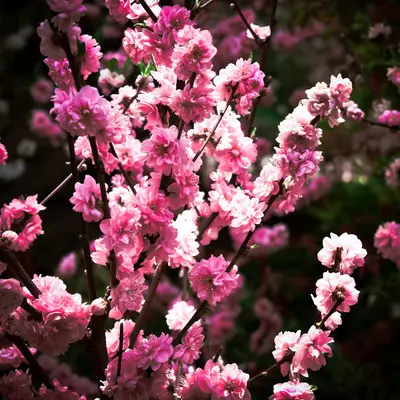
Wikimedia Commons via Viola cornuta
Abundant, lightly fragrant, 1 1/2" blooms are a blend of plum, rose, mauve, and gold. Overwinters well in our unheated tunnel (Zone 5) from a fall planting, yielding 12-20" long stems under those conditions. Plants produce abundant stems that tend to be a little thinner at harvest compared to varieties like the Nature™ series. Also known as pansy, Johnny jump-up, European field pansy, heart's ease, and hybrid violet. Edible Flowers: Decorative and edible garnish for salads and desserts with slight wintergreen flavor. While a popular choice for brightening up salad mix, the flowers are also good for candying.
Harvest
60-70d
Days to harvest
Sun
Full sun to partial shade
Zones
6–11
USDA hardiness
Height
6-9 inches
Planting Timeline
Showing dates for Floral Power Plum Antique in USDA Zone 7
All Zone 7 flower →Zone Map
Click a state to update dates
Floral Power Plum Antique · Zones 6–11
Growing Details
Succession Planting
Floral Power Plum Antique is a hybrid annual that blooms continuously once established rather than producing a single harvestable crop, so strict succession sowing isn't necessary. That said, if you want uninterrupted color from spring through fall, start a second round of seeds indoors 8-10 weeks before your first expected frost date. The first planting — transplanted out in April or May in zone 7 — tends to fade or go leggy by midsummer once daytime highs push past 85°F consistently. A second round started in July can go out in late August and carry color well into November.
Complete Growing Guide
Abundant, lightly fragrant, 1 1/2" blooms are a blend of plum, rose, mauve, and gold. Overwinters well in our unheated tunnel (Zone 5) from a fall planting, yielding 12-20" long stems under those conditions. Plants produce abundant stems that tend to be a little thinner at harvest compared to varieties like the Nature™ series. Also known as pansy, Johnny jump-up, European field pansy, heart's ease, and hybrid violet. Edible Flowers: Decorative and edible garnish for salads and desserts with slight wintergreen flavor. While a popular choice for brightening up salad mix, the flowers are also good for candying. According to Johnny's Selected Seeds, Floral Power Plum Antique is 60 - 70 days to maturity, annual, hybrid (f1). Notable features: Use for Cut Flowers and Bouquets, Fragrant, Grows Well in Containers, Edible Flowers.
Light: Full sun (6 or more hours of direct sunlight a day), Partial Shade (Direct sunlight only part of the day, 2-6 hours). Soil: Clay, Loam (Silt), Sand. Soil pH: Acid (<6.0), Neutral (6.0-8.0). Drainage: Good Drainage, Moist. Height: 0 ft. 6 in. - 0 ft. 9 in.. Spread: 0 ft. 6 in. - 1 ft. 0 in.. Spacing: Less than 12 inches. Growth rate: Rapid. Maintenance: Low, Medium. Propagation: Division, Seed. Regions: Coastal, Mountains, Piedmont.
Harvesting
Floral Power Plum Antique reaches harvest at 60 - 70 days from sowing per Johnny's Selected Seeds. Expect 1 1/2" at peak. As an annual, harvest continues until frost ends the season.
The fruit is a three valves capsule. The seeds have an oily feel and are freely dispersed by ants.
Edibility: Flowers and leaves are edible.
Storage & Preservation
Fresh-cut Floral Power Plum Antique stems last 7-10 days in a cool room with fresh water changed every 2-3 days. Store cut arrangements in a refrigerator (35-40°F) overnight to extend vase life; remove them an hour before display to acclimate to room temperature. For edible flowers, refrigerate unwashed in a paper towel-lined container for up to 3 days.
Preserve flowers through candying: Paint petals with lightly beaten egg white or gum arabic solution, coat with superfine sugar, and dry on parchment paper for 24-48 hours in a warm, dry location. Store candied flowers in an airtight container with parchment between layers for up to 6 months. Alternatively, dry whole flower heads by hanging small bunches upside down in a warm, dark, well-ventilated space for 2-3 weeks. Store dried flowers in airtight containers away from light and moisture.
History & Origin
Floral Power Plum Antique is an F1 hybrid developed through controlled cross-pollination. Listed in the Johnny's Selected Seeds catalog.
Origin: France and Spain
Advantages
- +Abundant blooms in beautiful plum, rose, mauve, and gold blend
- +Produces 12-20 inch long stems when overwintered in tunnels
- +Overwinters reliably in Zone 5 from fall planting
- +Edible flowers work as decorative garnish with wintergreen flavor
- +Quick 60-70 day maturity for spring and fall crops
Considerations
- -Thinner harvest stems compared to Nature series varieties
- -Lightly fragrant rather than strongly scented blooms
Companion Plants
Marigolds (Tagetes spp.) are the most practical neighbor here — their root secretions deter soil nematodes, and their scent confuses aphids that might otherwise find their way to your violas. Sweet Alyssum is another good call: it tops out around 6-8 inches, stays at the same visual layer as Floral Power Plum Antique, and draws parasitic wasps that work through small soft-bodied pest populations. Catmint and Lavender both emit volatile oils that discourage aphids and spider mites — relevant because this viola can pick up mite pressure once temperatures climb and rain drops off. Chives pull similar duty and take up almost no bed space.
Black Walnut is the one to avoid seriously: juglone, the compound that leaches from its roots and leaf debris, suppresses a wide range of ornamentals, and Viola cornuta isn't tolerant of it. Fennel causes problems through a different mechanism — anethole and related compounds it releases into the surrounding soil tend to slow the growth of nearby plants — and there's no practical reason to put it anywhere near a mixed flower bed.
Plant Together
Marigolds
Repel aphids, whiteflies, and nematodes while attracting beneficial predatory insects
Lavender
Deters pests like moths and beetles, attracts pollinators, and complements purple-toned flowers
Sweet Alyssum
Attracts beneficial insects like hoverflies and parasitic wasps that control garden pests
Nasturtiums
Act as trap crops for aphids and cucumber beetles, drawing pests away from main plants
Chives
Repel aphids and other soft-bodied insects while attracting beneficial pollinators
Cosmos
Attract beneficial insects and provide structural support without competing for nutrients
Catmint
Deters ants, aphids, and rodents while attracting bees and other beneficial pollinators
Zinnia
Attract beneficial insects like ladybugs and lacewings that prey on common garden pests
Keep Apart
Black Walnut
Produces juglone toxin that inhibits growth and can kill sensitive flowering plants
Eucalyptus
Releases allelopathic compounds that suppress growth of nearby flowering plants
Fennel
Inhibits growth of most garden plants through allelopathic root secretions
Pests & Disease Resistance
Common Pests
Minimal pest pressure; occasional slugs, spider mites in very dry conditions
Diseases
Root rot in waterlogged soil; occasional powdery mildew in humid conditions with poor air circulation
Troubleshooting Floral Power Plum Antique
What you'll see, why it happens, and what to do about it.
Stems collapsing at soil level, lower foliage turning brown and mushy
Likely Causes
- Root rot (Pythium spp. or Phytophthora spp.) from waterlogged or poorly drained soil
- Overwatering, especially in containers without drainage holes
What to Do
- 1.Pull the affected plant — soggy roots won't recover, and leaving it risks spreading to neighbors
- 2.Improve drainage before replanting: work in perlite or coarse grit, or raise the bed 4-6 inches
- 3.Water only when the top inch of soil is dry; Viola cornuta wants consistent moisture, not wet feet
White powdery coating spreading across leaves, usually starting mid-season when nights cool down
Likely Causes
- Powdery mildew (Erysiphe cichoracearum) — thrives when humidity is high but leaf surfaces are dry, and airflow is poor
- Plants spaced tighter than 12 inches, which cuts air movement between them
What to Do
- 1.Thin or remove crowded stems to open up airflow — don't wait until the whole plant is coated
- 2.Spray affected foliage with a diluted neem oil solution (2 tsp per quart of water) every 7 days until symptoms stop spreading
- 3.Water at the base, not overhead, and do it in the morning so foliage dries before evening
Irregular ragged holes in leaves and flowers, worse after wet nights or early morning
Likely Causes
- Slug feeding (Deroceras reticulatum is the most common culprit in garden beds)
- Moist, mulch-heavy soil giving slugs daytime cover near the crowns
What to Do
- 1.Set out a few shallow dishes of beer near the plants at dusk — slugs drop in and drown
- 2.Apply food-grade diatomaceous earth around the base of plants after a dry stretch; reapply after rain
- 3.Pull back any thick mulch within 3 inches of the stems so slugs lose their hiding spots
Frequently Asked Questions
How long does Floral Power Plum Antique take to flower from seed?▼
Can you grow Floral Power Plum Antique in containers?▼
Is Floral Power Plum Antique good for beginners?▼
What's the difference between Floral Power Plum Antique and Nature™ series pansies?▼
When should I plant Floral Power Plum Antique for winter harvest?▼
Can you eat the flowers from Floral Power Plum Antique?▼
Zone-by-Zone Planting Calendar
| Zone | Indoor Start | Transplant | Direct Sow | Harvest |
|---|---|---|---|---|
| Zone 1 | May – June | July – August | July – September | — |
| Zone 2 | April – May | June – July | June – August | — |
| Zone 11 | January – January | January – February | January – March | — |
| Zone 12 | January – January | January – February | January – March | — |
| Zone 13 | January – January | January – February | January – March | — |
| Zone 3 | April – May | June – July | June – August | — |
| Zone 4 | March – April | June – June | June – July | — |
| Zone 5 | March – April | May – June | May – July | — |
| Zone 6 | March – April | May – June | May – July | — |
| Zone 7 | February – March | April – May | April – June | — |
| Zone 8 | February – March | April – May | April – June | — |
| Zone 9 | January – February | March – April | March – May | — |
| Zone 10 | January – January | February – March | February – April | — |
Growing Guides from Wind River Greens
Sources & References
External authority sources used in compiling this guide.
- BreederJohnny's Selected Seeds
See the Methodology page for how this data is sourced, what's AI-assisted, and known limitations.