Japanese Pieris
Pieris japonica
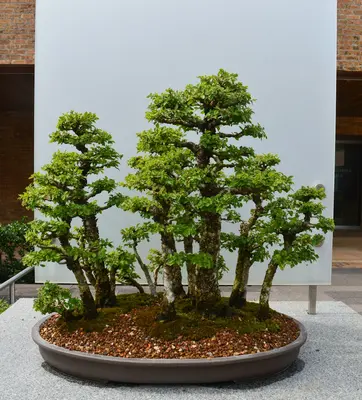
An elegant broadleaf evergreen that produces cascading clusters of bell-shaped flowers in early spring, often appearing before most other shrubs break dormancy. The glossy evergreen foliage provides year-round interest, and many varieties offer stunning bronze or red new growth that rivals any flower display. This sophisticated shrub brings four-season beauty and a refined presence to shade gardens.
Sun
Full sun to partial shade
Zones
4–8
USDA hardiness
Height
8-10 feet
Planting Timeline
Showing dates for Japanese Pieris in USDA Zone 7
All Zone 7 shrub →Zone Map
Click a state to update dates
Japanese Pieris · Zones 4–8
Growing Details
Complete Growing Guide
Light: Full sun (6 or more hours of direct sunlight a day), Partial Shade (Direct sunlight only part of the day, 2-6 hours). Soil: High Organic Matter. Soil pH: Acid (<6.0). Drainage: Good Drainage, Moist. Height: 8 ft. 0 in. - 10 ft. 0 in.. Spread: 6 ft. 0 in. - 8 ft. 0 in.. Spacing: 6-feet-12 feet. Growth rate: Slow. Maintenance: Medium. Propagation: Stem Cutting. Regions: Coastal, Mountains, Piedmont.
Harvesting
Fruits are dry, small, 1/4-inch, dehiscent, 5-valved capsules that ripen in late summer and persist into winter.
Color: Brown/Copper. Type: Capsule. Length: < 1 inch. Width: < 1 inch.
Harvest time: Fall, Summer, Winter
Storage & Preservation
Japanese Pieris is an ornamental shrub and does not require food storage. However, if propagating or storing cuttings, keep them in a humid environment at 50-60°F with moist (not waterlogged) perlite or sand. Cut flowers last 7-10 days in a cool room (65-70°F) with high humidity. For propagation material, store softwood cuttings in sealed plastic bags in a refrigerator at 40-45°F for up to 2 weeks. Preservation methods include layering for propagation, taking hardwood cuttings in winter for storage until spring planting, or air-layering established branches to create new plants while still attached to the parent shrub.
History & Origin
Origin: SE China, Central to Southern Japan, and Taiwan
Considerations
- -Toxic (Flowers, Leaves, Sap/Juice): High severity
Companion Plants
Pieris japonica has a short list of companions that make sense, and the logic is mostly about soil chemistry. This shrub demands acidic soil — pH 4.5 to 6.0 — and so do Rhododendron, Camellia, and Mountain Laurel. Planting them together means you're managing one soil type instead of several: sulfur-amend a whole bed once, mulch it with pine bark or shredded oak leaves, and every shrub in that planting benefits from the same treatment. They share a preference for consistent moisture and sharp drainage, so the maintenance rhythm lines up too.
Hosta, ferns, and Heuchera fill the understory underneath nicely — they tolerate dappled light and moderate root competition without pushing back against the acidic, humus-rich conditions Pieris prefers. Astilbe works the same way and adds flower color in July and August, well after Pieris finishes its spring show.
The plants to avoid are problem for different reasons. Black walnut (Juglans nigra) releases juglone through its roots and leaf litter — a compound that interferes with respiration in many broadleaf shrubs, and Pieris is sensitive enough that even a neighboring tree can cause gradual decline. Lavender and boxwood fail for a simpler reason: lavender wants a soil pH around 6.5-7.0 and dry conditions; boxwood runs 6.5-7.5. Trying to satisfy both in one bed means one plant is always being compromised, and in practice it's usually the Pieris — the one that needs the most amendment to get there.
Plant Together
Rhododendron
Similar acidic soil requirements and shallow root systems complement each other
Camellia
Both prefer acidic, well-draining soil and partial shade conditions
Mountain Laurel
Compatible acid-loving shrub with similar water and soil needs
Hosta
Thrives in acidic soil and provides attractive foliage contrast at base
Ferns
Enjoy same acidic, moist conditions and create natural woodland aesthetic
Heuchera
Acid-tolerant perennial that provides colorful groundcover beneath shrub
Astilbe
Prefers acidic soil and partial shade, adds complementary flowering texture
Japanese Maple
Compatible acidic soil preference and creates attractive layered garden structure
Keep Apart
Boxwood
Requires alkaline soil conditions that conflict with Pieris's acidic needs
Lavender
Needs alkaline, dry conditions that are opposite to Pieris requirements
Black Walnut
Produces juglone which is toxic to many acid-loving plants including Pieris
Pests & Disease Resistance
Resistance
Generally disease resistant when grown in appropriate conditions
Common Pests
Lace bugs, scale insects, spider mites
Diseases
Root rot in poorly drained soils, leaf spot in wet conditions
Troubleshooting Japanese Pieris
What you'll see, why it happens, and what to do about it.
Leaves stippled or bronzed, with tiny pale dots across the upper surface and dark, lacquer-like specks on the undersides
Likely Causes
- Lace bugs (Stephanitis pyrioides or related species) — they feed on the underside of leaves, leaving characteristic dark frass deposits
- Spider mites (Tetranychus urticae) — more likely in hot, dry spells; look for fine webbing on undersides
What to Do
- 1.Flip a leaf and look closely — lace bugs leave dark sticky dots, mites leave webbing; knowing which you have matters before you spray anything
- 2.For lace bugs, spray the undersides of leaves thoroughly with insecticidal soap or neem oil, repeating every 7-10 days for 3 applications
- 3.Lace bugs are worse on plants in full sun and drought stress — move toward partial shade if possible, and water consistently
Wilting and yellowing across the whole shrub despite adequate watering, with roots that look brown and mushy when you dig down
Likely Causes
- Phytophthora root rot — a water mold that thrives when soil stays saturated, especially in clay or compacted ground
- Planting too deep, burying the root flare
What to Do
- 1.Dig up a section of roots: healthy roots are white or tan and firm; Phytophthora-infected roots are dark brown and fall apart
- 2.There's no good chemical cure once root rot is established — improve drainage by amending with coarse grit or replanting on a slight berm
- 3.Don't replant another Pieris or Rhododendron in the same spot without fixing the drainage first
Frequently Asked Questions
When should I plant Japanese Pieris in my garden?▼
Can you grow Japanese Pieris in containers?▼
How long does it take for Japanese Pieris to flower?▼
Is Japanese Pieris good for beginners?▼
What pests affect Japanese Pieris and how do I control them?▼
How often should I prune Japanese Pieris?▼
Zone-by-Zone Planting Calendar
Growing Guides from Wind River Greens
Sources & References
External authority sources used in compiling this guide.
- ExtensionNC State Extension
See the Methodology page for how this data is sourced, what's AI-assisted, and known limitations.