Butterhead Boston
Lactuca sativa 'Boston'
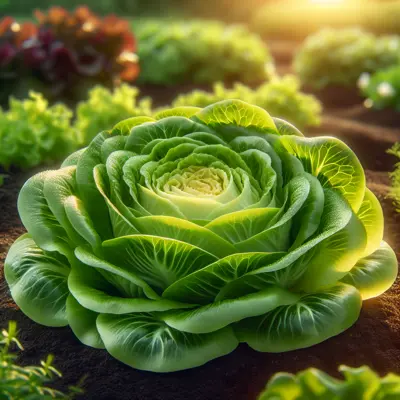
A classic butterhead lettuce prized for its tender, buttery leaves and compact rosette formation. This reliable variety produces beautiful heads with soft, pale green outer leaves and a creamy yellow heart that's perfect for elegant salads. Boston lettuce is incredibly versatile and forgiving, making it an excellent choice for gardeners of all skill levels.
Harvest
55-65d
Days to harvest
Sun
Full sun to partial shade
Zones
2–11
USDA hardiness
Height
6-12 inches
Planting Timeline
Showing dates for Butterhead Boston in USDA Zone 7
All Zone 7 lettuce →Zone Map
Click a state to update dates
Butterhead Boston · Zones 2–11
Growing Details
Succession Planting
Direct sow Boston butterhead every 14-18 days starting around March 1 and keep going through late April. Once daytime highs are consistently above 80°F, lettuce bolts quickly and turns bitter — stop sowing for summer and pick back up in late August for a fall run, sowing every 2 weeks through mid-September. Germination gets spotty above 75°F soil temperature, so sow a little thicker than the packet says and thin to 10 inches once seedlings are established.
Days to harvest is 55-65, so a mid-March sowing puts first heads ready in late May before heat shuts things down. A late-August sowing comes in around late October — well ahead of the first hard frost in most areas, which gives you a clean harvest window without racing the calendar.
Complete Growing Guide
Boston lettuce can be started either indoors or direct-seeded into the garden, depending on your preference and climate. For indoor sowing, start seeds 4-6 weeks before your last spring frost date, planting them in seed-starting mix and keeping soil consistently moist until germination occurs in 7-10 days. If you prefer direct sowing, wait until soil temperatures reach at least 40°F and can be sown 2-3 weeks before the last frost, as Boston lettuce tolerates cool soil well. In warmer climates, you can also succession plant every two weeks throughout spring and again in late summer for a fall harvest, taking advantage of this variety's quick 55-65 day maturity.
Prepare your planting area with rich, well-draining soil amended with compost or aged manure, as Boston lettuce prefers consistent moisture and nutrient availability. Space seedlings or thin direct-sown seeds to 8-10 inches apart to allow the characteristic rosette to develop fully. Sow seeds just barely below the soil surface, pressing them gently into moist soil but not covering them deeply, as lettuce seeds need light to germinate properly. This spacing is critical for Boston lettuce specifically, as crowding prevents the formation of those tender, compact heads the variety is known for.
Water consistently and evenly throughout the growing season, providing about one inch per week through rainfall or irrigation. Boston lettuce's tender leaves make it particularly susceptible to moisture stress, which can trigger tipburn—a condition where brown spots develop on leaf edges. This is one of the most common problems gardeners encounter with Boston lettuce, and it's primarily caused by inconsistent watering rather than a true disease. Maintain steady soil moisture and avoid letting plants dry out, especially as heads begin forming in the final weeks before harvest. Feed lightly with a balanced fertilizer every 2-3 weeks, or incorporate slow-release fertilizer at planting time, as excessive nitrogen can reduce the delicate flavor.
Watch closely for aphids and flea beetles, which are particularly attracted to tender young growth on Boston lettuce. Check the undersides of leaves regularly and remove affected leaves or spray with neem oil at the first sign of infestation. Slugs and snails pose a significant threat in moist conditions, so consider using copper tape around beds or hand-picking in the evenings. Downy mildew can develop in cool, humid weather; ensure good air circulation and avoid overhead watering to minimize disease pressure.
The mistake most gardeners make with Boston lettuce is harvesting too late. This variety reaches peak tenderness at 55-65 days, and waiting much longer results in bolting and bitter, tough leaves. Harvest heads in the morning when they're crisp, either by cutting the entire plant at soil level or by removing outer leaves and allowing the heart to continue developing.
Harvesting
Harvest Butterhead Boston when the head feels firm and slightly springy when gently squeezed, typically reaching 6 to 8 inches in diameter with fully developed pale green outer leaves surrounding a creamy yellow center. The entire head should feel dense and compact rather than loose or hollow. For continuous harvests, pick outer leaves individually once the plant is established, allowing the center to keep producing, or cut the entire head at soil level for a single, heavier yield. Timing matters most in warm weather—harvest in early morning when temperatures are cool and leaves are crisp and hydrated, which maximizes tenderness and shelf life while minimizing the risk of bolting.
Tiny seeds with a dandelion-like tuft (pappus) to aid in wind dispersal.
Color: Brown/Copper. Type: Achene. Length: < 1 inch. Width: < 1 inch.
Harvest time: Summer
Edibility: Leaves can be used raw or cooked in salads, sandwiches, and other dishes. Head lettuce can be stored for 2-3 weeks while leaf and butterhead store for 1-2 weeks.
Storage & Preservation
Store unwashed Butterhead Boston heads in perforated plastic bags in your refrigerator's crisper drawer at 32-35°F with high humidity. Properly stored heads last 7-10 days, significantly longer than most lettuce varieties due to their dense structure. Wash leaves only when ready to use, as excess moisture accelerates decay.
For preservation, Boston lettuce doesn't freeze or dry well due to its high water content. Instead, make lettuce soup by wilting leaves in broth, then freezing the soup. You can also ferment outer leaves into kimchi-style preparations or preserve the entire harvest by making lettuce wraps and blanching briefly before freezing. Dehydrating at low temperatures (95°F) creates crispy lettuce chips, though the yield is minimal.
History & Origin
Boston lettuce emerged from 19th-century European butterhead breeding traditions, particularly within French and Dutch horticultural practices that favored tender, compact heading varieties. While the precise origin of the 'Boston' cultivar itself remains somewhat undocumented, the variety became widely commercialized in North America during the late 1800s, establishing itself as a standard market type by the early 20th century. The name reflects its association with Boston's prominent role in American seed commerce and vegetable distribution during that era. The cultivar represents a refinement of earlier European butterhead lines, selected for improved reliability, uniform head formation, and the pale interior coloring prized by American markets. Exact breeder attribution is unclear, though multiple seed companies contributed to its development and stabilization.
Origin: Mediterranean to Siberia
Advantages
- +Beautiful pale green outer leaves and creamy yellow heart look stunning in salads
- +Tender, buttery texture and mild sweet flavor appeal to most palates universally
- +Matures quickly in 55-65 days making it ideal for succession planting
- +Forgiving and reliable variety suitable for beginner and experienced gardeners
- +Compact rosette formation makes it space-efficient for small garden plots
Considerations
- -Highly susceptible to downy mildew in cool, wet growing conditions
- -Soft delicate leaves attract aphids, slugs, and snails causing significant damage
- -Prone to tipburn and bottom rot in inconsistent watering or humid environments
- -Lower overall yield compared to crisphead varieties despite attractive appearance
Companion Plants
Radishes are the most practically useful companion for Boston butterhead. Direct-sow a few around your lettuce starts and they'll be up in 5-7 days, breaking the top inch of soil crust and loosening the path for shallower lettuce roots. They also draw flea beetles — those small, jumping beetles that chew tiny shotgun-hole patterns in lettuce leaves — onto themselves first. Pull the radishes at 25-30 days and you've freed up space right as the butterhead heads start to form.
Chives and garlic both work by masking the scent of Lactuca sativa from aphids, which are the most consistent pest pressure on this crop. Aphids colonize the undersides of leaves and can number in the hundreds before you notice the curling; anything that makes the host harder to locate is worth having at the bed edge. Chives top out at 12-18 inches and won't shade a low-growing butterhead, which makes them a cleaner fit than garlic if space is tight. Tagetes patula (French marigold) pulls double duty — it repels aphids and draws parasitic wasps that lay eggs in the ones that show up anyway.
Broccoli is the companion to avoid. It competes for calcium and nitrogen in the same 6-8 inch root zone lettuce uses, and you'll see the results as smaller, looser heads on the lettuce side of the bed. Sunflowers are a different problem: once they clear 3 feet, they shade butterhead enough to cause tip elongation and early bolting, and their roots release allelopathic compounds that can suppress germination in nearby low-growing crops.
Plant Together
Chives
Repels aphids and improves lettuce flavor while providing natural pest control
Radishes
Break up soil for lettuce roots and mature quickly without competing for space
Carrots
Deep roots don't compete with shallow lettuce roots and help aerate soil
Marigolds
Repel nematodes and aphids while attracting beneficial insects
Spinach
Similar growing requirements and can be interplanted for efficient space use
Garlic
Natural pest deterrent that repels aphids and other soft-bodied insects
Nasturtiums
Act as trap crop for aphids and flea beetles, protecting lettuce
Dill
Attracts beneficial insects like ladybugs and lacewings that control lettuce pests
Parsley
Attracts beneficial insects and has similar water requirements without competition
Keep Apart
Broccoli
Heavy feeder that competes for nutrients and can shade out lettuce
Sunflowers
Allelopathic compounds inhibit lettuce growth and tall plants create excessive shade
Nutrition Facts
Per 100g serving. % Daily Value based on 2,000 calorie diet. Source: USDA FoodData Central (FDC #168429)
Pests & Disease Resistance
Resistance
Moderate resistance to downy mildew
Common Pests
Aphids, slugs, snails, cutworms, flea beetles
Diseases
Downy mildew, lettuce drop, bottom rot, tipburn
Troubleshooting Butterhead Boston
What you'll see, why it happens, and what to do about it.
Seedlings collapse at soil level within the first 1-2 weeks after planting — stems look pinched or water-soaked at the base
Likely Causes
- Damping off (Pythium spp. or Rhizoctonia solani) — soil-borne fungi that thrive in cold, waterlogged conditions
- Overwatering or poor drainage in the seed bed
What to Do
- 1.Pull the dead seedlings and check for fuzzy white mold at the soil surface — if you see it, you're dealing with a fungal issue, not insects
- 2.Let the bed surface dry slightly between waterings; lettuce wants 1 inch per week but not standing water
- 3.Next planting, start with fresh potting mix or a well-drained raised bed, and avoid reusing soil from a bed that had damping off the previous season
Gray-purple fuzzy coating on the undersides of outer leaves, with pale yellow patches on the upper surface
Likely Causes
- Downy mildew (Bremia lactucae) — spreads fast in cool, humid weather, especially when nights dip below 60°F and leaves stay wet overnight
- Dense planting that traps moisture around the canopy
What to Do
- 1.Strip affected leaves immediately and trash them — don't compost
- 2.Water at the base of the plant in the morning so foliage dries before nightfall
- 3.Thin to at least 10 inches apart if you direct-sowed; cutting off airflow is what lets Bremia lactucae take hold
Ragged holes in leaves overnight, with no insects visible during the day — sometimes a silvery slime trail on the soil nearby
Likely Causes
- Slugs or snails — they feed after dark and hide under mulch or debris during the day
- Dense organic mulch laid directly against the crown, which gives slugs a cool, damp refuge within inches of your plants
What to Do
- 1.Go out after dark with a flashlight and handpick — tedious, but it clears a surprising number in one pass
- 2.Pull mulch back 2-3 inches from the base of each plant to eliminate that shelter zone
- 3.Set a shallow dish of beer flush with the soil surface; slugs are drawn to it and drown — replace every 2-3 days, or after rain
Frequently Asked Questions
How long does Butterhead Boston lettuce take to grow?▼
Can you grow Butterhead Boston lettuce in containers?▼
Is Butterhead Boston lettuce good for beginners?▼
What does Butterhead Boston lettuce taste like?▼
When should I plant Butterhead Boston lettuce?▼
Boston vs Bibb lettuce - what's the difference?▼
Zone-by-Zone Planting Calendar
| Zone | Indoor Start | Transplant | Direct Sow | Harvest |
|---|---|---|---|---|
| Zone 1 | — | — | June – July | August – September |
| Zone 2 | — | — | May – July | July – September |
| Zone 11 | — | — | January – February | February – December |
| Zone 12 | — | — | January – February | February – December |
| Zone 13 | — | — | January – February | February – December |
| Zone 3 | — | — | May – June | July – October |
| Zone 4 | — | — | April – June | June – October |
| Zone 5 | — | — | April – May | June – November |
| Zone 6 | — | — | April – May | June – November |
| Zone 7 | — | — | March – May | May – November |
| Zone 8 | — | — | March – April | May – December |
| Zone 9 | — | — | February – March | April – December |
| Zone 10 | — | — | January – March | March – December |
Growing Guides from Wind River Greens
Sources & References
External authority sources used in compiling this guide.
See the Methodology page for how this data is sourced, what's AI-assisted, and known limitations.