Sweet Basil
Ocimum basilicum
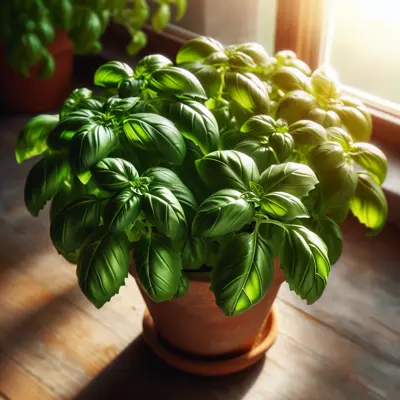
Sweet Basil is a tender annual herb prized for its vibrant green leaves and distinctive aromatic flavor. This heirloom variety reaches harvest maturity in approximately 74 days, producing compact, bushy plants ideal for containers or garden beds. Its sweet, clove-forward taste with subtle anise undertones makes it the quintessential choice for Italian cuisine, fresh pestos, and culinary applications. Unlike spicier basil varieties, Sweet Basil's delicate, complex flavor profile and ease of cultivation have made it a kitchen garden staple for centuries.
Harvest
74d
Days to harvest
Sun
Full sun to partial shade
Zones
10–10
USDA hardiness
Height
0-3 feet
Planting Timeline
Showing dates for Sweet Basil in USDA Zone 10
All Zone 10 herb →Zone Map
Click a state to update dates
Sweet Basil · Zones 10–10
Growing Details
Succession Planting
In zone 10, the window runs long — transplant from February through April and you can harvest through December — but individual plants turn bitter and woody once daytime temps push past 85°F or they break into flower. Start a fresh tray of seeds indoors every 3–4 weeks from January onward and stagger your transplants rather than setting everything out at once. Pinch flower spikes the moment you see them to buy each plant another 2–3 weeks of leaf production, but a plant that's already bolted hard won't come back clean — that's what the next tray is for.
Complete Growing Guide
Sweet Basil thrives when started indoors 6-8 weeks before your last spring frost date, giving you sturdy transplants ready to move outside once soil temperatures consistently reach 70°F. Direct sowing is also an option, but indoor starting allows you to enjoy these beautiful dark leaves earlier in the season. Wait until all danger of frost has passed before transplanting, as this heat-loving herb will sulk or die if exposed to cold temperatures.
Space Sweet Basil plants 12 inches apart to allow adequate air circulation around the distinctive large, turned-down foliage. Sow seeds just barely covered—they need light to germinate, so a thin dusting of soil is sufficient. Prepare your garden bed or containers with rich, well-draining soil amended with compost. This variety grows 16-20 inches tall, so ensure it receives full sun for 6-8 hours daily to develop the intense purple flowers and dark coloration that make it so ornamental.
Water Sweet Basil consistently, keeping soil evenly moist but never waterlogged. During hot spells, you may need to water daily, especially in containers. Feed every 2-3 weeks with a balanced, water-soluble fertilizer to support continuous growth and flowering. As the season progresses, the nutrient demands increase, so don't skip feeding sessions if you want robust plants producing those stunning edible flowers throughout summer.
Sweet Basil's dark foliage makes it particularly susceptible to spider mites, which thrive in hot, dry conditions—check leaf undersides regularly and increase humidity if you notice fine webbing. Japanese beetles and slugs are also attracted to basil, so inspect plants early morning and evening. The large leaves that make this variety so striking also create ideal conditions for downy mildew and bacterial leaf spot, especially in humid climates. Ensure excellent air circulation, avoid overhead watering, and remove any spotted leaves immediately.
Pinch out flower buds regularly to extend the harvest season and encourage bushier growth, though you'll want to allow some flowering since the purple blooms and intensely flavored flowers are a key selling point of this cultivar. Succession plant every 2-3 weeks for continuous harvests through fall.
One critical mistake gardeners make with Sweet Basil is harvesting too aggressively early on. Resist the urge to strip leaves before the plant has developed sturdy stems and multiple branch points. Wait until the plant is 6-8 inches tall before beginning substantial harvests, which encourages bushiness rather than a weak, leggy specimen. Patience during establishment pays off with a more productive plant that rewards you with beautiful foliage and edible flowers all season long.
Harvesting
Harvest this dark purple basil when leaves reach their full 2-3 inch length and display the characteristic deep coloration, feeling firm and supple to the touch. Begin pinching off leaves from the top of the plant once it reaches 6-8 inches tall, removing flower buds as they form to encourage bushier foliage production. For continuous harvests throughout the 74-day season, pick regularly rather than stripping the plant bare, always leaving at least two leaf nodes on each stem to promote branching. The intense purple-black leaves intensify in flavor as they mature, so wait until mid-morning after dew dries but before heat peaks to harvest the most aromatic and flavorful leaves.
Edibility: Leaves and flowers in tea, as flavoring
Storage & Preservation
Fresh sweet basil leaves stay crisp for 7-10 days when stored properly. Keep unwashed stems in a glass of water at room temperature like cut flowers, covering leaves loosely with a plastic bag. Alternatively, wrap unwashed leaves in slightly damp paper towels and refrigerate in a perforated plastic bag – never store below 40°F as cold damage causes black spots.
For preservation, freezing maintains the best flavor. Blanch whole leaves in boiling water for 2 seconds, plunge into ice water, pat dry, and freeze in single layers. Make pesto and freeze in ice cube trays for convenient portions. Air-drying works but reduces potency – harvest before flowering, tie small bundles, and hang in a warm, dark, well-ventilated area for 2-4 weeks. Properly dried basil retains flavor for 6-12 months when stored in airtight containers.
History & Origin
Sweet basil (Ocimum basilicum) is the most widely cultivated basil variety worldwide and represents the classical European interpretation of the species, though the exact origins of this particular cultivar remain poorly documented. The variety likely emerged through centuries of selection and cultivation across Mediterranean regions, particularly Italy and France, where basil became a cornerstone of regional cuisines. Rather than being a formally bred modern cultivar with documented breeder information, sweet basil represents a heritage tradition refined through generations of gardeners and seed savers who selected plants for robust growth, sweet flavor, and culinary performance. Its prominence in commercial seed catalogs throughout the twentieth century solidified it as the standard culinary basil, though tracing its specific lineage to particular breeding programs or seed houses proves challenging due to the antiquity and widespread cultivation of the species.
Origin: Tropical Africa and Asia
Advantages
- +Stunning dark purple foliage creates visual appeal in gardens and dishes
- +Edible flowers with intense basil flavor offer versatile culinary and garnish uses
- +Sweet aromatic profile with clove and anise notes enhances diverse recipes
- +Ready to harvest in just 74 days from planting
- +Easy growing difficulty makes it ideal for beginner gardeners
Considerations
- -Vulnerable to multiple pests including aphids, spider mites, and Japanese beetles
- -Susceptible to serious fungal diseases like Fusarium wilt and downy mildew
- -Bacterial leaf spot can quickly damage foliage and reduce plant health
Companion Plants
Tomatoes and peppers are the practical pairing — basil fills the 12–18 inch gaps between transplants, and both crops want the same heat, the same 1 inch of water per week, and the same late-frost caution, so you're not managing two different schedules. Marigolds planted nearby attract aphids and spider mites away from your basil before they get established. Lettuce tucked close gets a bit of afternoon shade from the basil canopy, which matters in the Georgia piedmont once June hits and soil temps climb past 80°F. Rue and sage are the problem neighbors — both release allelopathic compounds that visibly stunt basil, and sage also pulls moisture from soil in the dryer, well-drained range that basil actually can't tolerate for long.
Plant Together
Tomatoes
Basil repels tomato hornworms and aphids, may improve tomato flavor
Peppers
Basil deters aphids and spider mites that commonly affect peppers
Oregano
Both herbs have similar growing requirements and repel common garden pests
Lettuce
Basil provides light shade for lettuce and repels aphids that damage leafy greens
Asparagus
Basil repels asparagus beetles and doesn't compete for root space
Marigolds
Both plants repel aphids and whiteflies, creating a stronger pest deterrent
Parsley
Similar water and nutrient needs, basil helps repel pests that affect parsley
Carrots
Basil improves soil health and repels carrot flies without root competition
Keep Apart
Rue
Allelopathic properties inhibit basil growth and development
Sage
Competes for similar nutrients and may stunt basil growth
Thyme
Can inhibit basil germination and early growth through allelopathy
Nutrition Facts
Per 100g serving. % Daily Value based on 2,000 calorie diet. Source: USDA FoodData Central (FDC #172232)
Pests & Disease Resistance
Resistance
Moderate resistance to bacterial leaf spot
Common Pests
Aphids, spider mites, Japanese beetles, slugs
Diseases
Fusarium wilt, bacterial leaf spot, downy mildew
Troubleshooting Sweet Basil
What you'll see, why it happens, and what to do about it.
Leaves develop yellow patches on top, with a gray-purple fuzzy coating on the undersides — plants look washed out and may collapse fast
Likely Causes
- Downy mildew (Peronospora belbahrii) — a water mold that spreads by airborne spores and thrives in humid, warm nights above 60°F
- Overhead irrigation or crowded spacing that keeps foliage wet for hours at a time
What to Do
- 1.Pull and trash affected plants immediately — downy mildew moves fast and there's no chemical fix that saves a badly infected plant
- 2.Switch to drip irrigation or water at the base early in the morning so leaves dry before nightfall
- 3.Next planting, space basil at least 12 inches apart and consider a downy mildew-resistant variety like 'Rutgers Devotion' or 'Amazel'
Plants wilt suddenly despite moist soil, then the stem base turns brown and soft — whole plant collapses within a few days
Likely Causes
- Fusarium wilt (Fusarium oxysporum f. sp. basilici) — a soilborne fungus that persists in the soil for years
- Replanting basil in the same bed where Fusarium wilt has appeared before
What to Do
- 1.Remove the entire plant including as much root as you can get, and bag it for the trash — don't compost it
- 2.Rotate basil out of that bed for at least 3 seasons; Fusarium survives in soil indefinitely once established
- 3.Start seeds in fresh sterile potting mix rather than setting transplants into a suspect bed
Frequently Asked Questions
How long does sweet basil take to grow from seed?▼
Can you grow sweet basil in containers?▼
Is sweet basil good for beginners?▼
What does sweet basil taste like compared to other basils?▼
When should I plant sweet basil seeds?▼
Why does my sweet basil keep flowering?▼
Zone-by-Zone Planting Calendar
| Zone | Indoor Start | Transplant | Direct Sow | Harvest |
|---|---|---|---|---|
| Zone 10 | January – January | February – April | — | April – December |
Growing Guides from Wind River Greens
Sources & References
External authority sources used in compiling this guide.
See the Methodology page for how this data is sourced, what's AI-assisted, and known limitations.