Mammoth Melting Sugar
Pisum sativum var. saccharatum 'Mammoth Melting Sugar'
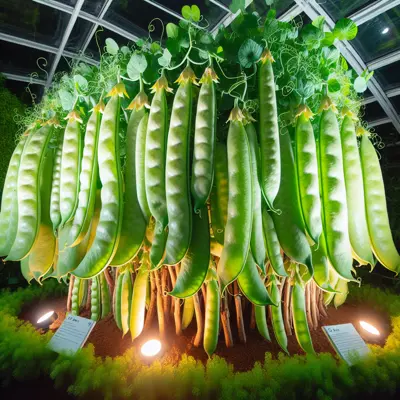
An impressive heirloom snow pea variety dating back to the 1880s, producing enormous 4-5 inch edible pods on towering vines. The sweet, crisp pods literally melt in your mouth and are perfect for stir-fries and fresh eating. This vigorous climber is a conversation starter in any garden with its exceptional size and productivity.
Harvest
70-80d
Days to harvest
Sun
Full sun to partial shade
Zones
2–11
USDA hardiness
Height
12-18 inches
Planting Timeline
Showing dates for Mammoth Melting Sugar in USDA Zone 7
All Zone 7 pea →Zone Map
Click a state to update dates
Mammoth Melting Sugar · Zones 2–11
Growing Details
Succession Planting
Direct sow Mammoth Melting Sugar every 14 to 16 days starting around March 1 in zone 7, and cut off your last sowing by April 15 — once daytime highs lock in above 75°F, pod quality drops fast and Erysiphe pisi moves in hard. That cadence gives you two or three staggered plantings for a longer harvest window through June without running into the worst of summer.
For a fall crop, start sowing again around August 20 to September 1, which puts harvest around late October into November ahead of a killing frost. Fall peas tend to run cleaner — less disease pressure, better pod fill — so if you can only commit to one planting window, that's the one worth protecting.
Complete Growing Guide
Start your Mammoth Melting Sugar peas by preparing a site with morning sun and afternoon protection in warmer zones (7-9), as these tall vines can struggle in intense heat. Work compost into your planting area to a depth of 8 inches, ensuring excellent drainage since waterlogged soil leads to root rot in this variety.
Direct sow seeds 4-6 weeks before your last frost date, planting them 2 inches deep and 3-4 inches apart. The large seeds germinate reliably in cool soil (45-65°F), so resist the urge to start indoors unless you're in zone 3-4 with extremely short seasons. If starting indoors, use biodegradable pots to avoid root disturbance during transplanting.
Install your support system before planting – these vigorous climbers easily reach 6-8 feet and produce heavy pods that can topple inadequate structures. Use sturdy 8-foot posts with horizontal wire or netting, or construct an A-frame trellis. Flimsy tomato cages won't suffice for this variety's weight and height.
Fertilize lightly at planting with a balanced organic fertilizer, then switch to low-nitrogen, high-phosphorus feeding once flowering begins. Over-fertilizing with nitrogen creates lush foliage at the expense of pod production – a common mistake with this naturally vigorous variety.
Train young vines gently onto supports when they're 6 inches tall, checking weekly as they grow rapidly. The tendrils grab readily, but initial guidance prevents wind damage to tender shoots.
Avoid overhead watering once plants are established to prevent powdery mildew, which this heirloom is particularly susceptible to in humid conditions. Instead, use soaker hoses or drip irrigation at soil level, maintaining consistent moisture without waterlogging.
Maximize your harvest by picking pods daily once production begins – this signals the plant to keep flowering rather than putting energy into seed development. In hot climates, provide afternoon shade cloth to extend the harvest season, as Mammoth Melting Sugar stops producing when temperatures consistently exceed 80°F.
Harvesting
Harvest Mammoth Melting Sugar pods when they reach 3-4 inches long and still feel plump but flexible – the peas inside should be barely visible as small bumps. The pods should snap crisply when bent, not bend limply, indicating peak tenderness and sweetness.
Perform the 'snap test' by gently bending a pod near the stem end; perfect pods break with an audible snap and show bright green, moist flesh inside. Overmature pods become tough and stringy, losing their signature 'melting' texture even when cooked.
Harvest in early morning when pods are crisp and full of moisture, avoiding the heat of midday when they become limp. Use scissors or pinch stems with your thumbnail rather than pulling, which can damage the productive vines.
Pick continuously every 2-3 days during peak season – these prolific producers can go from perfect to overmature quickly in warm weather. Regular harvesting extends your harvest window from the typical 2-3 weeks to potentially 4-5 weeks, especially in cooler climates where the plants don't stress as quickly.
Storage & Preservation
Store freshly harvested Mammoth Melting Sugar pods in perforated plastic bags in your refrigerator's crisper drawer, where they'll maintain quality for 5-7 days. Unlike shelling peas, snow peas lose sweetness and develop tough pods quickly at room temperature.
For freezing, blanch whole pods in boiling water for 90 seconds, then immediately plunge into ice water. This preserves their signature crisp-tender texture better than freezing raw. Properly blanched pods maintain quality for 8-10 months frozen.
Dehydrating works well for this meaty variety – slice pods diagonally and dry at 125°F until crisp. The dried pieces rehydrate beautifully in soups and stir-fries, concentrating the sweet pea flavor.
Pickling young pods creates an excellent condiment; their substantial texture holds up well to vinegar brines. Use a light rice vinegar brine to preserve their delicate flavor rather than harsh white vinegar.
History & Origin
Mammoth Melting Sugar traces its lineage to European snow pea varieties brought to American gardens in the mid-1800s, with specific documentation dating this selection to the 1880s. The variety emerged during the Victorian era's fascination with 'mammoth' vegetables, when seed companies competed to develop the largest versions of popular crops.
This heirloom represents selective breeding from earlier 'Melting Sugar' types, chosen specifically for exceptional pod size and vine vigor. The 'melting' designation refers to the pods' tender, stringless quality when cooked – a prized characteristic that distinguished superior snow peas from tougher, fibrous varieties common in that era.
Unlike many modern snow pea hybrids bred for uniform machine harvesting, Mammoth Melting Sugar was developed for home gardens where size and flavor trumped shipping durability. Its preservation through seed-saving networks speaks to gardeners' appreciation for its exceptional eating quality despite moderate disease resistance.
The variety gained renewed popularity during the 1970s heirloom revival movement and remains a favorite among gardeners seeking authentic Victorian-era vegetables with documented provenance.
Advantages
- +Produces exceptionally large 4-5 inch pods that dwarf most modern snow pea varieties
- +Truly stringless pods maintain tender texture even when slightly overmature
- +Vigorous 6-8 foot vines deliver impressive yields in cool weather conditions
- +Sweet, crisp flavor intensifies when lightly cooked rather than diminishing
- +Thick, meaty pod walls hold up beautifully in stir-fries without becoming mushy
- +Extended harvest window of 4-5 weeks with consistent picking in optimal conditions
- +Heirloom genetics allow for reliable seed saving and variety preservation
Considerations
- -Highly susceptible to powdery mildew in humid conditions or with overhead watering
- -Requires substantial support structures due to exceptional height and pod weight
- -Heat-sensitive variety stops production when temperatures consistently exceed 80°F
- -Limited disease resistance compared to modern hybrid snow pea varieties
- -Pods become tough and inedible quickly if harvest timing is missed
Companion Plants
Carrots and radishes are the most practical companions here — their narrow roots occupy a different soil depth than pea roots, so there's no real competition for water and nutrients, and radishes pulled at 25–30 days can actually loosen the soil around young pea plants as a side benefit. Around here in the southeast, I'll often tuck lettuce or spinach under the pea trellis since all three want the same cool March-to-May window, and the peas throw just enough afternoon shade to buy the greens a few extra days before they bolt. Onions and garlic are worth keeping at least 3 feet away — their root exudates are thought to suppress pea germination and early growth, and in my beds the peas planted closest to an allium row consistently lag behind the rest by a week or more at establishment.
Plant Together
Carrots
Peas improve soil nitrogen for carrots, while carrots don't compete for space above ground
Radishes
Radishes break up soil for pea roots and mature quickly before peas need full space
Lettuce
Benefits from nitrogen fixed by peas and provides living mulch to keep soil cool
Spinach
Thrives in nitrogen-rich soil created by peas and has similar growing conditions
Marigolds
Repel aphids and other pests that commonly attack pea plants
Mint
Deters ants and aphids while attracting beneficial insects
Chives
Repel aphids and improve pea growth through natural pest deterrence
Nasturtiums
Act as trap crops for aphids and cucumber beetles while attracting beneficial predators
Keep Apart
Onions
Can inhibit pea growth and nitrogen fixation through root competition
Garlic
May stunt pea growth and interfere with beneficial rhizobia bacteria
Gladiolus
Competes heavily for nutrients and can harbor thrips that damage pea pods
Nutrition Facts
Per 100g serving. % Daily Value based on 2,000 calorie diet. Source: USDA FoodData Central (FDC #170419)
Pests & Disease Resistance
Resistance
Limited disease resistance typical of heirlooms. Susceptible to powdery mildew in humid conditions.
Common Pests
Aphids, pea moths, thrips, slugs
Diseases
Powdery mildew, downy mildew, root rot, pea enation mosaic virus
Troubleshooting Mammoth Melting Sugar
What you'll see, why it happens, and what to do about it.
White powdery coating on upper leaf surfaces, usually showing up as plants approach 60 days and temperatures start climbing
Likely Causes
- Powdery mildew (Erysiphe pisi) — a fungal disease that spreads via airspores on warm days with cool nights
- Crowded rows blocking air movement between plants
What to Do
- 1.Increase row spacing to at least 4 inches and pull any weeds choking the base of plants so air can move through
- 2.Apply a dilute baking soda spray (1 tablespoon per gallon of water) at first sign — it won't cure infected tissue but slows spread to healthy leaves
- 3.Late-season mildew on peas in zone 7 is mostly a timing problem; plan your next sowing to finish harvest before daytime highs lock in above 75°F
Mosaic-patterned yellowing and puckering on new leaves, pods showing pale streaks or failing to fill out
Likely Causes
- Pea enation mosaic virus (PEMV) — transmitted by aphids, especially green peach aphid (Myzus persicae)
- High aphid pressure from nearby weedy areas or unchecked colonies on nearby brassicas
What to Do
- 1.Pull and bag infected plants immediately — there's no cure and leaving them in the ground feeds the virus reservoir
- 2.Knock aphid colonies off healthy neighboring plants with a hard water spray, or apply insecticidal soap to the undersides of leaves
- 3.Use row cover from germination through flowering to block aphid access; remove it only when you need to check pods
Plants wilting and going yellow from the base up, with dark brown or water-soaked rot at or just below the soil line
Likely Causes
- Root rot complex — most commonly Pythium spp. or Fusarium spp. — triggered by waterlogged, poorly drained soil
- Planting into cold, wet soil below 45°F, which stresses germinating seed before roots can establish
What to Do
- 1.Pull affected plants; they won't recover once the crown is rotted
- 2.Before the next planting, work compost into heavy clay beds and confirm rows drain freely — raising beds even 4 inches above grade makes a real difference
- 3.Hold off on direct sowing until soil temperature is consistently at or above 45°F, and don't irrigate again until the top inch dries out after germination
Frequently Asked Questions
How long does Mammoth Melting Sugar take to grow?▼
Can you grow Mammoth Melting Sugar in containers?▼
When should I plant Mammoth Melting Sugar peas?▼
What does Mammoth Melting Sugar taste like?▼
Is Mammoth Melting Sugar good for beginners?▼
How tall do Mammoth Melting Sugar pea plants get?▼
Zone-by-Zone Planting Calendar
| Zone | Indoor Start | Transplant | Direct Sow | Harvest |
|---|---|---|---|---|
| Zone 3 | — | — | May – June | July – October |
| Zone 4 | — | — | April – June | July – October |
| Zone 5 | — | — | April – May | June – November |
| Zone 6 | — | — | April – May | June – November |
| Zone 7 | — | — | March – May | June – November |
| Zone 8 | — | — | March – April | May – December |
| Zone 9 | — | — | February – March | April – December |
| Zone 10 | — | — | January – March | April – December |
| Zone 1 | — | — | June – July | August – September |
| Zone 2 | — | — | May – July | August – September |
| Zone 11 | — | — | January – February | March – December |
| Zone 12 | — | — | January – February | March – December |
| Zone 13 | — | — | January – February | March – December |
Growing Guides from Wind River Greens
Sources & References
External authority sources used in compiling this guide.
See the Methodology page for how this data is sourced, what's AI-assisted, and known limitations.