Sweet Annie
Artemisia annua
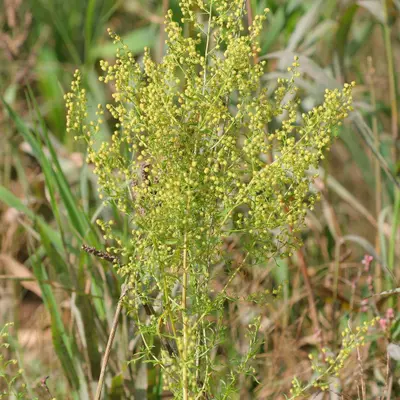
Tall plants with fern-like dark green foliage dotted with tiny cream-yellow colored flowers. Use foliage for wreaths and as filler for mixed bouquets. Also known as sweet sagewort, sweet wormwood, and Chinese wormwood.
Harvest
120d
Days to harvest
Sun
Full sun to partial shade
Zones
1–11
USDA hardiness
Height
1-4 feet
Planting Timeline
Showing dates for Sweet Annie in USDA Zone 7
All Zone 7 herb →Zone Map
Click a state to update dates
Sweet Annie · Zones 1–11
Growing Details
Complete Growing Guide
Tall plants with fern-like dark green foliage dotted with tiny cream-yellow colored flowers. Use foliage for wreaths and as filler for mixed bouquets. Also known as sweet sagewort, sweet wormwood, and Chinese wormwood. According to Johnny's Selected Seeds, Sweet Annie is 120 days to maturity, annual, open pollinated. Notable features: Organic Seeds, Plants, and Supplies, Use for Cut Flowers and Bouquets, Fragrant, Ideal for Drying and Crafts.
Light: Full sun (6 or more hours of direct sunlight a day), Partial Shade (Direct sunlight only part of the day, 2-6 hours). Soil: Loam (Silt), Sand, Shallow Rocky. Soil pH: Acid (<6.0), Alkaline (>8.0), Neutral (6.0-8.0). Drainage: Occasionally Dry, Very Dry. Height: 1 ft. 0 in. - 4 ft. 0 in. Spread: 1 ft. 0 in. - 6 ft. 0 in. Spacing: 12 inches-3 feet. Growth rate: Medium. Maintenance: Medium. Propagation: Division. Regions: Coastal, Mountains, Piedmont.
Harvesting
Sweet Annie reaches harvest at 120 days from sowing per Johnny's Selected Seeds. As an annual, harvest continues until frost ends the season.
Bloom time: Summer
Storage & Preservation
Store freshly harvested Sweet Annie stems in a cool, dark place with good air circulation, ideally between 50–60°F and 40–50% humidity. Keep them loosely bundled to prevent mold. Fresh material will remain usable for about one to two weeks if kept dry.
Drying is the preferred preservation method for this herb. Hang bundles upside down in a well-ventilated area away from direct sunlight, or lay stems on screens. Dried Sweet Annie stores exceptionally well in airtight containers kept away from light and moisture—expect viable storage for one to two years. Freezing works but diminishes the herb's potency; if freezing, chop and store in freezer bags with minimal air.
Sweet Annie's volatile oils concentrate during the drying process, so dried material is actually more potent than fresh for medicinal applications. Harvest just as flowers begin to open for maximum artemisinin content.
History & Origin
Sweet Annie is open-pollinated, meaning seed saved from healthy plants will produce true-to-type offspring. Listed in the Johnny's Selected Seeds catalog.
Origin: Europe, Subtropical Northern Hemisphere & S. America
Advantages
- +Attractive fern-like foliage works beautifully in wreaths and floral arrangements
- +Tiny cream-yellow flowers provide delicate texture for mixed bouquets
- +Reaches full maturity in 120 days with relatively easy cultivation
- +Pleasant aromatic foliage adds value for dried herbal crafts
Considerations
- -Tall plants require staking or support to prevent lodging damage
- -Tends to self-seed prolifically, potentially becoming weedy in gardens
- -Prefers well-draining soil and struggles in poorly drained conditions
Companion Plants
Aromatic companions are the strongest pairing here. Marigolds and lavender planted within 18 inches reinforce a scent barrier that confuses aphids and whiteflies — the mechanism is olfactory disruption from overlapping volatile compounds, not garden mythology. Roses get a more specific benefit: Sweet Annie's artemisinin and related terpenes appear to inhibit fungal spore germination on nearby foliage. That pairs well with what NC State Extension recommends for black spot management anyway — improving air circulation and reducing leaf wetness — so Sweet Annie does some of the chemical work while good spacing handles the rest. Tomatoes and cabbage gain pest-confusion advantages through the same interplanting logic NC State's vegetable IPM guidance describes: mixing plant families breaks up blocks of pest-preferred crops and slows early damage from spreading across a whole bed.
Lettuce, spinach, and peas don't do well close by. Artemisia species are documented allelopathic plants — root exudates and decomposing leaf litter release compounds that suppress germination and stunt nearby cool-season crops. Lettuce and spinach are particularly sensitive. Keep at least 24 inches of buffer, or plant them at opposite ends of the garden entirely.
Plant Together
Tomatoes
Sweet Annie repels hornworms and other tomato pests with its strong artemisia scent
Cabbage
Deters cabbage moths, flea beetles, and other brassica pests
Carrots
Repels carrot flies and root maggots while not competing for nutrients
Roses
Natural pest deterrent that helps repel aphids and Japanese beetles
Beans
Protects against Mexican bean beetles and does not interfere with nitrogen fixation
Marigolds
Complementary pest control creating a strong barrier against nematodes and aphids
Lavender
Similar growing conditions and combined aromatic oils enhance pest-repelling properties
Sage
Compatible aromatic herb that helps deter cabbage loopers and carrot flies
Keep Apart
Lettuce
Sweet Annie's allelopathic compounds can stunt lettuce growth and cause bitter taste
Spinach
Artemisia oils inhibit seed germination and slow growth of leafy greens
Peas
Strong scent and root exudates can interfere with pea plant development and pod formation
Nutrition Facts
Per 100g serving. % Daily Value based on 2,000 calorie diet. Source: USDA FoodData Central (FDC #172232)
Troubleshooting Sweet Annie
What you'll see, why it happens, and what to do about it.
Seedlings collapse at soil level within the first 2 weeks after germination, stems look pinched or blackened at the base
Likely Causes
- Damping off — typically Pythium or Rhizoctonia species — triggered by overwatering and poor air circulation around seedlings
- Starting seeds in non-sterile mix that holds too much moisture
What to Do
- 1.Use a sterile seed-starting mix and make sure trays have drainage holes you're actually using
- 2.Run a small fan near seedlings for 20–30 minutes a day to keep surface moisture down
- 3.Water from the bottom (tray-soak) rather than overhead, and let the mix dry slightly between waterings
Plant stays under 12 inches tall and looks leggy or pale after transplanting, even in warm weather
Likely Causes
- Insufficient light — Sweet Annie planted in less than 4 hours of direct sun per day will stall and stretch
- Excess nitrogen at transplant, which NC State Extension's IPM guidance flags as producing soft growth that's more vulnerable to pest and structural problems
What to Do
- 1.Move to a full-sun spot; this plant wants 6+ hours and will size up quickly once it gets them
- 2.Skip nitrogen-heavy fertilizer for the first 4–6 weeks after transplant — Sweet Annie in decent soil doesn't need much pushing
- 3.If you're stuck with partial shade, expect a shorter plant (closer to 1–2 feet) and plan to harvest earlier, around day 90–100
Leaves develop a faint bronze or stippled look, undersides feel gritty or show fine webbing during dry spells
Likely Causes
- Spider mites (Tetranychus urticae) — they move fast on stressed plants in hot, dry conditions above 85°F
- Letting young plants go too long without water during establishment, dropping them into drought stress before roots are deep enough to compensate
What to Do
- 1.Blast the undersides of leaves with a hard stream of water for 3–4 consecutive days to knock the population down
- 2.If mites persist, apply insecticidal soap — coat the undersides thoroughly, repeat every 5–7 days for 2–3 applications
- 3.Once roots are established at 8–10 weeks, Sweet Annie handles dry spells without much help, but younger plants still need consistent moisture to stay out of trouble
Frequently Asked Questions
How long does Sweet Annie take to grow from seed to harvest?▼
Is Sweet Annie good for beginners?▼
Can you grow Sweet Annie in containers?▼
When should I plant Sweet Annie seeds?▼
What are the best uses for Sweet Annie foliage?▼
How much sun does Sweet Annie need to grow well?▼
Zone-by-Zone Planting Calendar
| Zone | Indoor Start | Transplant | Direct Sow | Harvest |
|---|---|---|---|---|
| Zone 3 | April – May | June – July | — | July – October |
| Zone 4 | March – April | June – July | — | July – October |
| Zone 5 | March – April | May – June | — | June – October |
| Zone 6 | March – April | May – June | — | June – November |
| Zone 7 | February – March | April – June | — | June – November |
| Zone 8 | February – March | April – May | — | May – December |
| Zone 9 | January – February | March – April | — | April – December |
| Zone 10 | January – January | February – April | — | April – December |
| Zone 1 | May – June | July – August | — | August – August |
| Zone 2 | April – May | June – August | — | August – September |
| Zone 11 | January – January | January – March | — | March – December |
Growing Guides from Wind River Greens
Sources & References
External authority sources used in compiling this guide.
- BreederJohnny's Selected Seeds
- USDAUSDA FoodData Central
See the Methodology page for how this data is sourced, what's AI-assisted, and known limitations.