Penny™ Rose Blotch
Viola cornuta
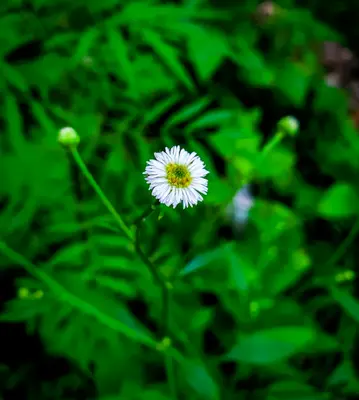
Wikimedia Commons via Viola cornuta
Compact, mounding habit with 1 1/2" rose-colored blooms. Adaptable to a wide range of growing conditions. Excellent in containers and garden beds. Cut flowers: Overwinters well in our unheated tunnel (Zone 5) from a fall planting, yielding 12-20" long stems under those conditions. Harvestable in mid-to-late spring. Dense plants produce abundant stems and blooms. Edible Flowers: Decorative and edible garnish for salads and desserts with slight wintergreen flavor. While a popular choice for brightening up salad mix, the flowers are also good for candying.Also known as Johnny jump-up, European field pansy, heart's ease, and hybrid violet.
Harvest
60-70d
Days to harvest
Sun
Full sun to partial shade
Zones
6–11
USDA hardiness
Height
6-9 inches
Planting Timeline
Showing dates for Penny™ Rose Blotch in USDA Zone 7
All Zone 7 flower →Zone Map
Click a state to update dates
Penny™ Rose Blotch · Zones 6–11
Growing Details
Succession Planting
Penny Rose Blotch violas aren't a cut-and-come-again crop — one planting blooms for an extended stretch rather than burning out in 3–4 weeks the way lettuce does. That said, staggering two or three sowings does extend your total window. In zone 7, start the first batch indoors in February, transplant out in April once nights reliably stay above 28°F, then start a second round in March to go out in May. That second planting often carries into early summer before heat shuts things down.
Once daytime highs push past 80–85°F consistently, violas go leggy and stop blooming — there's no managing around it. If you want fall color, start fresh seeds indoors in late July and move them out in September when temperatures drop back into the 60s. Violas handle light frost down to about 25°F, so a fall planting in zones 7–11 can run surprisingly late before you finally lose it.
Complete Growing Guide
Compact, mounding habit with 1 1/2" rose-colored blooms. Adaptable to a wide range of growing conditions. Excellent in containers and garden beds. Cut flowers: Overwinters well in our unheated tunnel (Zone 5) from a fall planting, yielding 12-20" long stems under those conditions. Harvestable in mid-to-late spring. Dense plants produce abundant stems and blooms. Edible Flowers: Decorative and edible garnish for salads and desserts with slight wintergreen flavor. While a popular choice for brightening up salad mix, the flowers are also good for candying.Also known as Johnny jump-up, European field pansy, heart's ease, and hybrid violet. According to Johnny's Selected Seeds, Penny™ Rose Blotch is 60 - 70 days to maturity, annual, hybrid (f1). Notable features: Grows Well in Containers, Edible Flowers.
Light: Full sun (6 or more hours of direct sunlight a day), Partial Shade (Direct sunlight only part of the day, 2-6 hours). Soil: Clay, Loam (Silt), Sand. Soil pH: Acid (<6.0), Neutral (6.0-8.0). Drainage: Good Drainage, Moist. Height: 0 ft. 6 in. - 0 ft. 9 in.. Spread: 0 ft. 6 in. - 1 ft. 0 in.. Spacing: Less than 12 inches. Growth rate: Rapid. Maintenance: Low, Medium. Propagation: Division, Seed. Regions: Coastal, Mountains, Piedmont.
Harvesting
Penny™ Rose Blotch reaches harvest at 60 - 70 days from sowing per Johnny's Selected Seeds. Expect 1 1/2" at peak. As an annual, harvest continues until frost ends the season.
The fruit is a three valves capsule. The seeds have an oily feel and are freely dispersed by ants.
Edibility: Flowers and leaves are edible.
Storage & Preservation
Fresh Penny Rose Blotch flowers should be stored in the refrigerator at 35-40°F with high humidity (90%+) for optimal longevity. Place stems in water or wrap stems in damp paper towels in a plastic bag. Fresh blooms last 3-5 days when refrigerated. For preservation, dry flowers by hanging bundles upside down in a well-ventilated area for 1-2 weeks—ideal for winter arrangements. Freeze flowers in ice cubes with water for decorative cocktails lasting several weeks. For culinary use, candy edible petals by brushing with egg white, coating with sugar, and drying at room temperature for 2-3 days; store in airtight containers for up to 2 months.
History & Origin
Penny™ Rose Blotch is an F1 hybrid developed through controlled cross-pollination. Listed in the Johnny's Selected Seeds catalog.
Origin: France and Spain
Advantages
- +Compact mounding habit fits perfectly in containers and small spaces
- +Rose-colored blooms provide elegant color for 60-70 days of growth
- +Produces abundant 12-20 inch stems ideal for cut flower harvesting
- +Overwinters reliably in Zone 5 unheated tunnels from fall planting
- +Edible flowers offer dual-purpose decorative and culinary applications
Considerations
- -1.5 inch blooms may appear small compared to larger pansy varieties
- -Requires consistent moisture to prevent wilting and maintain flower production
- -Susceptibility to powdery mildew in humid or poorly ventilated conditions
Companion Plants
Lavender, catmint, and yarrow are the companions worth placing closest to Penny Rose Blotch violas. All three attract parasitic wasps — the kind that lay eggs in the aphids and whiteflies that bother violas — without competing hard for water, since their roots run deeper and they're built for drier conditions than violas prefer. Marigolds, specifically Tagetes patula (French marigold), add another layer: their root exudates suppress soil nematodes, and the dense scent genuinely disrupts the host-finding behavior of some flying pests. Garlic and chives earn their place through sulfur compounds that deter aphids, and at 6–12 inches tall they won't shade a plant that tops out around the same height.
The companions to skip are mostly about physical reality rather than chemistry. Large trees and any established walnut create two separate problems: root competition for the shallow moisture violas need, and canopy shade that cuts below the 4-hour sun minimum this variety needs to set buds. Walnut specifically produces juglone — a compound that interferes with respiration in a wide range of annuals — and the root zone of a mature tree can extend well past its drip line. Brassicas are the less obvious entry on the harmful list. They're heavy nitrogen feeders that can strip a small bed fast enough to visibly stunt neighboring annuals; if you're working in a tight space, don't try to mix them with violas in the same 12-inch planting zone.
Plant Together
Lavender
Repels aphids, thrips, and other rose pests while attracting beneficial pollinators
Marigolds
Deters nematodes, aphids, and whiteflies through natural pest-repelling compounds
Garlic
Natural fungicide properties help prevent black spot and powdery mildew on roses
Chives
Repels aphids and Japanese beetles while improving soil health around roses
Catmint
Deters ants, aphids, and rodents while providing complementary purple-blue flowers
Alliums
Strong scent repels aphids, thrips, and other soft-bodied insects
Yarrow
Attracts beneficial insects and may help roses resist disease
Clematis
Provides vertical interest and shares similar growing conditions without competing
Keep Apart
Black Walnut Trees
Produces juglone toxin that inhibits rose growth and can cause wilting
Large Trees
Compete for nutrients and water while creating excessive shade that roses need
Brassicas
Heavy feeders that compete for nutrients and may attract pests harmful to roses
Troubleshooting Penny™ Rose Blotch
What you'll see, why it happens, and what to do about it.
Gray fuzzy coating on stems, leaves, or spent blooms — often worse after a stretch of cool, damp weather
Likely Causes
- Botrytis blight (Botrytis cinerea) — thrives in humid, still air and colonizes dead or dying tissue first
- Overcrowded spacing below 6 inches that cuts airflow between plants
What to Do
- 1.Deadhead aggressively — spent petals are Botrytis's favorite entry point; pull them off before they drop
- 2.Space plants at least 6–8 inches apart and thin if you've gone tighter than that
- 3.If infection is established, apply a copper-based fungicide per label and improve air circulation immediately
Irregular pale or white streaking on petals, flowers looking washed out or mottled rather than the expected rose-blotch pattern
Likely Causes
- Viola mosaic virus or pansy mosaic virus — both transmitted by aphids feeding on the plant
- Thrips feeding damage, which leaves similar silver-streaked scarring on petals
What to Do
- 1.Check the undersides of leaves for aphid colonies; knock them off with a firm stream of water or apply insecticidal soap
- 2.Check for thrips by tapping a flower over white paper — tiny, fast-moving slivers mean thrips; use spinosad if populations are high
- 3.Virus-infected plants won't recover — pull and discard them (not in compost) to protect nearby healthy plants
Small circular tan spots with darker purple-brown borders appearing on older leaves, scattered across the foliage
Likely Causes
- Cercospora leaf spot (Cercospora violae) — a fungal disease that spreads via water splash and overhead irrigation
- Extended periods of leaf wetness, especially with nighttime temperatures below 65°F
What to Do
- 1.Switch to drip irrigation or water at the base — keep foliage dry
- 2.Remove and bin (not compost) affected leaves as soon as you spot them
- 3.Rotate out of the same bed next season; Cercospora overwinters in plant debris
Plants suddenly wilting despite adequate soil moisture, stems appearing pinched or collapsed at the soil line
Likely Causes
- Crown rot or stem rot caused by Rhizoctonia solani or Pythium spp. — both favored by soggy, poorly drained soil
- Planting too deep so the crown stays wet against the soil surface
What to Do
- 1.Dig up the affected plant — if the crown is brown and mushy, it's done; discard it and don't replant violas in that same spot this season
- 2.Work in compost or coarse perlite before replanting and confirm the bed doesn't puddle after rain
- 3.Set crowns at or just above soil level, not buried, and keep mulch pulled back an inch from the stem
Frequently Asked Questions
How long do Penny Rose Blotch flowers last in a vase?▼
Can you grow Penny Rose Blotch in containers?▼
Is Penny Rose Blotch edible and safe to eat?▼
When should I plant Penny Rose Blotch for fall and spring blooms?▼
How much sunlight does Penny Rose Blotch need?▼
Is Penny Rose Blotch good for beginners?▼
Zone-by-Zone Planting Calendar
| Zone | Indoor Start | Transplant | Direct Sow | Harvest |
|---|---|---|---|---|
| Zone 3 | April – May | June – July | June – August | — |
| Zone 4 | March – April | June – June | June – July | — |
| Zone 5 | March – April | May – June | May – July | — |
| Zone 6 | March – April | May – June | May – July | — |
| Zone 7 | February – March | April – May | April – June | — |
| Zone 8 | February – March | April – May | April – June | — |
| Zone 9 | January – February | March – April | March – May | — |
| Zone 10 | January – January | February – March | February – April | — |
| Zone 1 | May – June | July – August | July – September | — |
| Zone 2 | April – May | June – July | June – August | — |
| Zone 11 | January – January | January – February | January – March | — |
| Zone 12 | January – January | January – February | January – March | — |
| Zone 13 | January – January | January – February | January – March | — |
Growing Guides from Wind River Greens
Sources & References
External authority sources used in compiling this guide.
- ExtensionNC State Extension
- BreederJohnny's Selected Seeds
See the Methodology page for how this data is sourced, what's AI-assisted, and known limitations.