Italian Large Leaf Basil
Ocimum basilicum
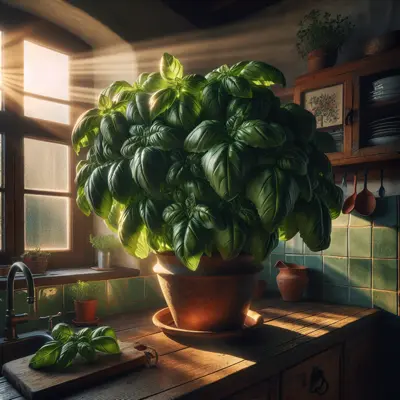
Italian Large Leaf Basil is a classic heirloom herb prized for its broad, tender leaves and intensely aromatic, sweet basil flavor with subtle hints of anise and pepper. Reaching maturity in approximately 74 days, this variety produces robust plants suited for full sun to partial shade conditions. The large leaves make it exceptionally practical for culinary applications—ideal for fresh use in pesto, Italian dishes, and salads. Unlike compact basil varieties, its generous leaf size reduces preparation time while delivering the authentic, complex flavor profile that defines traditional Italian cooking.
Harvest
74d
Days to harvest
Sun
Full sun to partial shade
Zones
10–10
USDA hardiness
Height
0-3 feet
Planting Timeline
Showing dates for Italian Large Leaf Basil in USDA Zone 10
All Zone 10 herb →Zone Map
Click a state to update dates
Italian Large Leaf Basil · Zones 10–10
Growing Details
Succession Planting
In zone 10, the window runs unusually long — transplants can go out from February through April, and harvest stretches April through December. Italian Large Leaf bolts quickly once daytime highs hold above 85–90°F, so the goal is staggered plantings that always have a young, pre-bolt flush coming in. Start a new tray of seeds indoors every 3 weeks from January onward and keep transplanting on the same 3-week cadence through spring. By the time your first planting is throwing flower spikes in summer heat, your second or third succession is already 8–10 inches tall and ready to take over.
Once temperatures drop back below 90°F in early fall — late September in zone 10 — basil recovers well. A late-August sowing gives you a strong fall harvest before cool nights slow growth. Basil blackens at anything below 50°F even without a hard freeze, so watch nighttime lows and pull plants before the first cold snap rather than after.
Complete Growing Guide
Italian Large Leaf Basil thrives best when started indoors about six weeks before your last spring frost date, allowing seedlings to develop strong root systems before transplanting outdoors. You can also direct sow seeds into warm soil after all frost danger has passed, as this variety germinates readily when soil temperatures reach 70°F or higher. For indoor starting, sow seeds shallowly on moist seed-starting mix, keeping them in bright light until germination occurs within 5-10 days. Transplant seedlings outdoors only after nighttime temperatures consistently stay above 50°F, as basil is highly sensitive to cold and will suffer if exposed to chilly conditions too early.
Space plants 12-18 inches apart to accommodate the vigorous growth habit of Italian Large Leaf Basil. The enormous wrinkled leaves that make this variety so striking require adequate airflow to prevent moisture-related fungal problems. Prepare soil by incorporating compost or aged manure to create rich, well-draining beds with a pH between 6.0 and 7.0. Sow seeds only ¼ inch deep, as excessive soil coverage prevents germination in this variety.
Water consistently, providing about one inch per week through drip irrigation or soaking at the soil level rather than overhead watering. This variety's large foliage creates a dense canopy that takes longer to dry, making it particularly vulnerable to downy mildew and fungal leaf spot diseases if leaves stay wet. Feed every two to three weeks with a balanced, water-soluble fertilizer to support the rapid, leafy growth. As the season progresses and temperatures peak, increase watering frequency while maintaining that critical dry-leaf approach.
Italian Large Leaf Basil shows particular susceptibility to spider mites in hot, dry conditions and to slugs that find the tender new growth irresistible. Scout plants regularly for mites' fine webbing on leaf undersides and treat early with neem oil or insecticidal soap. For slugs, hand-pick in early morning or use copper barriers around plants. Watch carefully for bacterial leaf spot, which appears as dark, water-soaked lesions on those prized large leaves—remove affected foliage immediately and improve air circulation.
Pinch out the central growing tip when plants reach 6 inches tall to encourage bushy, fuller plants rather than tall, leggy growth. This practice also delays flowering, extending the harvest window significantly. Succession plant every three weeks for continuous supply throughout the growing season, as this vigorous variety produces prolifically when managed with regular harvesting.
The critical mistake gardeners make with Italian Large Leaf Basil is allowing it to flower. Once flowering begins, leaf quality diminishes rapidly and the plant diverts energy away from producing those magnificent large leaves. Remove flower buds consistently throughout the season to maintain peak flavor and appearance.
Harvesting
Italian Large Leaf Basil reaches peak harvest readiness when its distinctive large leaves measure 2-3 inches long and display their characteristic deep purple-tinged coloring, signaling maximum oil concentration and flavor intensity. The leaves should feel firm and slightly waxy to the touch rather than limp or delicate. For continuous harvests that encourage bushier growth throughout the 74-day season, pinch off leaf clusters from the top of stems regularly rather than stripping entire plants at once; this method extends productivity and prevents premature flowering. Timing your first harvest when plants reach 6-8 inches tall ensures they're established enough to withstand repeated picking while maintaining vigor for multiple flushes of vibrant foliage and those striking purple flowers.
Edibility: Leaves and flowers in tea, as flavoring
Storage & Preservation
Store freshly harvested Italian Large Leaf Basil at room temperature for best flavor retention — refrigeration causes leaf blackening within 2-3 days. Place cut stems in water like fresh flowers and cover leaves loosely with plastic, changing water every 2 days. This method maintains quality for up to one week.
For preservation, blanch whole leaves in boiling water for 2-3 seconds, then immediately plunge into ice water. Pat dry and freeze in single layers between parchment paper — the large leaf size makes this method particularly effective for this variety.
Create basil oil by blending fresh leaves with olive oil and freezing in ice cube trays for convenient portion sizes. The high essential oil content of this variety makes it exceptional for drying — hang small bundles in a warm, well-ventilated area for 1-2 weeks, though expect some flavor loss compared to fresh or frozen preservation methods.
History & Origin
Italian Large Leaf Basil represents a classic European culinary herb selection, though detailed breeding records and specific origin documentation remain sparse. This variety belongs to the traditional basil lineage cultivated across Italy for centuries, particularly in regions like Genoa and Tuscany where basil holds cultural significance in local cuisine. Rather than a formally documented modern breeding program, Italian Large Leaf Basil exemplifies heritage seed-saving practices within Italian agricultural communities, where distinctive large-leaved selections were perpetuated through generations. The dramatic dark foliage and ornamental characteristics suggest deliberate selection for both culinary quality and visual appeal, though seed companies have standardized and commercialized this type without comprehensive attribution to specific breeders or years.
Origin: Tropical Africa and Asia
Advantages
- +Large 2-3" leaves provide more herb per harvest than smaller varieties
- +Stunning dark purple-black foliage and red flowers offer decorative garden appeal
- +Intense, complex flavor with anise and pepper notes enhances diverse cuisines
- +Edible flowers add elegant garnish options to drinks, salads, and desserts
- +Reaches mature height quickly at 74 days with easy growing difficulty
Considerations
- -Susceptible to multiple diseases including fusarium wilt and downy mildew
- -Vulnerable to common garden pests like aphids, spider mites, and slugs
- -Large leaf size may encourage faster bolting in hot summer conditions
Companion Plants
Tomatoes and basil get paired so often it's easy to assume it's just habit, but there's a functional case for it. Basil's volatile oils — linalool and eugenol in particular — appear to disorient aphids and thrips that would otherwise target tomato foliage. Whether that amounts to meaningful pest control is genuinely up for debate, but the two plants share nearly identical water and fertility needs, which makes them practical neighbors regardless. Tomatoes also cast afternoon shade that slows bolting in Italian Large Leaf by a few days once July heat kicks in — not a lot, but worth something.
Peppers work for the same timing and water reasons. French marigolds (Tagetes patula) earn a spot nearby for a different reason entirely: their root exudates suppress root-knot nematodes in the soil. NC State Extension specifically recommends a solid planting of French marigolds to knock back nematode pressure before returning susceptible crops to a bed. Lettuce fits in too — it tolerates the partial shade cast by taller basil plants and roots shallow enough (top 4–6 inches) that it's not competing for the same water.
Rue is the one to keep on the other side of the garden. It's allelopathic, releasing compounds that visibly suppress basil's growth within a few feet. Around here in the Southeast, sage and thyme are a subtler problem — they're not toxic to basil, but they want fast-draining, drier soil and far less frequent irrigation. Put them next to basil and you'll end up with root rot on the sage or a stressed, drought-pinched basil plant. Easier to just keep them in separate beds.
Plant Together
Tomatoes
Basil repels hornworms and aphids while potentially improving tomato flavor
Peppers
Basil deters aphids, spider mites, and thrips that commonly attack pepper plants
Oregano
Both herbs have similar growing requirements and can repel common garden pests together
Marigolds
Attract beneficial insects and repel nematodes and aphids that may harm basil
Lettuce
Basil provides light shade for lettuce and may improve its growth and flavor
Asparagus
Basil repels asparagus beetles while asparagus doesn't compete for nutrients
Parsley
Compatible growing conditions and basil may help deter pests from parsley
Carrots
Basil helps repel carrot flies and other root pests without competing for space
Keep Apart
Rue
Strongly allelopathic herb that can stunt basil growth and reduce essential oil production
Sage
Can inhibit basil growth due to different water needs and potential allelopathic effects
Thyme
May compete aggressively for nutrients and can inhibit basil's vigorous growth
Nutrition Facts
Per 100g serving. % Daily Value based on 2,000 calorie diet. Source: USDA FoodData Central (FDC #172232)
Pests & Disease Resistance
Resistance
Susceptible to fusarium wilt and bacterial leaf spot in humid conditions
Common Pests
Aphids, spider mites, Japanese beetles, slugs
Diseases
Fusarium wilt, bacterial leaf spot, downy mildew
Troubleshooting Italian Large Leaf Basil
What you'll see, why it happens, and what to do about it.
Gray-purple fuzz on undersides of leaves, with yellowing on the upper surface — plants look waterlogged even when they're not
Likely Causes
- Downy mildew (Peronospora belbahrii) — an oomycete that spreads via airborne spores and thrives in humid, warm nights above 60°F
- Poor air circulation from crowded planting or dense canopy overhead
What to Do
- 1.Pull and bag affected plants immediately — this pathogen moves fast and there's no fungicide that reliably stops it once it's established
- 2.Space transplants at least 12 inches apart and water at the base in the morning, not overhead
- 3.Start fresh with resistant varieties like 'Eleonora' or 'Nufar' if downy mildew has hit your bed before
Plants wilt suddenly and don't recover overnight, with brown streaking inside the stem when you cut it
Likely Causes
- Fusarium wilt (Fusarium oxysporum f. sp. basilici) — a soilborne fungus that colonizes vascular tissue and blocks water uptake
- Reusing infected soil or containers from a previous basil planting
What to Do
- 1.Remove and trash the entire plant, roots and all — don't compost it
- 2.Don't replant basil in the same spot for at least 2 seasons; Fusarium persists in soil
- 3.If growing in containers, replace the potting mix entirely and sanitize the pot with a 10% bleach solution before reuse
Small, water-soaked spots on leaves that turn brown or black, sometimes with a yellow halo, appearing after rain or overhead watering
Likely Causes
- Bacterial leaf spot (Pseudomonas cichorii) — spreads in wet conditions, especially when water splashes soil onto leaves
- Aphid feeding damage that opens entry points for secondary infection
What to Do
- 1.Strip the affected leaves and put them in the trash, not the compost bin
- 2.Mulch the bed with 2–3 inches of straw to cut down on soil splash during rain
- 3.Check leaf undersides for aphid colonies; knock them off with a strong spray of water or apply insecticidal soap if the infestation is heavy
Frequently Asked Questions
How long does Italian Large Leaf Basil take to grow?▼
Can you grow Italian Large Leaf Basil in containers?▼
What does Italian Large Leaf Basil taste like?▼
Is Italian Large Leaf Basil good for beginners?▼
When should I plant Italian Large Leaf Basil?▼
Italian Large Leaf vs Genovese basil — what's the difference?▼
Zone-by-Zone Planting Calendar
| Zone | Indoor Start | Transplant | Direct Sow | Harvest |
|---|---|---|---|---|
| Zone 10 | January – January | February – April | — | April – December |
Growing Guides from Wind River Greens
Sources & References
External authority sources used in compiling this guide.
See the Methodology page for how this data is sourced, what's AI-assisted, and known limitations.