Hazelnut (Theta)
Corylus avellana 'Theta'
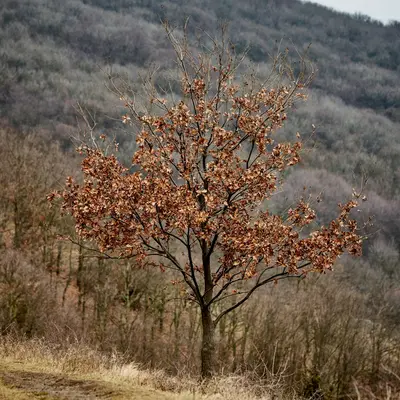
A breakthrough variety bred at Oregon State University, Theta represents the future of hazelnut growing with complete immunity to Eastern Filbert Blight. This disease-resistant variety produces medium-sized nuts with excellent flavor and kernel quality, making it perfect for regions where traditional hazelnuts struggle. Theta opens up hazelnut growing to gardeners in previously unsuitable areas while delivering reliable, heavy crops.
Harvest
120-150d
Days to harvest
Sun
Full sun to partial shade
Zones
4–8
USDA hardiness
Height
12-20 feet
Planting Timeline
Showing dates for Hazelnut (Theta) in USDA Zone 7
All Zone 7 nut-tree →Zone Map
Click a state to update dates
Hazelnut (Theta) · Zones 4–8
Growing Details
Complete Growing Guide
Unlike standard hazelnut varieties vulnerable to Eastern Filbert Blight, Theta's primary advantage is its complete disease resistance, eliminating the fungal threat that has historically limited hazelnut cultivation in humid regions. Plant Theta in full sun with well-draining soil and ensure cross-pollination by growing at least two compatible hazelnut varieties nearby, as this cultivar cannot self-pollinate. The 120–150 day maturation window means harvesting typically occurs in late September through October, when nuts drop naturally—a signal they're ready for collection. While Theta requires minimal pest management compared to traditional hazelnuts, monitor for filbert weevils and apply netting if needed. To maximize your yields, thin competing branches in late winter to open the canopy, allowing better air circulation and easier nut collection once the tree reaches its 12–20 foot mature height.
Light: Full sun (6 or more hours of direct sunlight a day), Partial Shade (Direct sunlight only part of the day, 2-6 hours). Soil: High Organic Matter, Loam (Silt), Shallow Rocky. Soil pH: Alkaline (>8.0), Neutral (6.0-8.0). Drainage: Good Drainage, Moist. Height: 12 ft. 0 in. - 20 ft. 0 in.. Spread: 8 ft. 0 in. - 15 ft. 0 in.. Spacing: 6-feet-12 feet. Maintenance: Low. Propagation: Layering, Root Cutting, Seed. Regions: Coastal, Mountains, Piedmont.
Harvesting
Theta hazelnuts reach peak harvest maturity when the husks shift from green to brown and begin splitting naturally away from the shell, typically in late September through October depending on your climate zone. The nuts themselves should feel firm and rattle slightly inside the husk when gently shaken, indicating kernel development is complete. Unlike some varieties requiring a single coordinated harvest, Theta produces nuts that mature somewhat progressively, allowing you to conduct multiple pickings over several weeks by gathering fallen nuts from the ground every few days rather than harvesting the entire crop at once. For optimal timing, begin collecting when you notice the first husks dropping and cracking open; waiting until all nuts have fallen ensures maximum maturity and kernel fill, though earlier harvesting of fully mature nuts prevents losses to wildlife and reduces drying time.
The fruit, in the form of a nut, is enclosed by a short leafy involucre, or husk. They appear in clusters of 1 to 5 and are released from the husk in late summer when the nut has ripened. The rounded nuts are about 1" in diameter.
Color: Brown/Copper, Gold/Yellow. Type: Nut. Length: 1-3 inches. Width: 1-3 inches.
Garden value: Edible, Showy
Harvest time: Fall, Summer
Edibility: Hazelnuts (cobnuts) are edible, and this plant is used in the production of these nuts.
Storage & Preservation
Freshly harvested Theta hazelnuts store best in cool, dry conditions between 32–50°F with humidity around 65–70 percent. Use breathable mesh bags or wooden crates rather than sealed containers to prevent moisture accumulation and mold. Under these conditions, in-shell nuts remain fresh for 3–4 months; shelled kernels last 4–6 weeks. For longer storage, freeze shelled nuts in airtight containers for up to one year with minimal quality loss. Drying is ideal for this variety's high oil content—spread kernels on screens in a warm, well-ventilated space until crisp, then store in airtight jars. You can also roast and freeze kernels to intensify flavor for baking and confections. Because Theta's oil content is particularly suited to pressing, consider cold-pressing a portion of your harvest for hazelnut oil, which keeps refrigerated for six months. Avoid moisture during storage, as it quickly leads to rancidity in oil-rich nuts.
History & Origin
Theta represents a significant advancement in hazelnut breeding, developed through Oregon State University's extensive research program focused on disease resistance. As a modern cultivar within the Corylus avellana species, Theta was specifically engineered to address Eastern Filbert Blight, a devastating fungal pathogen that has limited hazelnut cultivation in North America. While detailed breeder attribution and exact development year remain limited in publicly available documentation, Theta emerged from OSU's commitment to creating commercially viable hazelnuts for regions where traditional varieties could not survive, marking an important shift toward sustainable hazelnut production beyond the Pacific Northwest's traditional growing zones.
Origin: Europe and Western Asia
Advantages
- +Complete immunity to Eastern Filbert Blight enables growing in previously unsuitable regions
- +Medium nuts with rich, sweet flavor and excellent kernel quality for eating
- +Disease-resistant variety produces reliable, heavy crops with minimal disease management
- +Bred at Oregon State University using modern breeding for superior disease resistance
- +120-150 day maturity provides good production window for most growing zones
Considerations
- -Still susceptible to filbert aphids, mites, and filbert weevil pest damage
- -Bacterial blight remains possible despite general disease resistance
- -Requires cross-pollination with compatible hazelnut variety for reliable nut production
- -Trees need 3-5 years before reaching significant commercial production levels
Companion Plants
Comfrey is probably the most useful plant you can tuck beneath a hazelnut. Its taproot pulls calcium and potassium up from below the hazelnut's active root zone, and the leaves break down fast as chop-and-drop mulch — cut them 3 or 4 times a season and leave them where they fall. Clover in the understory fixes nitrogen without any input from you, and daffodil bulbs planted around the drip line deter voles and squirrels that otherwise cache nuts and chew surface roots. Yarrow and nasturtiums draw in parasitic wasps and hoverflies that keep filbert aphid pressure lower than you'd see on a bare-understory planting.
Black walnut is the one plant to keep well away — not because of garden folklore, but because juglone (5-hydroxy-1,4-napthoquinone) leaches from its roots and leaf debris into the surrounding soil, and hazelnuts are genuinely sensitive to it. You'll see stunted new growth and dieback before you figure out the cause. A grass lawn under the canopy is a subtler problem: it competes for the top 12 inches of soil moisture during dry spells and crowds out the low-growing understory plants that actually benefit the tree. Mulch or a clover-comfrey mix from trunk to drip line is a straightforward replacement.
Plant Together
Comfrey
Deep taproot brings nutrients to surface, excellent mulch and compost material
Clover
Fixes nitrogen in soil, provides ground cover and prevents weeds
Chives
Repels aphids and other pests, improves soil health
Nasturtium
Acts as trap crop for aphids and cucumber beetles, deters ants
Elderberry
Compatible growth habits, attracts beneficial insects, similar soil preferences
Currants
Share similar soil and water needs, do not compete for nutrients
Yarrow
Attracts beneficial insects, improves soil structure and nutrient availability
Daffodils
Repels rodents that may damage nuts, blooms before leaf out
Keep Apart
Black Walnut
Produces juglone which is toxic to hazelnuts and inhibits growth
Pine Trees
Acidifies soil excessively, competes for water and nutrients
Grass Lawn
Competes heavily for water and nutrients, inhibits root development
Nutrition Facts
Per 100g serving. % Daily Value based on 2,000 calorie diet. Source: USDA FoodData Central (FDC #2515375)
Pests & Disease Resistance
Resistance
Complete immunity to Eastern Filbert Blight
Common Pests
Filbert aphid, mites, filbert weevil
Diseases
Generally disease resistant, bacterial blight possible
Troubleshooting Hazelnut (Theta)
What you'll see, why it happens, and what to do about it.
Leaves curling and sticky residue on foliage, often with a shiny coating on upper leaf surfaces
Likely Causes
- Filbert aphid (Myzocallis coryli) — colonies build up fast on the undersides of leaves in late spring
- Ant activity farming the aphids, which protects them from predators
What to Do
- 1.Blast the undersides of leaves with a firm stream of water to knock aphids off — repeat every 2-3 days until populations drop
- 2.Apply insecticidal soap directly to colonies; coat the undersides thoroughly
- 3.Disrupt ant access by banding the trunk with a sticky barrier product like Tanglefoot
Small, round holes bored into developing nuts, often with a grub inside at harvest
Likely Causes
- Filbert weevil (Curculio occidentis) — the female punctures the developing nut shell to lay eggs, and the larva feeds inside
- Filbert worm (Cydia latiferreana) — a separate moth larva that enters through the husk
What to Do
- 1.Collect and destroy all fallen nuts promptly — larvae drop to the soil to pupate, and breaking that cycle matters
- 2.Keep the ground under the canopy clear of leaf litter and mow short; weevils overwinter in the duff
- 3.For heavy infestations, kaolin clay applied to developing nuts starting in early summer can deter egg-laying
Dark water-soaked lesions on young shoots and catkins in early spring, sometimes with gummy exudate
Likely Causes
- Bacterial blight (Xanthomonas arboricola pv. corylina) — thrives in cool, wet spring weather and enters through natural openings or pruning wounds
- Winter-damaged tissue, which creates easy entry points for the bacteria
What to Do
- 1.Prune out all infected wood at least 6 inches below visible damage; sterilize your pruners between cuts with 70% isopropyl alcohol
- 2.Avoid pruning during wet weather — wait for a dry stretch of 3 or more days
- 3.Copper-based bactericide applied at bud swell (before leaves open) can reduce infection pressure in problem years
Yellow mottled or stippled leaves, fine webbing visible on undersides in dry midsummer conditions
Likely Causes
- Spider mites (Tetranychus urticae or related species) — populations explode when temperatures stay above 85°F and humidity is low
- Broad mite or rust mite infestations, which cause similar stippling but no visible webbing
What to Do
- 1.Spray the undersides of leaves with a strong water jet every 2-3 days — mites hate moisture and this alone can suppress light infestations
- 2.Apply horticultural oil or insecticidal soap in the evening to avoid leaf scorch; repeat after 7 days
- 3.Avoid broad-spectrum insecticides like pyrethroids, which wipe out predatory mites (Phytoseiidae) that naturally keep spider mite numbers in check
Frequently Asked Questions
How long does it take to harvest Theta hazelnuts?▼
Is Theta hazelnut good for beginner growers?▼
What makes Theta hazelnut different from other varieties?▼
Can you grow Theta hazelnuts in containers?▼
How much sun does Theta hazelnut need?▼
What does Theta hazelnut taste like?▼
Zone-by-Zone Planting Calendar
Growing Guides from Wind River Greens
Sources & References
External authority sources used in compiling this guide.
See the Methodology page for how this data is sourced, what's AI-assisted, and known limitations.