Arena III Apricot
Eustoma grandiflorum
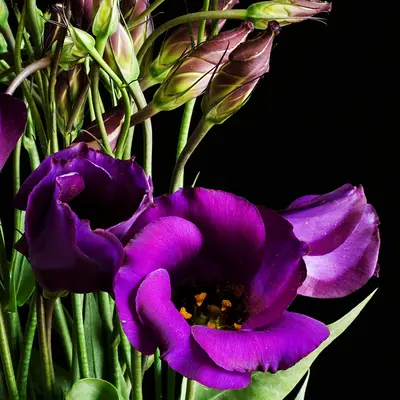
2-3", fully-double flowers are a warm apricot color. We chose the Arena series as a later-flowering group 3 (main season) series that can be planted along with an earlier group 2 series, such as the Mariachi series, for a staggered harvest. When planted at the same time, Arenas start to bloom approximately two weeks after Mariachis. Group 3, for late spring, summer, and fall harvest. Lisianthus is also known as prairie gentian, Texas bluebell, and showy prairie gentian. Pelleted seeds.
Harvest
155-165d
Days to harvest
Sun
Full sun to partial shade
Zones
8–10
USDA hardiness
Height
1-3 feet
Planting Timeline
Showing dates for Arena III Apricot in USDA Zone 7
All Zone 7 flower →Zone Map
Click a state to update dates
Arena III Apricot · Zones 8–10
Growing Details
Complete Growing Guide
2-3", fully-double flowers are a warm apricot color. We chose the Arena series as a later-flowering group 3 (main season) series that can be planted along with an earlier group 2 series, such as the Mariachi series, for a staggered harvest. When planted at the same time, Arenas start to bloom approximately two weeks after Mariachis. Group 3, for late spring, summer, and fall harvest. Lisianthus is also known as prairie gentian, Texas bluebell, and showy prairie gentian. Pelleted seeds. According to Johnny's Selected Seeds, Arena III Apricot is 155 - 165 days to maturity, annual, hybrid (f1). Notable features: Greenhouse Performer, Use for Cut Flowers and Bouquets.
Light: Full sun (6 or more hours of direct sunlight a day), Partial Shade (Direct sunlight only part of the day, 2-6 hours). Soil: Loam (Silt), Sand. Drainage: Good Drainage, Moist. Height: 1 ft. 0 in. - 3 ft. 0 in.. Spread: 0 ft. 9 in. - 1 ft. 0 in.. Maintenance: High. Propagation: Seed.
Harvesting
Arena III Apricot reaches harvest at 155 - 165 days from sowing per Johnny's Selected Seeds. Expect 2-3" at peak. As an annual, harvest continues until frost ends the season.
This is an ornamental variety — not grown for harvest. Enjoy in the garden landscape.
Storage & Preservation
Fresh Arena III Apricot blooms should be stored upright in a clean vase with fresh, cool water (65-72°F) in a cool location away from direct sunlight and ethylene-producing fruits. Change water every 2-3 days. Shelf life is typically 7-10 days indoors. For preservation, try drying by hanging stems upside-down in a warm, dark, well-ventilated space for 2-3 weeks to create dried arrangements. Alternatively, press flowers between absorbent paper under weight for 1-2 weeks for botanical crafts. Silica gel drying preserves color best, taking 3-5 days for this double-form variety.
History & Origin
Arena III Apricot is an F1 hybrid developed through controlled cross-pollination. Listed in the Johnny's Selected Seeds catalog.
Origin: Nebraska south to Texas.
Advantages
- +Warm apricot color is distinctive and complements spring-flowering varieties well
- +Fully-double flowers provide lush, romantic appearance in floral arrangements
- +Two-week bloom delay enables strategic succession planting with earlier series
- +Long vase life makes Arena III Apricot commercially viable for florists
- +Group 3 timing allows extended harvest through summer and fall seasons
Considerations
- -155-165 day timeline requires significant growing space and time investment
- -Lisianthus notoriously susceptible to root rot in poorly-drained soils
- -Pelleted seeds need careful moisture management to prevent germination failure
- -Apricot tone may clash with cooler-colored companion flowers in arrangements
Companion Plants
Marigolds are the most practical companion here — specifically French marigolds (Tagetes patula), which secrete alpha-terthienyl from their roots, a compound that suppresses root-knot nematodes (Meloidogyne spp.) in the surrounding soil. Since Arena III sits in the ground for 5+ months from transplant to cut, anything reducing nematode pressure over that stretch is worth the bed space. Plant them at the border rather than crowded between stems, where they'd compete for light with a crop that needs every hour of sun to push those double blooms.
Sweet alyssum and calendula pull in parasitic wasps and hoverflies that knock back aphid populations before they build up on the buds. Both stay low enough not to shade the Arena III stems. Cosmos works the same way and adds height variety if you're cutting for mixed arrangements — though keep it 12 or more inches away so it doesn't lean in and trap the kind of still, humid air that Botrytis cinerea needs to get started.
Black walnut (Juglans nigra) and eucalyptus are the ones to keep well clear of. Black walnut pushes juglone through its root system continuously, and lisianthus has no tolerance for it. Eucalyptus drops allelopathic compounds in both its leaf litter and root exudates, which can stunt shallow-rooted annuals even before they're established. Sunflowers are a less obvious problem — mildly allelopathic themselves, and they draw thrips, which scar lisianthus petals badly enough to pull them out of any cut-flower grade.
Plant Together
Marigolds
Repel nematodes and aphids while attracting beneficial insects
Lavender
Attracts pollinators and repels pests with aromatic oils
Nasturtiums
Act as trap crop for aphids and attract beneficial predatory insects
Chives
Repel aphids and other soft-bodied insects with sulfur compounds
Sweet Alyssum
Attracts beneficial insects like lacewings and parasitic wasps
Calendula
Attracts pollinators and beneficial insects while repelling garden pests
Cosmos
Attracts beneficial insects and provides support structure for climbing varieties
Dill
Attracts beneficial predatory insects and parasitic wasps
Keep Apart
Black Walnut
Releases juglone toxin that inhibits growth of many flowering plants
Eucalyptus
Produces allelopathic compounds that suppress growth of nearby plants
Sunflowers
Compete heavily for nutrients and water, may release growth inhibitors
Troubleshooting Arena III Apricot
What you'll see, why it happens, and what to do about it.
Seedlings collapsing at the soil line, stems look pinched or water-soaked just above the roots
Likely Causes
- Damping off — typically Pythium or Rhizoctonia solani, both thrive in cold, wet, poorly drained seedling mix
- Overwatering in the first 3–4 weeks after germination
What to Do
- 1.Ditch any seedling mix that's been sitting wet and start fresh; lisianthus takes 14–21 days to germinate and that extended window means prolonged exposure to wet conditions
- 2.Water from below using a tray, and let the top half-inch of mix dry slightly between waterings
- 3.If damping off has already hit part of a flat, pull the affected plugs immediately and don't reuse that mix
Leaves developing gray, fuzzy patches — usually starting on older or damaged tissue before spreading
Likely Causes
- Botrytis cinerea (gray mold) — almost always triggered by high humidity, poor airflow, or dense planting
What to Do
- 1.Space transplants at least 9–12 inches apart so air can move between stems
- 2.Water at the base, not overhead, and do it early enough in the day that foliage dries before evening
- 3.Strip off any dead or damaged leaves as soon as you see them — Botrytis moves fast on compromised tissue
Plants barely growing, leaves are small and pale green, stems look thin even 6–8 weeks after transplant
Likely Causes
- Nitrogen deficiency in low-organic or heavily leached soil
- Root-knot nematodes (Meloidogyne spp.) restricting uptake — common in sandy soils
What to Do
- 1.Side-dress with a balanced slow-release fertilizer (something in the 10-10-10 range) and give plants a good deep soak to move it into the root zone
- 2.Pull a plant and check the roots for galls — if they're present, move lisianthus to a different bed next season and consider a cover crop of 'Calypso' marigolds in the affected area to suppress nematode populations
- 3.Test your soil before the next planting; lisianthus wants pH around 6.5–7.0 and won't feed well outside that range
Frequently Asked Questions
How long do Arena III Apricot flowers last in a vase?▼
Is Arena III Apricot a good choice for beginner flower growers?▼
Can you grow Arena III Apricot in containers?▼
When should I plant Arena III Apricot lisianthus seeds?▼
What makes Arena III Apricot different from Mariachi lisianthus?▼
What does Arena III Apricot look like when fully bloomed?▼
Zone-by-Zone Planting Calendar
| Zone | Indoor Start | Transplant | Direct Sow | Harvest |
|---|---|---|---|---|
| Zone 3 | April – May | June – July | June – August | — |
| Zone 4 | March – April | June – June | June – July | — |
| Zone 5 | March – April | May – June | May – July | — |
| Zone 6 | March – April | May – June | May – July | — |
| Zone 7 | February – March | April – May | April – June | — |
| Zone 8 | February – March | April – May | April – June | — |
| Zone 9 | January – February | March – April | March – May | — |
| Zone 10 | January – January | February – March | February – April | — |
| Zone 1 | May – June | July – August | July – September | — |
| Zone 2 | April – May | June – July | June – August | — |
| Zone 11 | January – January | January – February | January – March | — |
| Zone 12 | January – January | January – February | January – March | — |
| Zone 13 | January – January | January – February | January – March | — |
Growing Guides from Wind River Greens
Sources & References
External authority sources used in compiling this guide.
- BreederJohnny's Selected Seeds
See the Methodology page for how this data is sourced, what's AI-assisted, and known limitations.