Audray White
Gomphrena globosa
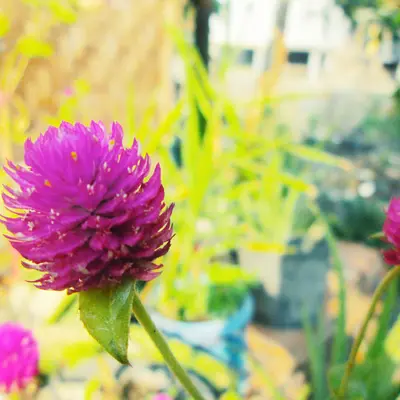
1 1/2" blooms on long stems and uniform plants. Sturdy white blooms are an excellent special detail in wedding design work and boutonnieres, in addition to wholesale and market bouquets. Also known as globe amaranth and common globe amaranth.
Harvest
95-110d
Days to harvest
Sun
Full sun to partial shade
Zones
2–11
USDA hardiness
Height
12-24 inches
Planting Timeline
Showing dates for Audray White in USDA Zone 7
All Zone 7 flower →Zone Map
Click a state to update dates
Audray White · Zones 2–11
Growing Details
Succession Planting
Audray White takes 95–110 days to first harvest and keeps producing blooms until frost cuts it down, so a single sowing carries the whole season. Start seeds indoors 6–8 weeks before your last frost date — late February to early March in zone 7 — or direct sow after soil temperatures reach 60°F in April. There's no real benefit to staggering sowings the way you would with lettuce or radishes. One well-timed planting is all you need.
Complete Growing Guide
1 1/2" blooms on long stems and uniform plants. Sturdy white blooms are an excellent special detail in wedding design work and boutonnieres, in addition to wholesale and market bouquets. Also known as globe amaranth and common globe amaranth. According to Johnny's Selected Seeds, Audray White is 95 - 110 days to maturity, annual, open pollinated. Notable features: Grows Well in Containers, Use for Cut Flowers and Bouquets, Ideal for Drying and Crafts.
Light: Full sun (6 or more hours of direct sunlight a day), Partial Shade (Direct sunlight only part of the day, 2-6 hours). Drainage: Good Drainage, Occasionally Dry. Height: 1 ft. 0 in. - 2 ft. 0 in.. Spread: 0 ft. 6 in. - 1 ft. 0 in.. Spacing: Less than 12 inches. Growth rate: Medium. Maintenance: Low. Propagation: Seed. Regions: Coastal, Mountains, Piedmont.
Harvesting
Audray White reaches harvest at 95 - 110 days from sowing per Johnny's Selected Seeds. Expect 1 1/2" at peak. As an annual, harvest continues until frost ends the season.
This is an ornamental variety — not grown for harvest. Enjoy in the garden landscape.
Storage & Preservation
For fresh cut stems, store upright in a vase with cool water at 65-72°F in a cool room away from direct sunlight and ripening fruit. Change water every 2-3 days; blooms last 2-3 weeks in the vase. For preservation, hang-dry bundles upside down in a dark, well-ventilated area for 1-2 weeks to create long-lasting dried flowers. Alternatively, use silica gel to dry individual blooms within 3-5 days for wedding arrangements. A third option is pressing blooms between parchment paper under weight for 1-2 weeks for flat, decorative use in cards or crafts.
History & Origin
Audray White is open-pollinated, meaning seed saved from healthy plants will produce true-to-type offspring. Listed in the Johnny's Selected Seeds catalog.
Origin: Mexico to Brazil
Advantages
- +Perfect white blooms ideal for wedding and special event floral design work
- +Long stems make Audray White excellent for professional bouquets and arrangements
- +Uniform plant growth ensures consistent quality for wholesale and market sales
- +Easy to grow variety requires minimal expertise even for beginner gardeners
- +Sturdy blooms hold up well and maintain freshness in cut flower applications
Considerations
- -Long growing season of 95-110 days limits production cycles per year
- -Sensitive to overwatering which can cause root rot in poorly drained soil
- -Small bloom size of 1.5 inches may require more stems per arrangement
- -Heat and humidity preference makes cultivation challenging in cool climates
Companion Plants
Marigolds and sweet alyssum are the two companions worth planting close to Audray White. French marigolds (the 'Bonanza' series works well) push back aphids and whiteflies through their scent, and they pull in predatory insects that patrol the surrounding bed. Sweet alyssum at the base of gomphrena does something more targeted — its small flowers are sized right for parasitic wasps and hoverflies, which will work aphid colonies on the gomphrena stems before pressure builds into something you have to spray for. Cosmos and zinnias make decent neighbors too, mostly because they share similar heat and water needs, so you're not juggling conflicting care routines in the same row.
Keep Audray White away from black walnut. The roots and decomposing hulls release juglone into the surrounding soil, and gomphrena is sensitive enough that it's not a gamble worth taking anywhere near a mature tree. Fennel is a subtler problem: its roots produce allelopathic compounds that suppress nearby plants, and it has a reputation as a bad neighbor across most ornamental beds — not just with gomphrena.
Plant Together
Marigolds
Repel aphids, whiteflies, and nematodes while attracting beneficial insects
Nasturtiums
Act as trap crops for aphids and cucumber beetles, protecting nearby plants
Sweet Alyssum
Attracts beneficial insects like lacewings and parasitic wasps for pest control
Lavender
Repels moths, fleas, and mosquitoes while attracting pollinators
Petunias
Natural pest deterrent against aphids, hornworms, and squash bugs
Zinnia
Attracts ladybugs and other beneficial predatory insects
Cosmos
Attracts beneficial insects and provides structural diversity in garden beds
Catnip
Repels ants, aphids, and flea beetles more effectively than DEET
Keep Apart
Black Walnut
Produces juglone toxin that inhibits growth and can kill sensitive flowering plants
Eucalyptus
Allelopathic compounds in leaves suppress growth of nearby plants
Sunflowers
Compete aggressively for nutrients and water, may inhibit growth of smaller flowers
Fennel
Releases allelopathic compounds that inhibit germination and growth of most garden plants
Troubleshooting Audray White
What you'll see, why it happens, and what to do about it.
Seedlings damping off at soil level — stem pinches to a thread, then the plant topples, usually within the first 2 weeks after germination
Likely Causes
- Pythium or Rhizoctonia fungi — both thrive in cool, wet, poorly-drained starting mix
- Overwatering or trays sitting in standing water
What to Do
- 1.Use a sterile seed-starting mix, not garden soil, and make sure trays drain freely
- 2.Water from the bottom and let the surface dry slightly between waterings
- 3.If it spreads to neighboring cells, pull the affected seedlings immediately and improve airflow with a small fan
Leaves developing gray or white powdery coating, usually showing up in late summer when nights cool down
Likely Causes
- Powdery mildew (Erysiphe or Golovinomyces spp.) — fungal spores spread by wind, favored by high humidity with dry leaf surfaces
- Crowded spacing under 12 inches that blocks air circulation
What to Do
- 1.Space plants at least 12 inches apart — Audray White tolerates tighter rows fine until mildew pressure hits, and by then it's too late to fix
- 2.Apply a diluted neem oil spray (2 tsp per quart of water) every 7-10 days at first sign
- 3.Remove and bag heavily coated leaves; don't compost them
Stunted growth with distorted, curling new leaves and a sticky residue on stems, showing up in spring or early fall flushes
Likely Causes
- Aphid colonies (commonly Myzus persicae or related species) clustering on tender growing tips
- Ant activity nearby — ants farm aphids and will actively move them to fresh growth to protect their food source
What to Do
- 1.Knock aphids off with a firm stream of water; repeat every 2-3 days for two weeks
- 2.Plant sweet alyssum nearby — its nectar feeds parasitic wasp adults, which lay eggs in aphids and collapse colonies fast
- 3.If the infestation is heavy, apply insecticidal soap directly to the colonies; avoid spraying in full midday sun to prevent leaf burn
Frequently Asked Questions
How long do Audray White globe amaranth flowers last in a vase?▼
Can you grow Audray White in containers?▼
Is Audray White globe amaranth good for beginner flower growers?▼
When should I plant Audray White globe amaranth seeds?▼
What makes Audray White globe amaranth special for wedding floristry?▼
Zone-by-Zone Planting Calendar
| Zone | Indoor Start | Transplant | Direct Sow | Harvest |
|---|---|---|---|---|
| Zone 1 | May – June | July – August | July – September | — |
| Zone 2 | April – May | June – July | June – August | — |
| Zone 11 | January – January | January – February | January – March | — |
| Zone 12 | January – January | January – February | January – March | — |
| Zone 13 | January – January | January – February | January – March | — |
| Zone 3 | April – May | June – July | June – August | — |
| Zone 4 | March – April | June – June | June – July | — |
| Zone 5 | March – April | May – June | May – July | — |
| Zone 6 | March – April | May – June | May – July | — |
| Zone 7 | February – March | April – May | April – June | — |
| Zone 8 | February – March | April – May | April – June | — |
| Zone 9 | January – February | March – April | March – May | — |
| Zone 10 | January – January | February – March | February – April | — |
Growing Guides from Wind River Greens
Sources & References
External authority sources used in compiling this guide.
- BreederJohnny's Selected Seeds
See the Methodology page for how this data is sourced, what's AI-assisted, and known limitations.