Carrot
Daucus carota var. sativus
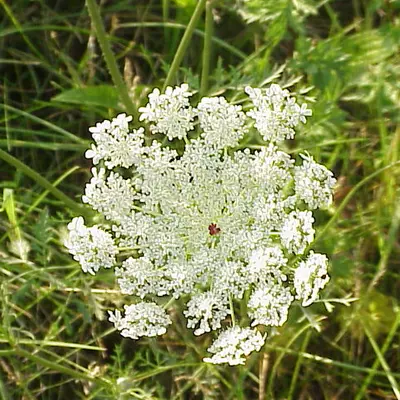
Carrot microgreens are delicate, tender shoots harvested at 16-25 days with mild, naturally sweet carrot flavor minus earthiness. These heirloom varieties feature crisp texture and fresh taste in a compact form ideal for garnishes and salads. Fast-growing and easy to cultivate, carrot microgreens offer concentrated nutrition and distinctive flavor in just 2-3 weeks, making them perfect for home growers seeking quick harvests.
Harvest
16-25d
Days to harvest
Sun
Full sun to partial shade
Zones
4–11
USDA hardiness
Height
2-3 inches
Planting Timeline
Showing dates for Carrot in USDA Zone 7
All Zone 7 microgreen →Zone Map
Click a state to update dates
Carrot · Zones 4–11
Growing Details
Succession Planting
Carrot microgreens are one of the easier crops to run on a rolling schedule because the whole cycle is 16–25 days and you can sow indoors any month of the year. Start a new tray every 7–10 days if you want a continuous supply — that spacing gives you overlapping harvests without a gap. One tray at a time works fine for a household; bump to two or three staggered trays if you're supplying a CSA share or selling at market.
There's no bolting threshold to worry about the way there is with outdoor carrots. Keep your growing space between 60–75°F and germination will stay consistent year-round. If your space runs warmer than 80°F in summer, germination can stall or go patchy — either move the tray somewhere cooler for the first 7–10 days, or time your sows to avoid the hottest stretch indoors.
Complete Growing Guide
Mild carrot flavor. Sprinkle over a dish to create an interesting, delicate effect. According to Johnny's Selected Seeds, Carrot is 16 - 25 days to maturity, annual, open pollinated. Notable features: Hydroponic Performer.
Light: Full sun (6 or more hours of direct sunlight a day), Partial Shade (Direct sunlight only part of the day, 2-6 hours). Soil: Clay, High Organic Matter, Loam (Silt), Sand, Shallow Rocky. Soil pH: Acid (<6.0), Alkaline (>8.0), Neutral (6.0-8.0). Drainage: Good Drainage, Moist, Occasionally Dry. Growth rate: Rapid. Maintenance: High. Propagation: Seed.
Harvesting
Carrot reaches harvest at 16 - 25 days from sowing per Johnny's Selected Seeds. As an annual, harvest continues until frost ends the season.
Small, dry, and ribbed with bristly hairs. The compound umbel of fruits folds inward to form a roundish shape that can be blown by the wind and roll across the ground dropping seeds.
Color: Brown/Copper. Type: Achene. Length: < 1 inch. Width: < 1 inch.
Edibility: Leaves, roots, flowers, and seeds are edible. The young fleshy roots can be cooked or eaten raw, the flower clusters can be french-fried to produce a carrot-flavored dish, the aromatic seed is used as a flavoring in stews, etc. The dried roasted roots are ground into a powder and are used for making coffee.
Storage & Preservation
Harvest carrot microgreens at 16 days and store immediately in a breathable container lined with paper towel to wick away excess moisture. Keep them in the refrigerator at 35–40°F with 85–95% humidity; they'll stay crisp for 5–7 days. For longer preservation, freezing works well: blanch briefly (2–3 minutes) to preserve color and nutrients, then pack in airtight containers or freezer bags. Dried carrot microgreens retain their sweet, earthy flavor and can be ground into powder for soups and smoothies; dehydrate at 110–125°F for 6–8 hours. Fermentation is another option—pack them loosely with salt brine (2% salt by weight) in a jar for 3–5 days at room temperature to develop tangy complexity. Carrot microgreens are prone to bolting if exposed to warmth, so prioritize cold storage immediately after harvest to extend their window before decline becomes noticeable.
History & Origin
Carrot is open-pollinated, meaning seed saved from healthy plants will produce true-to-type offspring. Listed in the Johnny's Selected Seeds catalog.
Origin: Europe, Eastern Asia and northern Africa
Advantages
- +Mild flavor complements dishes without overpowering delicate cuisine
- +Long growing window of 16-25 days allows flexible scheduling
- +Easy difficulty level makes carrot microgreens beginner-friendly
- +Visually striking delicate effect when sprinkled as garnish
- +Natural sweetness develops as carrot microgreens mature
Considerations
- -Slow germination requires careful moisture monitoring to prevent rot
- -Seeds have low germination rates compared to other microgreens
- -Thin, fragile stems prone to tangling and difficult harvesting
- -Requires consistent 16-25 day cycle with minimal room for error
Companion Plants
The companion list for carrot microgreens is really a carryover from full-season carrot growing — so take it with some salt. You're not planting these in a field bed. That said, if you're running multiple trays, there are practical reasons to think about what's on the same shelf. Chives and onions are listed as beneficial because their sulfur compounds confuse carrot fly (Psila rosae) in outdoor beds; indoors, that pest isn't a concern, but chive microgreens share nearly identical moisture and light requirements, so they're sensible tray neighbors. Radish microgreens are worth pairing for a different reason entirely: they're ready in 4–6 days versus 7–14 for carrot, which lets you pull staggered harvests off the same shelf without reshuffling your whole operation.
Dill, anise, and coriander are flagged harmful because of allelopathy — these plants release volatile compounds that suppress carrot germination and early root development in shared soil. Cross-contamination between separate indoor trays is unlikely to matter much, but if you're growing coriander microgreens at the same time, keeping them on a different shelf costs you nothing and builds a habit that genuinely matters once you move full carrots outside. Parsley shares the Apiaceae family with carrot and, in an outdoor setting, draws parasitic wasps and hoverflies that knock back aphid pressure — not relevant to a tray on your counter, but worth filing away if you ever transition this crop to a garden bed.
Plant Together
Chives
Repels carrot fly and aphids while improving soil health
Lettuce
Provides ground cover and shares similar growing conditions without competition
Radish
Breaks up soil for better carrot root development and deters carrot fly
Onions
Strong scent masks carrot odor from carrot fly and other pests
Parsley
Attracts beneficial insects and shares similar nutrient requirements
Leeks
Repels carrot fly through scent masking and vertical growth saves space
Marigold
Deters nematodes and other soil pests while attracting pollinators
Sage
Repels carrot fly and cabbage moths with aromatic compounds
Keep Apart
Dill
Can stunt carrot growth and attracts carrot fly when mature
Anise
Inhibits carrot germination and early growth through allelopathic effects
Coriander
May compete for nutrients and can inhibit carrot seed germination
Nutrition Facts
Per 100g serving. % Daily Value based on 2,000 calorie diet. Source: USDA FoodData Central (FDC #170393)
Troubleshooting Carrot
What you'll see, why it happens, and what to do about it.
Seeds germinate unevenly or barely at all by day 14 — sparse, patchy tray
Likely Causes
- Carrot seeds dried out during germination; they need consistent moisture for the full 7–14 days
- Seed buried too deep — carrot microgreen seed should sit at or just under the soil surface, not 1/4 inch down
- Old seed stock with low viability (carrot seed degrades faster than most, especially after 2 years)
What to Do
- 1.Cover the tray with a humidity dome or damp burlap until sprouts emerge, and check moisture twice a day
- 2.Resow with fresh seed pressed lightly onto the surface, then mist — don't drench
- 3.Do a quick jar germination test on suspect seed before committing a full tray to it
Seedlings are pale yellow or white rather than green, even after uncovering the tray
Likely Causes
- Tray kept in the dark too long after germination — carrot microgreens need light within a day or two of sprouting
- Insufficient light intensity; a north-facing windowsill in winter won't cut it
What to Do
- 1.Move the tray to a spot with 4–6 hours of direct sun or place it 2–3 inches under a grow light for 12–14 hours a day
- 2.Give yellowed seedlings 48 hours under good light before writing them off — they green up fast once light hits them
Fuzzy white coating on the base of stems or growing medium surface around day 7–10
Likely Causes
- Root hairs on carrot seedlings — often mistaken for mold, but root hairs are white, uniform, and attached directly to the stem base
- True mold (commonly Pythium or Botrytis) — appears gray or blue-green, smells musty, and spreads across the soil surface
What to Do
- 1.Mist the tray lightly and check again in 12 hours; root hairs will look the same, true mold will spread
- 2.If it's actual mold, improve airflow immediately — a small fan on low for a few hours a day makes a real difference
- 3.Reduce watering frequency and make sure the tray isn't sitting in pooled water
Microgreens are leggy and flopping over before reaching harvest height of 2–3 inches
Likely Causes
- Too little light — carrot microgreens stretch toward any available source and lose structural integrity
- Sown too densely, causing seedlings to compete and lean against each other for support
What to Do
- 1.Reposition the tray within 2 inches of a grow light, or move it to the sunniest window available
- 2.Next sow, spread seed more evenly — aim for a single layer with seeds touching but not piling up
- 3.Harvest at 16–18 days rather than waiting for 25; flopped greens don't recover their posture
Frequently Asked Questions
How long does it take to grow carrot microgreens?▼
Can you grow carrot microgreens indoors without sunlight?▼
What do carrot microgreens taste like?▼
Is growing carrot microgreens good for beginners?▼
Can you regrow carrot microgreens after harvesting?▼
How much light do carrot microgreens need?▼
Zone-by-Zone Planting Calendar
| Zone | Indoor Start | Transplant | Direct Sow | Harvest |
|---|---|---|---|---|
| Zone 3 | January – December | — | — | January – December |
| Zone 4 | January – December | — | — | January – December |
| Zone 5 | January – December | — | — | January – December |
| Zone 6 | January – December | — | — | January – December |
| Zone 7 | January – December | — | — | January – December |
| Zone 8 | January – December | — | — | January – December |
| Zone 9 | January – December | — | — | January – December |
| Zone 10 | January – December | — | — | January – December |
| Zone 1 | January – December | — | — | January – December |
| Zone 2 | January – December | — | — | January – December |
| Zone 11 | January – December | — | — | January – December |
| Zone 12 | January – December | — | — | January – December |
| Zone 13 | January – December | — | — | January – December |
Growing Guides from Wind River Greens
Sources & References
External authority sources used in compiling this guide.
- ExtensionNC State Extension
- BreederJohnny's Selected Seeds
- USDAUSDA FoodData Central
See the Methodology page for how this data is sourced, what's AI-assisted, and known limitations.