Chandelier
Lupinus polyphyllus
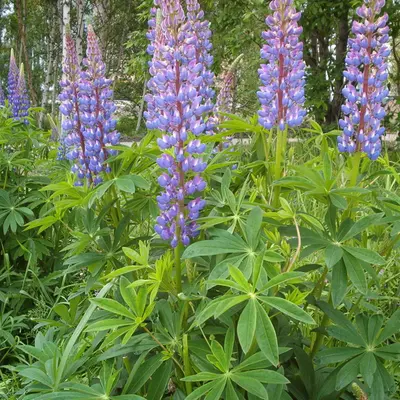
Part of the Russell Hybrids 'Band of Nobles' series. Chandelier has sweetly scented, soft, buttery yellow blooms. Plants produce multiple blooms with stiff, straight stems. In our trials, these first-year flowering plants bloomed in early July in the first year and about a month earlier (early June) from well-established plants in the second season of growing. Bloom quality and productivity were better in the second season, although all plants did produce flowers in the first season. Performs best where summers are cool. Attracts and provides a food source for bees and hummingbirds. 1-2' blooms/spikes are densely covered with ½" pea-like flowers. Lupine is typically resistant to deer and rabbits. Perennial in Zones 4-8.
Harvest
150-190d
Days to harvest
Sun
Full sun to partial shade
Zones
4–9
USDA hardiness
Height
3-4 feet
Planting Timeline
Showing dates for Chandelier in USDA Zone 7
All Zone 7 flower →Zone Map
Click a state to update dates
Chandelier · Zones 4–9
Growing Details
Complete Growing Guide
Part of the Russell Hybrids 'Band of Nobles' series. Chandelier has sweetly scented, soft, buttery yellow blooms. Plants produce multiple blooms with stiff, straight stems. In our trials, these first-year flowering plants bloomed in early July in the first year and about a month earlier (early June) from well-established plants in the second season of growing. Bloom quality and productivity were better in the second season, although all plants did produce flowers in the first season. Performs best where summers are cool. Attracts and provides a food source for bees and hummingbirds. 1-2' blooms/spikes are densely covered with ½" pea-like flowers. Lupine is typically resistant to deer and rabbits. Perennial in Zones 4-8. According to Johnny's Selected Seeds, Chandelier is 150 - 190 days to maturity, perennial, open pollinated. Notable features: Heirloom, Grows Well in Containers, Use for Cut Flowers and Bouquets, Fragrant, Attracts Beneficial Insects.
Light: Full sun (6 or more hours of direct sunlight a day), Partial Shade (Direct sunlight only part of the day, 2-6 hours). Soil: High Organic Matter, Loam (Silt). Soil pH: Acid (<6.0). Drainage: Good Drainage, Moist. Height: 3 ft. 0 in. - 4 ft. 0 in.. Spread: 1 ft. 6 in. - 2 ft. 0 in.. Maintenance: Medium. Propagation: Seed, Stem Cutting. Regions: Mountains.
Harvesting
Chandelier reaches harvest at 150 - 190 days from sowing per Johnny's Selected Seeds.
Elongated, flattened pod.
Type: Capsule.
Storage & Preservation
Chandelier lupine flowers are best enjoyed fresh and should be displayed immediately in cool water. Keep cut spikes in a vase at room temperature (65-70°F) away from direct heat and ripening fruits, which produce ethylene gas. Change water every 2-3 days for optimal longevity (7-10 days). For preservation, air-dry flower spikes by hanging them upside-down in a dark, well-ventilated space for 2-3 weeks to create dried arrangements. Alternatively, press individual florets between paper for botanical crafts, or freeze flowers in ice cubes with water for decorative uses in beverages.
History & Origin
Chandelier is open-pollinated, meaning seed saved from healthy plants will produce true-to-type offspring. Listed in the Johnny's Selected Seeds catalog.
Origin: America, Mediterranean to Tanzania
Advantages
- +Buttery yellow blooms with sweet fragrance attract bees and hummingbirds reliably
- +Flowers proliferate abundantly in second season with improved quality and productivity
- +Dense 1-2 foot spikes produce abundant half-inch pea-like flowers continuously
- +First-year flowering variety blooms early July, establishing plants flower in June
- +Deer and rabbit resistant perennial performs reliably in Zones 4-8
Considerations
- -Requires cool summer conditions; struggles in hot, humid climates consistently
- -May need staking despite stiff stems when grown in windy locations
- -Short-lived perennial typically requiring division or replanting every few years
- -Susceptible to powdery mildew and root rot in poorly drained soils
Companion Plants
Marigolds, Sweet Alyssum, and Nasturtiums pull real weight near lupines. Tagetes patula marigolds push back on the lupine aphid (Macrosiphum albifrons) through scent — useful because those colonies can collapse a flower spike in a few days. Sweet Alyssum draws hoverflies and parasitic wasps that prey on those same aphid clusters. Nasturtiums act as a trap crop, pulling aphids off the lupines and onto themselves where you can deal with them directly. In our zone 7 Georgia gardens, Cosmos and Zinnias fit naturally into the same bed: they bloom on a roughly parallel schedule, don't run deep competing root systems, and keep pollinators moving through.
Black Walnut (Juglans nigra) is a hard no — the juglone it leaches through its root zone will stunt or kill lupines, and you won't always see the source of the trouble until the plant's already gone. Sunflowers are a quieter problem: their roots release allelopathic compounds that suppress neighboring plants, and lupines are sensitive enough that the pairing isn't worth attempting. Eucalyptus, grown as an ornamental screen, puts oils into the soil broadly enough to cause the same kind of slow, sourceless decline.
Plant Together
Marigolds
Repel nematodes and aphids while attracting beneficial insects
Nasturtiums
Act as trap crop for aphids and cucumber beetles, attract pollinators
Sweet Alyssum
Attracts beneficial insects like lacewings and provides ground cover
Zinnias
Attract butterflies and beneficial pollinators, complement bloom time
Cosmos
Attract beneficial insects and provide structural support without competition
Lavender
Repels pests with aromatic oils and attracts pollinators
Catnip
Natural pest deterrent, repels mosquitoes and ants
Petunias
Repel aphids, tomato hornworms, and other common garden pests
Keep Apart
Black Walnut
Produces juglone toxin that inhibits growth and can kill sensitive plants
Sunflowers
Allelopathic chemicals inhibit germination and growth of nearby plants
Eucalyptus
Strong allelopathic properties suppress growth of most other plants
Troubleshooting Chandelier
What you'll see, why it happens, and what to do about it.
Gray powdery coating on leaves and stems, usually appearing mid-summer when nights stay humid
Likely Causes
- Powdery mildew (Erysiphe polygoni or related species) — thrives in warm days with high humidity and poor airflow
- Crowded planting at less than 18-inch spacing that traps moisture around foliage
What to Do
- 1.Cut back and remove the worst-affected stems immediately; bin them, don't compost
- 2.Thin nearby plants to open up airflow — 18 to 24 inches between lupines is the minimum, not a suggestion
- 3.Apply a diluted neem oil spray (2 tbsp per gallon of water) weekly until symptoms stop spreading
Leaves puckering and curling, with sticky residue on stems and buds, sometimes accompanied by distorted new growth
Likely Causes
- Lupine aphid (Macrosiphum albifrons) — colonies build fast on new growth and flower spikes, sometimes doubling in days
- Ant activity farming aphids up the stems, actively protecting them from predators like ladybugs
What to Do
- 1.Knock aphids off with a firm spray of water from the hose — do this in the morning so foliage dries before evening
- 2.If colonies persist after 3–4 days, spot-treat with insecticidal soap at a 2–3% solution
- 3.Check for ants and lay diatomaceous earth around the base if they're actively herding aphids up the crown
Stems rotting at the base, plant wilting despite moist soil, crown turning dark brown or black
Likely Causes
- Crown rot from Phytophthora or Rhizoctonia — almost always triggered by poorly drained soil or overwatering
- Planting in a low spot where water pools after rain
What to Do
- 1.Dig the affected plant out entirely and discard it — there's no saving a rotted crown
- 2.Amend the bed with coarse grit or aged compost before replanting; lupines need their crowns to stay on the dry side
- 3.Raise the planting area by 3–4 inches if drainage is consistently poor, or move lupines to a different bed entirely
Frequently Asked Questions
How long do Chandelier lupine flowers bloom?▼
Is Chandelier lupine good for beginner gardeners?▼
Can you grow Chandelier lupine in containers?▼
When should I plant Chandelier lupine seeds?▼
What do Chandelier lupine flowers smell like?▼
How much sun does Chandelier lupine need?▼
Zone-by-Zone Planting Calendar
| Zone | Indoor Start | Transplant | Direct Sow | Harvest |
|---|---|---|---|---|
| Zone 3 | April – May | June – July | June – August | — |
| Zone 4 | March – April | June – June | June – July | — |
| Zone 5 | March – April | May – June | May – July | — |
| Zone 6 | March – April | May – June | May – July | — |
| Zone 7 | February – March | April – May | April – June | — |
| Zone 8 | February – March | April – May | April – June | — |
| Zone 9 | January – February | March – April | March – May | — |
| Zone 10 | January – January | February – March | February – April | — |
| Zone 1 | May – June | July – August | July – September | — |
| Zone 2 | April – May | June – July | June – August | — |
| Zone 11 | January – January | January – February | January – March | — |
| Zone 12 | January – January | January – February | January – March | — |
| Zone 13 | January – January | January – February | January – March | — |
Growing Guides from Wind River Greens
Sources & References
External authority sources used in compiling this guide.
- BreederJohnny's Selected Seeds
See the Methodology page for how this data is sourced, what's AI-assisted, and known limitations.