Song TJS-65
Brassica oleracea var. botrytis
Wikimedia Commons via Brassica
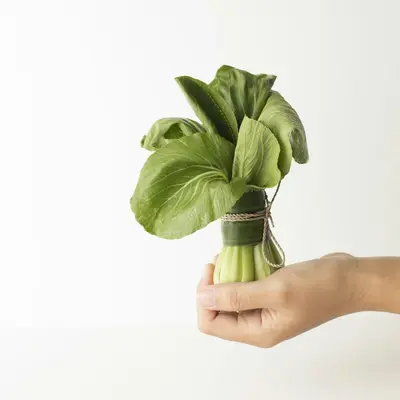
Green-stem cauliflower is popular in Asia, where it is commonly grown. Sweeter and more tender than standard white-stemmed varieties, and with longer stems that are exceptional for dipping. Kitchen prep work is quick, as a few knife strokes will cut most of the florets from the heads. Typically harvested after florets have elongated and curds have started to separate, though harvesting at the same stage as standard types is acceptable. Song TJS-65 performs better in hot weather and below-average fertility than standard types. Also known as sweet stem, soft curd, or loose curd cauliflower.
Harvest
42d
Days to harvest
Sun
Full sun to partial shade
Zones
6–9
USDA hardiness
Height
10-24 inches
Planting Timeline
Showing dates for Song TJS-65 in USDA Zone 7
All Zone 7 brassica →Zone Map
Click a state to update dates
Song TJS-65 · Zones 6–9
Growing Details
Succession Planting
Song TJS-65 matures in 42 days, which is fast enough for two solid successions in a zone 7 Georgia season. Start the first round indoors in late February, transplant in April, and sow a second batch indoors in mid-March for a late May harvest before summer heat arrives. For a fall run, start transplants indoors in late July and get them in the ground by mid-August — you're working backward from first frost and trying to stay ahead of peak heat, since cauliflower heads will button prematurely or refuse to form if daytime highs sit above 80°F during curd development. A September transplant date rarely gives Song TJS-65 enough growing days before cold shuts things down.
Complete Growing Guide
Green-stem cauliflower is popular in Asia, where it is commonly grown. Sweeter and more tender than standard white-stemmed varieties, and with longer stems that are exceptional for dipping. Kitchen prep work is quick, as a few knife strokes will cut most of the florets from the heads. Typically harvested after florets have elongated and curds have started to separate, though harvesting at the same stage as standard types is acceptable. Song TJS-65 performs better in hot weather and below-average fertility than standard types. Also known as sweet stem, soft curd, or loose curd cauliflower. According to Johnny's Selected Seeds, Song TJS-65 is 42 days to maturity, annual, hybrid (f1). Notable features: Heat Tolerant.
Light: Full sun (6 or more hours of direct sunlight a day), Partial Shade (Direct sunlight only part of the day, 2-6 hours). Soil: Clay, Loam (Silt), Sand. Soil pH: Acid (<6.0), Neutral (6.0-8.0). Drainage: Good Drainage, Moist. Height: 0 ft. 10 in. - 2 ft. 0 in.. Spread: 1 ft. 0 in. - 2 ft. 0 in.. Spacing: 12 inches-3 feet. Growth rate: Medium. Maintenance: Medium. Propagation: Seed, Stem Cutting. Regions: Coastal, Mountains, Piedmont.
Harvesting
Song TJS-65 reaches harvest at 42 days from sowing per Johnny's Selected Seeds. As an annual, harvest continues until frost ends the season.
The fruits dry and split when ripe.
Color: Brown/Copper, Green. Type: Siliqua. Length: > 3 inches.
Garden value: Edible
Harvest time: Fall, Summer
Edibility: The foliage is edible raw or cooked but when cooked can emit an unpleasant odor.
Storage & Preservation
Song TJS-65 cauliflower heads store best at 32–35°F with 95% relative humidity in perforated plastic bags or ventilated crates; avoid sealing tightly, as condensation promotes rot. Fresh heads maintain quality for 2–3 weeks under these conditions. For longer preservation, blanch curds for 3–4 minutes, cool quickly in ice water, and freeze in airtight containers for up to 10 months. Freezing is ideal for this variety's tender florets. Pickling works well too: pack blanched florets into hot jars with vinegar brine, process for 10 minutes, and store for several months. Drying is less common but possible if you slice heads thinly and dry at 140–160°F until brittle. Because Song TJS-65 matures quickly at 42 days, harvest heads while curds remain compact and creamy-white; delay harvesting past peak ripeness and they'll become granular and discolor rapidly, reducing storage longevity.
History & Origin
Song TJS-65 is an F1 hybrid developed through controlled cross-pollination. Listed in the Johnny's Selected Seeds catalog.
Origin: W. Europe
Advantages
- +Exceptionally sweet and tender stems ideal for fresh dipping applications
- +Quick harvest and prep with easily separated curds requiring minimal knife work
- +Superior heat tolerance allows reliable production in hot summer conditions
- +Thrives in below-average fertility soils, reducing fertilizer input costs
- +Fast 42-day maturity enables multiple succession plantings per season
Considerations
- -Loose curd structure may reduce shelf life and transport durability
- -Less familiar to Western markets, limiting commercial seed availability and adoption
- -Separated curds are more prone to yellowing and oxidative browning
- -Requires careful timing as over-mature heads become woody and less palatable
Companion Plants
Dill and nasturtiums pull the most weight here — dill draws in parasitic wasps that target cabbageworms and aphids, while nasturtiums act as a trap crop, pulling aphid colonies off the developing heads. French marigolds (Tagetes patula) are worth planting at bed edges; university research supports their role against soil nematodes, and in our zone 7 Georgia gardens, nematode pressure is real enough that the 6–8 inches of bed edge they occupy is a fair trade. Keep tomatoes and mustard well away — mustard is a brassica relative that draws the same flea beetles and Pieris moths straight to your planting, and tomatoes compete for similar nutrient uptake at root depth and can share fungal disease cycles across a crowded bed.
Plant Together
Dill
Attracts beneficial insects like parasitic wasps that control cabbage worms
Onions
Repel cabbage maggots, aphids, and flea beetles with their strong scent
Nasturtiums
Act as trap crop for aphids and flea beetles, drawing pests away from brassicas
Marigolds
Repel nematodes and various garden pests while attracting beneficial insects
Celery
Improves growth and flavor while repelling cabbage white butterflies
Lettuce
Makes efficient use of space as ground cover and has compatible root systems
Spinach
Compatible growth habits and helps maximize garden space utilization
Chamomile
Enhances flavor and growth while attracting beneficial predatory insects
Keep Apart
Tomatoes
Compete for similar nutrients and may stunt brassica growth
Strawberries
Inhibit brassica growth and compete for soil nutrients
Mustard
Attracts same pests like flea beetles and cabbage root maggots
Nutrition Facts
Per 100g serving. % Daily Value based on 2,000 calorie diet. Source: USDA FoodData Central (FDC #747447)
Pests & Disease Resistance
Common Pests
Cabbage worms, flea beetles, cabbage moths, aphids
Diseases
Clubroot, black rot, downy mildew, leaf spot
Troubleshooting Song TJS-65
What you'll see, why it happens, and what to do about it.
Leaves develop yellow, water-soaked patches that turn tan or purple-gray on the underside — usually showing up in cool, wet stretches
Likely Causes
- Downy mildew (Peronospora parasitica) — spores spread fast in humid air and wet foliage
- Overhead irrigation or rain that keeps leaves wet overnight
What to Do
- 1.Switch to drip irrigation or water at the base; wet leaves after sunset accelerate spread significantly
- 2.Pull and trash (not compost) affected outer leaves to slow progression
- 3.Space transplants the full 18–24 inches apart so air can move through the canopy
Plants wilt and yellow starting from the lower leaves; cutting the stem crosswise shows dark tan or brown discoloration in the vascular tissue
Likely Causes
- Black rot (Xanthomonas campestris pv. campestris) — a bacterial disease that enters through leaf margins and moves inward through the vascular system
- Infected transplants or seed brought in from outside
What to Do
- 1.Remove and bag any affected plants immediately — black rot spreads through rain splash and contaminated tools
- 2.Sanitize pruners and knives with a 10% bleach solution between plants
- 3.Rotate this bed out of all brassicas — cabbage, kale, broccoli, turnips — for at least 2 full seasons
Small, irregular holes punched through leaves on seedlings shortly after transplant or direct-sow emergence
Likely Causes
- Flea beetles (Phyllotreta spp.) — tiny, fast-jumping beetles that feed heavily on young brassicas
- Imported cabbageworm (Pieris rapae larvae) on older transplants already past the seedling stage
What to Do
- 1.Cover transplants with floating row cover (Agribon AG-19 or similar) and seal the edges with soil — nothing else comes close for season-long flea beetle control
- 2.For cabbageworm pressure on uncovered plants, apply Bt (Bacillus thuringiensis) at first sign of feeding and reapply after rain
- 3.Check leaf undersides for yellow egg clusters from cabbage moths; crush them before they hatch
Frequently Asked Questions
How long does Song TJS-65 cauliflower take to mature?▼
Is Song TJS-65 cauliflower good for beginners?▼
What makes Song TJS-65 different from regular cauliflower?▼
Can you grow Song TJS-65 cauliflower in containers?▼
What does Song TJS-65 cauliflower taste like?▼
How much sun does Song TJS-65 cauliflower need?▼
Zone-by-Zone Planting Calendar
| Zone | Indoor Start | Transplant | Direct Sow | Harvest |
|---|---|---|---|---|
| Zone 1 | April – May | June – July | June – July | July – September |
| Zone 2 | April – May | June – July | May – July | June – September |
| Zone 11 | January – January | January – February | January – February | January – December |
| Zone 12 | January – January | January – February | January – February | January – December |
| Zone 13 | January – January | January – February | January – February | January – December |
| Zone 3 | March – April | May – June | May – June | June – October |
| Zone 4 | March – April | May – June | April – June | June – October |
| Zone 5 | February – March | April – May | April – May | May – November |
| Zone 6 | February – March | April – May | April – May | May – November |
| Zone 7 | February – March | April – May | March – May | April – November |
| Zone 8 | January – February | March – April | March – April | April – December |
| Zone 9 | January – January | February – March | February – March | March – December |
| Zone 10 | January – January | February – March | January – March | February – December |
Growing Guides from Wind River Greens
Sources & References
External authority sources used in compiling this guide.
- BreederJohnny's Selected Seeds
- USDAUSDA FoodData Central
See the Methodology page for how this data is sourced, what's AI-assisted, and known limitations.