Mrs. Burns' Lemon
Ocimum basilicum var. citriodora
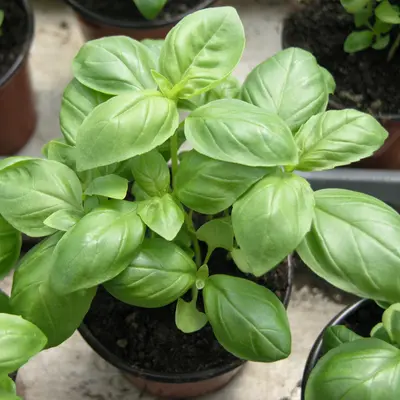
Very bright green, 2 1/2" long leaves with white blooms make this basil both attractive and intensely flavorful. Ht. 20-24".Edible Flowers: Use the flowers in any recipe that calls for basil, or to garnish drinks, salads, soups, pasta, and desserts. Flavor is of intense basil and citrus.
Harvest
60d
Days to harvest
Sun
Full sun to partial shade
Zones
10–10
USDA hardiness
Height
0-3 feet
Planting Timeline
Showing dates for Mrs. Burns' Lemon in USDA Zone 7
All Zone 7 herb →Zone Map
Click a state to update dates
Mrs. Burns' Lemon · Zones 10–10
Growing Details
Succession Planting
Mrs. Burns' Lemon is a warm-season annual that keeps producing as long as you keep it from flowering — so succession planting isn't really the lever here. One or two plants, pinched regularly to prevent bolting, will give you continuous harvests from transplant (April–June in zone 7) through November. Pinch flower spikes the moment they form; that single habit extends the productive life of each plant by several weeks.
If you want a backup plant in case Fusarium wilt takes one early, start a second round of seeds indoors about 60 days before your first expected fall frost date — mid-to-late July for most of zone 7. Skip direct sowing at that point; soil temps above 95°F stall germination, and basil seed sprouts most reliably between 70°F and 85°F.
Complete Growing Guide
Mrs. Burns' Lemon basil performs best when started indoors about six to eight weeks before your last spring frost date. While you can direct sow seeds into the garden after all frost danger has passed and soil has warmed to at least 70°F, starting seeds indoors gives you a head start and ensures robust transplants ready to produce those distinctive bright green leaves within 60 days of planting out. Harden off seedlings gradually over a week before moving them to their permanent location.
Space Mrs. Burns' Lemon plants about 12 inches apart to allow air circulation around their bushy 20-24 inch frames. This cultivar, with its robust growth habit, needs slightly more breathing room than compact basil varieties. Direct sow seeds about a quarter-inch deep in rich, well-draining soil amended with compost or aged manure. This basil variety appreciates fertile soil and won't reach its full potential in depleted garden beds. Ensure your planting area receives full sun—at least six to eight hours daily—to develop the intense citrus flavor Mrs. Burns' Lemon is known for.
Water consistently, aiming for about one inch per week through rainfall or irrigation. Keep soil evenly moist but not waterlogged, as this variety, like most basils, dislikes sitting in wet conditions. Begin feeding every two weeks once plants are established, using a balanced, half-strength liquid fertilizer to encourage vigorous foliage production without sacrificing flavor concentration.
Mrs. Burns' Lemon occasionally attracts Japanese beetles, which seem particularly drawn to its aromatic leaves. Monitor plants regularly and handpick beetles in early morning when they're sluggish, or use neem oil if infestations develop. Watch for powdery mildew during humid periods—this cultivar's dense foliage and citrus-scented oils can create microclimates that favor fungal development. Improve air circulation through strategic pruning and avoid overhead watering.
Pinch off flower buds regularly to extend the leaf-harvesting season, though the white blooms are genuinely ornamental and edible with intense basil-citrus flavor, making them worth saving for special garnishes. Once plants are 6-8 inches tall, begin harvesting leaves from the top to encourage bushier growth and prevent early flowering. Succession planting every three weeks through midsummer provides continuous harvests of fresh leaves for your kitchen.
Many gardeners underestimate how much Mrs. Burns' Lemon needs consistent moisture combined with excellent drainage. Unlike some heat-loving herbs that tolerate drought, this variety performs poorly when water stress occurs, becoming stringy and losing its signature bright color and intense flavor. Even one dry spell can diminish the plant's productivity for the remainder of the season.
Harvesting
Mrs. Burns' Lemon reaches harvest at 60 days from sowing per Johnny's Selected Seeds. Expect 2 1/2" at peak. As an annual, harvest continues until frost ends the season.
Edibility: Leaves and flowers in tea, as flavoring
Storage & Preservation
Store freshly harvested Mrs. Burns' Lemon basil leaves in a sealed plastic bag or container at 40–50°F with 90–95% humidity; they'll keep for up to two weeks refrigerated. For longer preservation, freezing works best: blanch leaves briefly, pat dry, and freeze in ice cube trays with water or oil for convenient portioning into winter teas and dishes. Drying is equally effective—hang bundles in a warm, well-ventilated space or use a low-temperature dehydrator until crisp, then store in airtight jars away from light. Lemon basil's volatile citral oils are delicate, so avoid high-heat processing; gentle drying at under 95°F preserves the bright lemon aromatics better than harsh methods. The fragrance fades noticeably after six months of storage, so use dried material within a year for peak flavor.
History & Origin
Mrs. Burns' Lemon is open-pollinated, meaning seed saved from healthy plants will produce true-to-type offspring. Listed in the Johnny's Selected Seeds catalog.
Origin: Tropical Africa and Asia
Advantages
- +Intense dual basil-citrus flavor distinguishes this variety from standard basil cultivars.
- +Edible white flowers add ornamental appeal and culinary versatility to dishes.
- +Bright green foliage creates attractive garden displays while remaining highly productive.
- +Easy 60-day maturity makes this ideal for beginning and experienced gardeners.
- +Flowers work beautifully as garnish for drinks, desserts, and sophisticated plated dishes.
Considerations
- -Tall 20-24" height requires staking or support in windy garden locations.
- -Lemon basil tends to bolt quickly in hot weather, reducing leaf production.
- -Citriodora varieties are more cold-sensitive than sweet basil, limiting season length.
- -Intense flavor profile may overpower delicate dishes requiring subtle basil notes.
Companion Plants
French marigolds planted within a foot or two of Mrs. Burns' Lemon help deter aphids and whiteflies through volatile chemical compounds, and NC State Extension's IPM guidance points to dense marigold plantings as a tool for broader soil pest suppression. Rosemary, thyme, and oregano are solid neighbors for a different reason: they share the same full-sun, well-drained, go-easy-on-the-water requirements, so you're not managing competing moisture demands across the same bed. Nasturtiums pull their weight as a trap crop — aphids cluster on them preferentially, which lets you catch an infestation early and pull the nasturtium before it spreads to the basil.
Fennel is the one to avoid. It releases allelopathic compounds from its roots that suppress neighboring plants, and basil responds badly to it — keep them on opposite ends of the garden entirely. Black walnut is a problem at a different scale: the juglone it produces through its root system damages most herbs planted within its drip zone, so site Mrs. Burns' Lemon well clear of any established tree.
Plant Together
Basil
Repels aphids and whiteflies while enhancing citrus flavor profile
Rosemary
Deters spider mites and scale insects with strong aromatic oils
Lavender
Attracts beneficial pollinators and repels ants and moths
Marigold
Controls nematodes and repels citrus-damaging whiteflies
Chives
Repels aphids and improves soil health around citrus roots
Nasturtium
Acts as trap crop for aphids and adds nitrogen to soil
Oregano
Deters citrus pests and attracts predatory insects
Thyme
Repels cabbage worms and enhances overall plant vigor
Keep Apart
Black Walnut
Releases juglone toxin that inhibits citrus growth and development
Fennel
Produces allelopathic compounds that stunt citrus plant growth
Eucalyptus
Competes aggressively for water and releases growth-inhibiting chemicals
Nutrition Facts
Per 100g serving. % Daily Value based on 2,000 calorie diet. Source: USDA FoodData Central (FDC #167747)
Pests & Disease Resistance
Common Pests
Japanese beetles, spider mites, whiteflies, aphids
Diseases
Fusarium wilt, powdery mildew, root rot
Troubleshooting Mrs. Burns' Lemon
What you'll see, why it happens, and what to do about it.
Stems collapsing at the soil line, plant wilts and dies even with adequate water, usually 30–50 days after transplant
Likely Causes
- Fusarium wilt (Fusarium oxysporum) — soil-borne fungus that clogs the vascular tissue
- Root rot from consistently waterlogged soil, especially in heavy clay
What to Do
- 1.Pull and bag the plant — don't compost it, the pathogen persists
- 2.Improve drainage before replanting: amend with perlite or coarse sand, or move to a raised bed
- 3.Rotate basil out of that bed for at least 3 seasons; Fusarium spores survive a long time in soil
White powdery coating on upper leaf surfaces, often appearing late summer when nights cool down
Likely Causes
- Powdery mildew — a fungal disease that spreads via airborne spores and hits hardest when humidity is high and airflow is poor
- Crowded spacing below the 12-inch minimum, which traps moisture between plants
What to Do
- 1.Mix 1 tablespoon baking soda plus 1 tablespoon summer horticultural oil per gallon of water and spray every 3 to 5 days as a preventive — NC State Extension notes this combination works against powdery mildew and the oil acts as a surfactant to help it stick
- 2.Don't exceed those concentrations or you'll scorch the leaves
- 3.Thin plants to at least 12 inches apart and strip heavily infected leaves before spraying
Leaves stippled or bronzed, fine webbing on the undersides, plant looks dusty and tired in hot dry stretches
Likely Causes
- Spider mites (Tetranychus urticae) — populations explode in hot, dry conditions above 85°F
- Whiteflies can cause similar stippling but tend to cluster on undersides without webbing
What to Do
- 1.Blast the undersides of leaves with a strong stream of water — knocks mite populations back fast
- 2.Apply insecticidal soap to the undersides of leaves; it also doubles as the surfactant in any baking soda fungicide mix you're already using
- 3.Keep soil consistently moist — drought-stressed plants are more vulnerable to mite outbreaks than well-watered ones
Frequently Asked Questions
How long does Mrs. Burns' Lemon basil take to harvest?▼
What does Mrs. Burns' Lemon basil taste like?▼
Is Mrs. Burns' Lemon basil good for beginners?▼
Can you grow Mrs. Burns' Lemon basil in containers?▼
What are the culinary uses for Mrs. Burns' Lemon basil?▼
When should I plant Mrs. Burns' Lemon basil?▼
Zone-by-Zone Planting Calendar
| Zone | Indoor Start | Transplant | Direct Sow | Harvest |
|---|---|---|---|---|
| Zone 3 | April – May | June – July | — | July – October |
| Zone 4 | March – April | June – July | — | July – October |
| Zone 5 | March – April | May – June | — | June – October |
| Zone 6 | March – April | May – June | — | June – November |
| Zone 7 | February – March | April – June | — | June – November |
| Zone 8 | February – March | April – May | — | May – December |
| Zone 9 | January – February | March – April | — | April – December |
| Zone 10 | January – January | February – April | — | April – December |
Growing Guides from Wind River Greens
Sources & References
External authority sources used in compiling this guide.
- BreederJohnny's Selected Seeds
- USDAUSDA FoodData Central
See the Methodology page for how this data is sourced, what's AI-assisted, and known limitations.