Nasturtium Alaska Mix
Tropaeolum majus 'Alaska Mix'
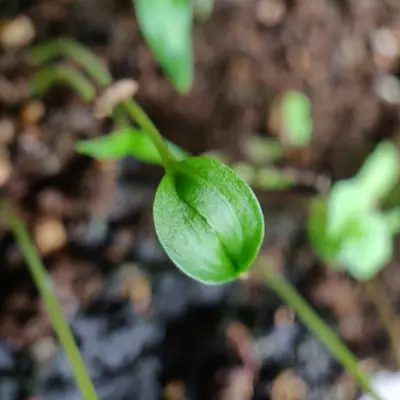
This stunning variety combines the classic peppery-flavored edible flowers of nasturtiums with uniquely variegated cream and green foliage that's as ornamental as the blooms. The compact, bushy plants produce abundant flowers in jewel tones while serving as a living mulch and natural pest deterrent.
Harvest
50-65d
Days to harvest
Sun
Full sun to partial shade
Zones
2–11
USDA hardiness
Height
1-10 feet
Planting Timeline
Showing dates for Nasturtium Alaska Mix in USDA Zone 7
All Zone 7 flower →Zone Map
Click a state to update dates
Nasturtium Alaska Mix · Zones 2–11
Growing Details
Succession Planting
Direct sow every 2-3 weeks from April 1 through early June in zone 7, and stop once daytime highs are consistently clearing 85°F — above that threshold, bloom production drops sharply and plants mostly idle until temperatures fall. A sowing in late August or early September can give you a solid fall flush before first frost, and those fall plants often have better foliage color than the spring ones.
Don't try to push a July sowing in hot climates hoping to bridge the gap. The seeds will germinate fine, but you'll get leggy, sparse plants that don't hit their stride until the weather cooperates — usually not until mid-September. Better to use that bed space for a heat-tolerant crop and come back to nasturtiums in late summer.
Complete Growing Guide
Light: Full sun (6 or more hours of direct sunlight a day), Partial Shade (Direct sunlight only part of the day, 2-6 hours). Soil: Loam (Silt), Sand. Soil pH: Acid (<6.0), Alkaline (>8.0), Neutral (6.0-8.0). Drainage: Good Drainage. Height: 1 ft. 0 in. - 10 ft. 0 in.. Spread: 1 ft. 0 in. - 3 ft. 0 in.. Spacing: Less than 12 inches, 12 inches-3 feet. Growth rate: Rapid. Maintenance: Low. Propagation: Seed. Regions: Coastal, Mountains, Piedmont.
Harvesting
Edibility: All parts, with exception of the roots, are edible. It has a spicy flavor.
History & Origin
The 'Alaska' series represents a significant development in ornamental nasturtium breeding, emerging from early twentieth-century horticultural efforts to enhance foliage appeal alongside traditional flower performance. While specific breeder attribution remains obscured in historical records, the variegated cream-and-green leaf pattern characteristic of 'Alaska Mix' reflects deliberate selection within broader European and American seed company breeding programs focused on compact, decorative forms. The variety likely descends from selections within *Tropaeolum majus* germplasm that emphasized both leaf variegation and dwarf growth habits, traits valued by Victorian and Edwardian gardeners. The 'Mix' designation indicates modern seed company standardization, suggesting contemporary reselection or cross-pollination practices that preserve the heirloom's distinctive appearance while ensuring reliable performance in diverse growing conditions.
Origin: Central and South America
Advantages
- +Attracts: Butterflies, Hummingbirds, Pollinators
- +Edible: All parts, with exception of the roots, are edible. It has a spicy flavor.
- +Fast-growing
- +Low maintenance
Companion Plants
Nasturtiums pull their weight near tomatoes, cucumbers, squash, and brassicas like cabbage and broccoli primarily because aphids find them more appealing than most food crops. Plant a few around the perimeter of a bed and you'll often see the aphid pressure concentrate there instead of spreading thinly across 40 plants you actually intend to harvest. It's not a guarantee, but it trades a diffuse problem for a contained one — and once the nasturtiums are loaded up, you cut the infested stems, bag them, and you're done. Radishes work well in the same bed for a different reason: flea beetles (Phyllotreta species) are drawn to both plants, and splitting their attention reduces the damage either one takes alone.
Beans and squash are compatible mostly because they don't compete on the same terms. Nasturtiums do best in lean, drier soil — pH 6.1 to 7.8, low fertility — and won't fight hard for resources with pole beans climbing upward or squash sprawling outward. Marigolds (Tagetes species) fit for the same reason: different root depths, no allelopathic conflict, and the two together create a dense ground-level planting that slows pest movement through the bed.
Sunflowers cause problems because they release allelopathic compounds from their roots and decomposing tissue that can suppress neighboring plants — keep at least 18-24 inches of separation. Black walnut (Juglans nigra) is a harder limit. The tree produces juglone, and its root zone extends well past the canopy edge; nasturtiums planted anywhere in that zone are likely to stunt out or die without any obvious explanation. If you're losing plants near an established walnut and can't figure out why, that's probably it.
Plant Together
Tomatoes
Nasturtiums trap aphids and cucumber beetles, protecting tomato plants
Cucumbers
Repels cucumber beetles, squash bugs, and striped pumpkin beetles
Radishes
Nasturtiums improve radish flavor and repel flea beetles
Cabbage
Acts as trap crop for aphids and repels cabbage worms and flea beetles
Beans
Repels aphids and Mexican bean beetles while attracting beneficial predatory insects
Squash
Deters squash bugs, cucumber beetles, and aphids from squash plants
Marigolds
Both repel similar pests and attract beneficial pollinators and predatory insects
Broccoli
Repels aphids, flea beetles, and cabbage worms that commonly attack brassicas
Keep Apart
Sunflowers
Allelopathic compounds inhibit nasturtium germination and growth
Black Walnut
Produces juglone which is toxic to nasturtiums and causes wilting
Cauliflower
May compete for nutrients and space, reducing flowering of nasturtiums
Pests & Disease Resistance
Resistance
Generally disease resistant, may get bacterial leaf spot in humid conditions
Common Pests
Aphids, flea beetles, cabbage worms
Diseases
Bacterial leaf spot, mosaic virus
Troubleshooting Nasturtium Alaska Mix
What you'll see, why it happens, and what to do about it.
Clusters of small soft-bodied insects packed onto stems and the undersides of new leaves, often with sticky residue or ants trailing up the plant
Likely Causes
- Aphid infestation (commonly Myzus persicae or Aphis nasturtii) — nasturtiums are notorious aphid magnets, sometimes deliberately so
- Ants farming the aphid colonies for honeydew, which protects the aphids from predators
What to Do
- 1.If you planted nasturtiums as a trap crop for nearby brassicas or tomatoes, let the aphids congregate and then cut the infested stems and bag them — that's the whole point
- 2.If you want the nasturtiums themselves to thrive, blast aphids off with a strong jet of water every 2-3 days until predator populations (lacewings, ladybugs) catch up
- 3.Knock back the ants with a sticky barrier around the base of nearby plants so they stop interfering with natural predators
Small, irregular holes punched through leaves — looks almost like the leaf was hit with a fine grater — appearing within the first few weeks after germination
Likely Causes
- Flea beetles (Phyllotreta species) — tiny, fast-jumping beetles that feed heavily on young seedlings
- Dry soil stress, which slows plant growth and lets flea beetle damage outpace recovery
What to Do
- 1.Cover seedlings with row cover immediately after direct sowing; remove once plants are well established (6+ inches tall) and better able to outgrow the damage
- 2.Keep soil consistently moist during the first 3 weeks — a seedling at 7-10 days old can be killed by flea beetle pressure that a vigorous plant would shrug off
- 3.Interplant with radishes, which flea beetles often prefer even more than nasturtiums
Irregular water-soaked spots on leaves that turn brown and papery, sometimes with a yellow halo, not following any pattern related to leaf age or position
Likely Causes
- Bacterial leaf spot (Pseudomonas syringae or Xanthomonas species) — spreads by rain splash and overhead watering
- Dense planting at under 8 inches spacing that traps moisture and restricts airflow
What to Do
- 1.Water at the base of the plant, not overhead — a soaker hose or drip line is better than a sprinkler for any nasturtium bed you care about
- 2.Remove and bin (don't compost) the worst-affected leaves to slow spread
- 3.Thin plants to at least 8-12 inches apart if you haven't already; airflow is the main lever you have against bacterial spread
Frequently Asked Questions
How long does Nasturtium Alaska Mix take to grow?▼
Can you grow Nasturtium Alaska Mix in containers?▼
What does Nasturtium Alaska Mix taste like?▼
Is Nasturtium Alaska Mix good for beginners?▼
When should I plant Nasturtium Alaska Mix seeds?▼
Do Nasturtium Alaska Mix plants really repel pests?▼
Zone-by-Zone Planting Calendar
| Zone | Indoor Start | Transplant | Direct Sow | Harvest |
|---|---|---|---|---|
| Zone 1 | May – June | July – August | July – September | — |
| Zone 2 | April – May | June – July | June – August | — |
| Zone 11 | January – January | January – February | January – March | — |
| Zone 12 | January – January | January – February | January – March | — |
| Zone 13 | January – January | January – February | January – March | — |
| Zone 3 | April – May | June – July | June – August | — |
| Zone 4 | March – April | June – June | June – July | — |
| Zone 5 | March – April | May – June | May – July | — |
| Zone 6 | March – April | May – June | May – July | — |
| Zone 7 | February – March | April – May | April – June | — |
| Zone 8 | February – March | April – May | April – June | — |
| Zone 9 | January – February | March – April | March – May | — |
| Zone 10 | January – January | February – March | February – April | — |