Tatsoi
Brassica rapa var. narinosa
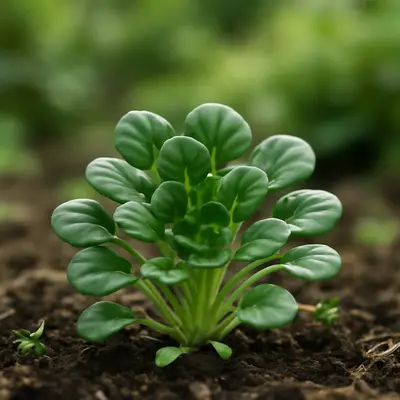
Tatsoi is a delicate Asian microgreen variety with distinctive spoon-shaped leaves and tender stems. Ready to harvest in just 10 days, it offers a mild, delicate flavor with a satisfying crunch. The juicy stems and elegant appearance make it a versatile garnish for salads, stir-fries, and Asian dishes. Easy to grow, this heirloom variety thrives in full sun to partial shade, making it ideal for both home gardeners and commercial microgreen production.
Harvest
10d
Days to harvest
Sun
Full sun to part shade
Zones
5–9
USDA hardiness
Height
3 feet
Planting Timeline
Showing dates for Tatsoi in USDA Zone 7
All Zone 7 microgreen →Zone Map
Click a state to update dates
Tatsoi · Zones 5–9
Growing Details
Succession Planting
Tatsoi microgreens are about as succession-dependent as a crop gets — sow a new 10x20 tray every 5-7 days year-round if you want continuous harvest, since indoor trays don't care about the calendar. I keep two trays staggered: one seeded, one harvesting. Cut at day 10-12 when the true leaves are just showing.
If you're growing on a sunny windowsill rather than under lights, slow the cadence to every 10 days in December and January — shorter days mean leggier, paler trays, and you'll want to give each one a little extra time.
Complete Growing Guide
Tatsoi microgreens are best started indoors through direct sowing, making them an excellent choice for year-round cultivation regardless of outdoor conditions. You can begin sowing seeds anytime, though many growers prefer starting them 2-3 weeks before they want to harvest, allowing flexibility in timing around your meal planning rather than being bound to traditional frost dates. Unlike many crops, tatsoi's microgreen stage bypasses frost concerns entirely since you'll harvest at just 10 days, well before any transplanting would occur.
For soil preparation, use a light, well-draining potting mix rather than dense garden soil, which will compact and restrict the growth of these delicate seedlings. Spread seeds densely and evenly across your growing medium—tatsoi's tightly cupped leaves actually benefit from slight crowding, which encourages them to grow upright rather than sprawling. Press seeds gently into the soil surface at a depth of only 1/8 inch; they need light to germinate properly. Water thoroughly but gently immediately after sowing using a fine mist to avoid displacing the seeds.
Maintain consistent moisture throughout the growing period, checking daily since microgreens dry out quickly. The soil should feel like a wrung-out sponge—wet enough to support growth but not waterlogged, which causes rot. Tatsoi microgreens don't require feeding during their brief 10-day cycle if you're using quality potting mix with built-in nutrients, so skip the fertilizer to keep things simple.
Position your trays in full sun to part shade, though providing bright indirect light or supplemental grow lights accelerates growth and deepens the green coloration of those distinctive rounded leaves. The crunchy, juicy stems everyone loves develop best with adequate light.
Watch specifically for damping-off disease, which is more problematic in tatsoi microgreens than in many other brassicas due to their dense spacing and rapid growth cycle. Ensure excellent air circulation with a small fan and avoid overwatering, as this fungal issue thrives in warm, wet conditions. Additionally, tatsoi's reputation as the fastest bolting variety means timing matters; don't let harvested trays sit in warm conditions, or mature plants will quickly flower and become bitter.
The most common mistake gardeners make with tatsoi microgreens is harvesting too early, before those characteristic light green and white stems fully develop their juicy texture. Wait the full 10 days even if the greens look ready at day 8—the stem development during that final stretch is what makes tatsoi special. Harvest just above soil level with sharp scissors when the first true leaves appear alongside the seed leaves, and refrigerate immediately to maintain crispness.
Harvesting
Tatsoi microgreens reach peak harvest around day 10, when their distinctive spoon-shaped cotyledons display a deep green color and stand firm yet tender to the touch. You'll know they're ready when the first true leaves begin emerging between the cotyledons—this is your signal to act. The stems should feel crisp and snap cleanly when bent, not wilted or rubbery.
Harvest in the early morning after dew dries but before midday heat, when moisture content is optimal and stems are most brittle. This timing prevents wilting and extends shelf life significantly.
Use clean, sharp scissors to cut tatsoi microgreens just above the soil line or germination medium. Avoid yanking or twisting, which damages remaining roots and destabilizes neighboring seedlings. Cut in gentle downward strokes, working methodically across your growing tray to ensure even harvesting.
Tatsoi doesn't regrow vigorously after cutting, so plan for single-harvest use. Once you've cut most of the tray, compost the remaining roots and medium—the brassica roots won't regenerate substantial green matter. Timing your next seeding 7-10 days before your previous harvest ensures continuous supply without gaps.
Storage & Preservation
# Storage and Preservation
Store freshly harvested tatsoi microgreens in a breathable container lined with paper towels at 32–40°F with 95% humidity—a sealed plastic clamshell works well if you crack the lid slightly to prevent condensation. Expect 5–7 days of peak freshness when kept properly chilled; quality declines noticeably after day 10.
For longer preservation, freezing is most practical: blanch briefly in boiling water (90 seconds), shock in ice water, drain thoroughly, and freeze in airtight bags for up to three months. The tender leaves will lose their crisp texture but retain nutritional value and work well in smoothies, soups, and cooked dishes.
Drying is also viable—spread on a dehydrator tray at 95–105°F until brittle (4–6 hours), then store in an airtight jar away from light. Dried tatsoi adds concentrated mustard-like flavor to broths and grain bowls. Fermentation is less common for microgreens but possible; submerge in 3–5% saltwater brine for a tangy result within 3–7 days.
History & Origin
Tatsoi (Brassica rapa var. narinosa) is a leafy Asian green with origins in East Asia, particularly China, where it has been cultivated for centuries as part of traditional vegetable cuisine. The variety belongs to the diverse Brassica rapa species, which encompasses numerous Asian brassicas including bok choy and mizuna. While the specific origins of this particular cultivar are not well documented, tatsoi entered Western markets during the late 20th century as interest in Asian cuisines and specialty greens expanded. The microgreen version has gained popularity in modern culinary settings due to its tender texture, mild flavor, and visual appeal. This cultivar represents the adaptation of a traditional Asian green into contemporary microgreens production, valued by chefs and home gardeners for its early maturity and distinctive spoon-shaped leaves.
Advantages
- +Extremely fast harvest at just 10 days saves time and resources
- +Mild flavor pairs well with diverse cuisines and delicate dishes
- +Crunchy juicy stems provide appealing texture contrast to soft leaves
- +Very easy difficulty level makes it perfect for beginner growers
Considerations
- -Fastest bolting tendency means narrow harvest window for peak quality
- -Light colored stems may show contamination or mold more visibly
- -Mild flavor lacks distinctive taste profile some customers actively seek
Companion Plants
For microgreen trays, "companions" really means what you can sow in the same flat or rotate through the same shelf without trouble. Tatsoi pairs well with other small-seeded brassicas and tender greens — arugula and radish germinate on a similar 3-5 day clock, so a mixed tray hits harvest height together around day 10. Lettuce and spinach are slower and slightly taller at cut, but the textures play nicely in a salad mix. Cilantro and dill are mostly flavor partners at harvest, not field partners; their seeds are bigger and slower and they'll lag a tray badly if you sow them in the same flat.
The harmful list is mostly about scale-up — if you're moving tatsoi out to a bed, fennel suppresses most neighbors through allelopathy (it leaches inhibitory compounds from its roots), and strawberries share Botrytis cinerea problems you don't want near damp microgreen trays. Mustard greens are flagged because in our zone 7 Georgia garden they share every flea beetle and aphid in the county, though for indoor trays that's a non-issue.
Plant Together
Lettuce
Similar growing conditions and harvest timing, compatible root systems
Radish
Quick germination helps break soil crust for tatsoi seeds, pest deterrent
Spinach
Similar cool-season preferences and water requirements
Arugula
Compatible brassica family member with similar growing needs
Chives
Repels aphids and flea beetles that commonly attack brassicas
Dill
Attracts beneficial insects and may repel cabbage pests
Cilantro
Cool-season herb that attracts beneficial predatory insects
Nasturtium
Acts as trap crop for aphids and flea beetles
Keep Apart
Mustard Greens
Competition for nutrients and potential for shared brassica-specific diseases
Fennel
Allelopathic properties inhibit growth of most vegetables including brassicas
Strawberry
Different water and nutrient requirements may stunt microgreen growth
Nutrition Facts
Per 100g serving. % Daily Value based on 2,000 calorie diet. Source: USDA FoodData Central (FDC #167782)
Pests & Disease Resistance
Diseases
Damping off, mold
Troubleshooting Tatsoi
What you'll see, why it happens, and what to do about it.
Seedlings flop over at the soil line within 3-5 days of germination, stems look pinched and water-soaked
Likely Causes
- Damping off (Pythium or Rhizoctonia) — classic microgreen killer in humid trays
- Humidity dome left on too long after germination
- Soil staying saturated with no air movement
What to Do
- 1.Pull the dome the moment you see 50% germination, not later
- 2.Run a small clip fan on the trays 24/7 — even gentle airflow shuts damping off down
- 3.Bottom-water only, and let the surface dry slightly between waterings; sterilize trays with a 10% bleach rinse between sowings
Fuzzy white growth on the soil surface around day 4-6, sometimes mistaken for mold
Likely Causes
- Root hairs (harmless, fuzzy halo right at the stem — not actual mold)
- Saprophytic mold from over-wet medium and stagnant air
- Old or contaminated seed
What to Do
- 1.Mist lightly with water — root hairs lie back down, actual mold doesn't
- 2.Drop watering frequency and add airflow; if it's true mold, toss the tray and start over rather than trying to salvage
- 3.Buy seed labeled for sprouting/microgreen use — it's tested for pathogen load
Frequently Asked Questions
How long does it take to grow Tatsoi microgreens?▼
Can you grow Tatsoi microgreens in containers?▼
What does Tatsoi microgreen taste like?▼
Do Tatsoi microgreens bolt quickly?▼
How much light do Tatsoi microgreens need?▼
Zone-by-Zone Planting Calendar
| Zone | Indoor Start | Transplant | Direct Sow | Harvest |
|---|---|---|---|---|
| Zone 3 | January – December | — | — | January – December |
| Zone 4 | January – December | — | — | January – December |
| Zone 5 | January – December | — | — | January – December |
| Zone 6 | January – December | — | — | January – December |
| Zone 7 | January – December | — | — | January – December |
| Zone 8 | January – December | — | — | January – December |
| Zone 9 | January – December | — | — | January – December |
| Zone 10 | January – December | — | — | January – December |
| Zone 1 | January – December | — | — | January – December |
| Zone 2 | January – December | — | — | January – December |
| Zone 11 | January – December | — | — | January – December |
| Zone 12 | January – December | — | — | January – December |
| Zone 13 | January – December | — | — | January – December |
Growing Guides from Wind River Greens
Sources & References
External authority sources used in compiling this guide.
- BreederJohnny's Selected Seeds
- USDAUSDA FoodData Central
See the Methodology page for how this data is sourced, what's AI-assisted, and known limitations.