American Linden
Tilia americana
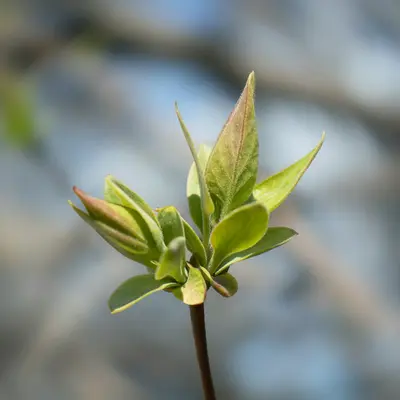
A fast-growing native shade tree beloved for its heart-shaped leaves and incredibly fragrant summer flowers that attract bees from miles around. Also known as Basswood, this stately tree creates dense, cooling shade and produces clusters of small, sweet-scented yellow flowers in late June. The smooth bark and uniform growth habit make it an excellent choice for street plantings and large yards.
Sun
Full sun to partial shade
Zones
3–8
USDA hardiness
Height
60-80 feet
Planting Timeline
Showing dates for American Linden in USDA Zone 7
All Zone 7 shade-tree →Zone Map
Click a state to update dates
American Linden · Zones 3–8
Growing Details
Complete Growing Guide
Light: Full sun (6 or more hours of direct sunlight a day), Partial Shade (Direct sunlight only part of the day, 2-6 hours). Soil: Clay, Loam (Silt), Sand. Soil pH: Acid (<6.0), Alkaline (>8.0), Neutral (6.0-8.0). Drainage: Good Drainage, Moist, Occasionally Dry. Height: 60 ft. 0 in. - 80 ft. 0 in.. Spread: 30 ft. 0 in. - 60 ft. 0 in.. Spacing: 24-60 feet, more than 60 feet. Growth rate: Medium. Maintenance: Low. Propagation: Seed. Regions: Coastal, Mountains, Piedmont.
Harvesting
The fruit is a small, globose, downy, hard and dry cream-colored nutlet about the size of a pea suspended on a stalk attached to persistent bracts that act as wings to help them be distributed by the wind. In North Carolina, fruits are available from July to August.
Color: Brown/Copper. Type: Nut.
Harvest time: Summer
Edibility: Dried flowers are used to make teas but over-use can cause heart damage. Syrup can be made from the sweet tree sap. Honey from this tree is prized for flavor. Leaves can be used in salads.
Storage & Preservation
American Linden is a shade tree and does not require storage or preservation in the traditional sense. However, seeds can be collected in fall and stored in cool, dry conditions (32-41°F) with low humidity. Stratification is recommended: store seeds moist in refrigeration for 30 days before spring planting. Freshly collected seeds can also be sown immediately in autumn for natural cold stratification over winter. Properly stored seeds remain viable for 1-2 years when kept in sealed containers in cool conditions.
History & Origin
Origin: Central and eastern North America.
Advantages
- +Attracts: Bees, Butterflies, Pollinators, Small Mammals, Songbirds
- +Edible: Dried flowers are used to make teas but over-use can cause heart damage. Syrup can be made from the sweet tree sap. Honey from this tree is prized for flavor. Leaves can be used in salads.
- +Low maintenance
Companion Plants
Shade-tolerant perennials are the natural fit under a linden's canopy. Hosta, Astilbe, Wild Ginger, and Ferns all handle the dry shade that develops under a large tree's drip line — in our zone 7 Georgia summers, the soil beneath a mature linden can shed rain rather than absorb it, so plants that evolved under a forest canopy do far better there than sun-lovers that'll just sulk. Coral Bells and Trillium fill in the mid-layer without competing for the deep moisture the linden's roots are pulling from 3-4 feet down. Serviceberry makes sense at the canopy edge: it blooms weeks before the linden leafs out fully, draws early-season pollinators, and its shallow root system doesn't tangle with the linden's.
Black Walnut is the one to keep well away — it produces juglone, a root-exuded compound that stresses or kills a wide range of plants, and a young linden in its zone of influence may decline before you figure out why. Pine is a different problem: decades of needle drop push soil pH below 6.0, outside the range lindens tolerate. Tomatoes don't harm the linden directly, but they're juglone-sensitive themselves and belong nowhere near the root zone of any walnut-family planting anyway.
Plant Together
Hosta
Thrives in the dappled shade provided by linden, creates attractive understory planting
Astilbe
Enjoys partial shade conditions under linden canopy, adds colorful flower spikes
Wild Ginger
Native groundcover that tolerates deep shade and helps suppress weeds
Coral Bells
Shade-tolerant perennial that provides colorful foliage contrast year-round
Ferns
Natural woodland companions that thrive in the moist, shaded environment
Trillium
Native spring ephemeral that blooms before linden leafs out, creating seasonal interest
Serviceberry
Compatible native understory tree that provides wildlife food and spring flowers
Impatiens
Shade-loving annual that provides continuous color in filtered light conditions
Keep Apart
Black Walnut
Produces juglone which is toxic to linden trees and inhibits their growth
Tomatoes
Cannot tolerate the dense shade cast by mature linden trees
Pine Trees
Create acidic soil conditions that American Linden does not prefer
Eucalyptus
Releases allelopathic compounds that can inhibit growth of nearby trees
Pests & Disease Resistance
Resistance
Generally disease resistant
Common Pests
Aphids, Japanese beetles, linden borers
Diseases
Leaf blight, powdery mildew, verticillium wilt
Troubleshooting American Linden
What you'll see, why it happens, and what to do about it.
Sticky residue on leaves and branches, often with a black sooty coating, late spring through summer
Likely Causes
- Aphid colonies (commonly linden aphid, Eucallipterus tiliae) feeding on new growth and excreting honeydew
- Sooty mold (Capnodium spp.) colonizing the honeydew deposits
What to Do
- 1.Blast colonies off with a strong stream of water from a hose — repeat every 3-4 days until pressure drops
- 2.If the tree is young enough to reach, spray with insecticidal soap, making sure to coat the undersides of leaves
- 3.On established trees, encourage parasitic wasps and lacewings by leaving flowering plants nearby; heavy aphid years usually self-correct by July
Ragged holes chewed in leaf edges and between veins, skeletonized patches, appearing mid-June through August
Likely Causes
- Japanese beetles (Popillia japonica) — lindens are among their preferred feeding trees
- Adult beetles aggregate, so damage compounds fast once a few land
What to Do
- 1.Hand-pick beetles into soapy water early morning when they're sluggish — effective on young trees under 15 feet
- 2.Do NOT set Japanese beetle traps near the tree; University of Kentucky Extension research shows traps draw in more beetles than they ever catch
- 3.Apply beneficial nematodes (Heterorhabditis bacteriophora) to the surrounding lawn soil in late August to target grubs before they overwinter
Sawdust-like frass at the base of the trunk or packed into bark crevices, with small entry holes visible in the outer bark
Likely Causes
- Linden borer (Saperda vestita) — larvae tunnel into the cambium layer, girdling branches or the main trunk over time
- Drought-stressed trees are significantly more vulnerable; a linden pulling from dry soil puts out chemical signals that attract egg-laying adults
What to Do
- 1.Water deeply during dry stretches — a slow trickle for 45-60 minutes at the drip line does more than a quick surface spray
- 2.Prune and destroy any infested branches below the entry point; bag the wood before moving it off-site
- 3.Protect bark from mower and string-trimmer wounds, which are the primary egg-laying sites for adult borers
White powdery coating on leaf surfaces, most noticeable in late summer, sometimes with curling or distortion on new growth
Likely Causes
- Powdery mildew (Erysiphe tiliae) — thrives in the warm days and cool nights of August and September, especially where canopy airflow is poor
- Dense planting within 20 feet that walls off air movement around the crown
What to Do
- 1.On a mature linden, cosmetic powdery mildew in late season rarely warrants treatment — those leaves are coming down in 6-8 weeks regardless
- 2.For young trees where protecting new growth matters, apply a potassium bicarbonate-based fungicide at first sign of white patches
- 3.At planting time, site the tree at least 30 feet from walls or other large-canopied trees to avoid the crowding that makes this worse year after year
Frequently Asked Questions
How fast does American Linden grow?▼
When do American Linden trees flower?▼
Is American Linden good for street planting?▼
How much sun does American Linden need?▼
What pests affect American Linden trees?▼
Can American Linden grow in containers?▼
Zone-by-Zone Planting Calendar
Growing Guides from Wind River Greens
Sources & References
External authority sources used in compiling this guide.
- ExtensionNC State Extension
See the Methodology page for how this data is sourced, what's AI-assisted, and known limitations.