Blue Fescue
Festuca glauca
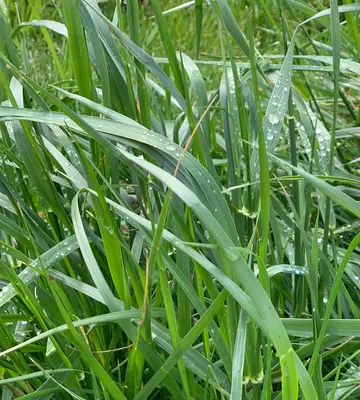
A compact ornamental grass that forms perfect blue-silver tufts, adding cool-toned color and fine texture to rock gardens, borders, and contemporary landscapes. This drought-tolerant Mediterranean native maintains its striking blue color year-round and produces delicate flower spikes that add movement and interest to the garden.
Sun
Full sun to partial shade
Zones
4–9
USDA hardiness
Height
6-12 inches
Planting Timeline
Showing dates for Blue Fescue in USDA Zone 7
All Zone 7 grass →Zone Map
Click a state to update dates
Blue Fescue · Zones 4–9
Growing Details
Complete Growing Guide
Light: Dappled Sunlight (Shade through upper canopy all day), Full sun (6 or more hours of direct sunlight a day), Partial Shade (Direct sunlight only part of the day, 2-6 hours). Drainage: Good Drainage. Height: 0 ft. 6 in. - 1 ft. 0 in.. Spread: 0 ft. 6 in. - 1 ft. 0 in.. Spacing: 12 inches-3 feet. Maintenance: Low. Propagation: Division, Seed.
Harvesting
Blue Fescue is primarily harvested for ornamental foliage and seed heads rather than traditional plant material. Peak readiness occurs when the fine blue-silver foliage reaches full color intensity, typically mid-summer, and the delicate flower spikes emerge with a pale, feathery appearance. Harvest the entire clump or individual stems by cutting at the base once seedheads have fully developed and dried slightly, which signals optimal texture for dried arrangements. This ornamental grass supports continuous light harvesting of outer stems throughout the growing season without damaging the plant's compact form, though allowing some stems to remain encourages ongoing vigor. For best results, time your main harvest in late summer when moisture content is lowest, ensuring the dried material maintains its distinctive silvery-blue tone and structural integrity for long-lasting decorative use.
Type: Caryopsis.
Storage & Preservation
Blue Fescue is an ornamental grass and does not require food storage. For propagation material (divisions or seed), store in a cool, dry location at 40-50°F with low humidity to maintain viability. Dried seed heads can be stored in paper envelopes in a dark, cool area for up to 2 years. For garden maintenance, preserve plants by dividing clumps every 3-4 years in spring to prevent die-out in the center. Cuttings can be propagated in moist, sandy soil during growing season. Deadheading spent flower spikes encourages bushier growth and extends ornamental appeal throughout the season.
History & Origin
Origin: North East Spain to North West Italy and Southern France
Advantages
- +Striking blue-silver color persists year-round without fading
- +Extremely drought-tolerant once established, requiring minimal watering
- +Naturally pest-free and resistant to deer and rabbits
- +Compact tufts fit perfectly in small spaces and containers
- +Fine texture adds elegant movement to contemporary garden designs
Considerations
- -Crown rot develops quickly in poorly-drained or waterlogged soils
- -Foliage deteriorates and loses color in humid, wet climates
- -Center dies out over time, requiring division every 3-4 years
- -Needs excellent drainage or performance and appearance suffer significantly
Companion Plants
Lavender, Sedum, and Russian Sage are the strongest neighbors here because they all run on the same fuel: sharp drainage, lean soil, and at least 6 hours of direct sun. None of them push into blue fescue's shallow root zone aggressively, and the silver-blue foliage threads visually through the purple tones of lavender and Russian sage without any one plant bullying the others. Black-eyed Susan (Rudbeckia hirta) and Allium earn a spot for the same reasons — drought-tolerant, upright enough to give vertical contrast against a low 6-12 inch mound, and unbothered by dry spells.
Mint, hostas, and astilbe are the wrong neighbors — not because of any chemical antagonism, but because their water and light requirements are almost the inverse of blue fescue's. Hostas and astilbe want shade and consistent soil moisture; mint spreads aggressively and needs regular watering to stay lush. Put them within 15 inches of the fescue and you'll either rot the grass keeping the others satisfied, or watch the shade-lovers sulk in conditions that are too hot and dry.
Plant Together
Lavender
Similar drought tolerance and well-draining soil needs, creates attractive contrast
Sedum
Shares preference for poor, dry soils and provides complementary texture
Russian Sage
Both thrive in dry conditions and create beautiful textural combinations
Black-eyed Susan
Drought-tolerant perennial that provides color contrast to blue-gray foliage
Catmint
Similar growing conditions and helps repel rodents that might damage grass
Allium
Bulbs won't compete with shallow grass roots and provide seasonal interest
Yucca
Shares extremely low water needs and creates dramatic architectural contrast
Coral Bells
Tolerates similar conditions and provides colorful foliage complement
Keep Apart
Mint
Aggressive spreader that will overtake and crowd out ornamental grass
Hostas
Requires moist, rich soil conditions opposite to blue fescue's dry preferences
Astilbe
Needs consistently moist soil and shade, incompatible with blue fescue's dry, sunny needs
Pests & Disease Resistance
Resistance
Good disease resistance in well-drained soils
Common Pests
Generally pest-free, deer and rabbit resistant
Diseases
Crown rot in wet soils, rust in humid conditions
Troubleshooting Blue Fescue
What you'll see, why it happens, and what to do about it.
Clump center dying out, leaving a dead brown ring with green growth only on the outer edges
Likely Causes
- Natural aging — Festuca glauca clumps typically exhaust the crown every 2-3 years
- Crown rot (Pythium or Fusarium spp.) from poorly drained or overwatered soil
What to Do
- 1.Dig the whole clump in early spring, divide it into fist-sized sections, discard the dead center, and replant the healthy outer pieces at 12-15 inches apart
- 2.If rot smell is present, improve drainage before replanting — work in coarse grit or raise the bed a few inches
- 3.Don't water established plants more than once a week; blue fescue wants dry conditions, not consistently moist ones
Orange or rust-colored powdery pustules on leaf blades, most visible in late summer or during humid stretches
Likely Causes
- Grass rust (Puccinia spp.) — fungal, spreads by spores, made worse by overhead watering and tight spacing
- Low airflow from planting too close together or situating the plant against a wall or dense shrubs
What to Do
- 1.Cut the entire clump back to about 3 inches — new growth will come in clean
- 2.Switch any irrigation to drip or ground-level watering to keep foliage dry
- 3.Give plants the full 12-15 inch spacing; rust rarely gets bad on well-spaced plants in full sun with dry foliage
Frequently Asked Questions
How long does Blue Fescue live in the garden?▼
Is Blue Fescue good for beginners?▼
Can you grow Blue Fescue in containers?▼
When should I plant Blue Fescue?▼
Why is the center of my Blue Fescue dying?▼
How much sun does Blue Fescue need?▼
Zone-by-Zone Planting Calendar
Growing Guides from Wind River Greens
Sources & References
External authority sources used in compiling this guide.
- ExtensionNC State Extension
See the Methodology page for how this data is sourced, what's AI-assisted, and known limitations.