Ruby Moon
Dolichos lablab
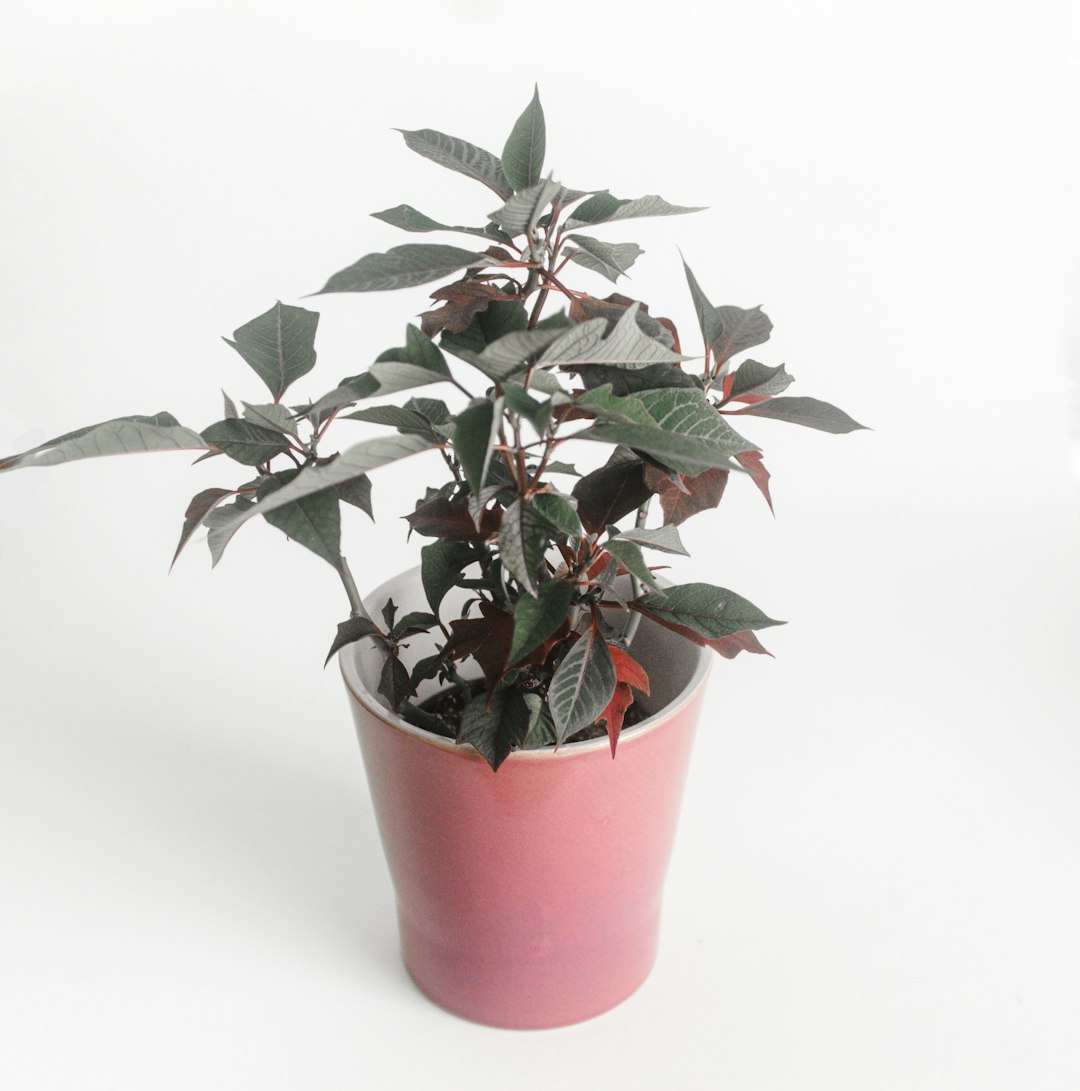
Purple stems, lilac-rose blossoms, and shiny 2-3" magenta pods. While all parts of the plant are edible, we recommend boiling the mature seeds twice before eating. Used in Asian, Thai, and Indian cuisine. Blooms and pods are useful as cut flowers; pods may be dried. Also known as bonavist-bean, and lablab-bean. Tender perennial in Zones 9-10. Best grown as an annual elsewhere.Edible Flowers: Flowers can be eaten raw or steamed, and can be used as a garnish for salads and desserts. Flavor is mild, bean-like, and sweet. A favorite in our taste tests.
Harvest
110-120d
Days to harvest
Sun
Full sun to part shade
Zones
3–11
USDA hardiness
Height
6-8 feet
Planting Timeline
Showing dates for Ruby Moon in USDA Zone 7
All Zone 7 vine →Zone Map
Click a state to update dates
Ruby Moon · Zones 3–11
Growing Details
Complete Growing Guide
Growing Ruby Moon (Dolichos lablab) vine. Light: Full sun to part shade. Days to maturity: 110. Difficulty: Moderate.
Harvesting
Ruby Moon reaches harvest at 110 - 120 days from sowing per Johnny's Selected Seeds. Expect 2-3" at peak.
This is an ornamental variety — not grown for harvest. Enjoy in the garden landscape.
Storage & Preservation
Fresh immature pods keep 4-5 days in the refrigerator's vegetable crisper in a perforated plastic bag. Flowers are most aromatic within hours of picking but will last 2-3 days loosely covered in the fridge. For preservation, freeze immature pods blanched 3-4 minutes in boiling water, then shocked in ice water and packed in freezer bags for up to 8 months. Dry mature pods completely in a warm, airy location (or in a dehydrator at 115°F) until pods are brittle and rattle; store dried seeds in a cool, dark, dry container for up to 2 years. Flowers can be dried on screens in a warm room out of direct sunlight for 1-2 weeks, then stored in airtight containers for herbal teas or garnishes.
History & Origin
Lablab purpureus is a species of bean in the family Fabaceae. It is native to sub-Saharan Africa and it is cultivated throughout the tropics for food. English language common names include hyacinth bean, lablab-bean bonavist bean/pea, dolichos bean, seim or sem bean, lablab bean, Egyptian kidney bean, Indian bean, bataw and Australian pea. Lablab is a monotypic genus.
Considerations
- -Moderate difficulty — some growing experience helpful
- -Long season — needs 110 days to mature
Companion Plants
Marigolds and calendula deter aphids through scent and pull in parasitic wasps that knock back pest pressure across the whole trellis. Nasturtiums act as a trap crop, drawing aphids onto themselves and away from the lablab pods — a worthwhile trade. Chives and dill add pest-confusing aromatics without competing hard for root space at the 12-18 inch spacing Ruby Moon needs. Fennel is the one to skip — it releases root exudates that suppress most legumes, including lablab. Black walnut is a harder limit: around here in the southeast, juglone damage from established trees shows up as sudden wilting and death, and there's no remedy once a vine is sited too close.
Plant Together
Marigolds
Repel nematodes and aphids while attracting beneficial insects
Nasturtiums
Act as trap crop for aphids and cucumber beetles, climbing companion
Beans
Fix nitrogen in soil and provide natural trellis support structure
Radishes
Break up soil for vine root development and deter vine borers
Chives
Repel aphids and improve soil health with sulfur compounds
Calendula
Attract beneficial predatory insects and repel whiteflies
Dill
Attracts beneficial wasps and predatory insects for pest control
Sweet Alyssum
Provides ground cover and attracts hoverflies that eat aphids
Keep Apart
Black Walnut
Produces juglone toxin that inhibits growth of most vining plants
Fennel
Releases allelopathic compounds that stunt vine growth and development
Eucalyptus
Root exudates suppress nearby plant growth and compete for nutrients
Pests & Disease Resistance
Common Pests
Minimal issues; occasional spider mites or aphids in very hot, dry conditions
Diseases
Minimal issues; powdery mildew in dense foliage, leaf spot in extremely wet conditions
Troubleshooting Ruby Moon
What you'll see, why it happens, and what to do about it.
Fine webbing on leaf undersides, leaves look dusty or bronze, plants stressed in August heat
Likely Causes
- Spider mite (Tetranychus urticae) infestation — classic hot, dry-weather pest that explodes fast once established
- Lack of overhead moisture or mulch, leaving plants water-stressed and more vulnerable
What to Do
- 1.Blast the undersides of leaves with a strong stream of water every 2-3 days to knock mites off and disrupt colonies
- 2.Apply insecticidal soap or neem oil in the early morning — avoid spraying in full midday sun or you'll scorch the leaves
- 3.Mulch the root zone with 2-3 inches of straw to keep soil moisture steady and reduce plant stress
White powdery coating on upper leaf surfaces, usually showing up mid to late summer in dense sections of the vine
Likely Causes
- Powdery mildew (Erysiphe spp.) — fungal issue that thrives in warm days and cool nights with low air movement
- Overcrowded trellis with stems tangled together, cutting off airflow through the canopy
What to Do
- 1.Thin out crowded stems by hand so air can move through — Ruby Moon will fill back in quickly at 6-8 feet
- 2.Spray affected foliage with a diluted baking soda solution (1 tablespoon per gallon of water) or a potassium bicarbonate product
- 3.Water at the base in the morning rather than overhead in the evening
Dark, water-soaked spots on leaves, sometimes with a yellow halo, appearing after a stretch of wet weather
Likely Causes
- Bacterial leaf spot or fungal leaf spot (Cercospora spp.) — both spread readily in prolonged rain and splash from wet soil
- Poorly drained bed holding moisture around the root zone
What to Do
- 1.Remove and bag the worst-affected leaves — don't compost them
- 2.Work 2 inches of compost into the bed before planting next season to improve drainage; raised beds are worth it if this spot stays wet after rain
- 3.Apply a copper-based fungicide as a preventive if leaf spot has been a recurring problem in that bed
Frequently Asked Questions
How long does Ruby Moon vine take to produce pods?▼
Can you grow Ruby Moon in containers?▼
Is Ruby Moon good for beginners?▼
What does Ruby Moon taste like?▼
When should you plant Ruby Moon vine?▼
Do you need to boil Ruby Moon seeds before eating?▼
Zone-by-Zone Planting Calendar
Growing Guides from Wind River Greens
Sources & References
External authority sources used in compiling this guide.
- BreederJohnny's Selected Seeds
See the Methodology page for how this data is sourced, what's AI-assisted, and known limitations.