Lavandula angustifolia 'Hidcote'
Lavandula angustifolia 'Hidcote'
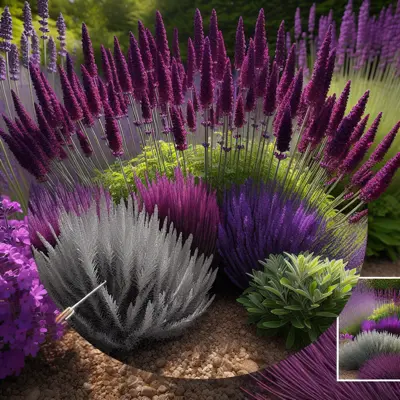
A compact, award-winning English lavender variety prized for its deep purple flower spikes and intensely fragrant oil content. This hardy perennial forms neat, silvery-green mounds that bloom profusely from early summer through fall, making it perfect for borders, containers, and herb gardens. Hidcote's exceptional fragrance and rich color have made it a favorite among gardeners and commercial growers alike.
Harvest
90-120d
Days to harvest
Sun
Full sun to partial shade
Zones
5–9
USDA hardiness
Height
12-24 inches
Planting Timeline
Showing dates for Lavandula angustifolia 'Hidcote' in USDA Zone 7
All Zone 7 herb →Zone Map
Click a state to update dates
Lavandula angustifolia 'Hidcote' · Zones 5–9
Growing Details
Complete Growing Guide
This cultivar's compact growth habit distinguishes it from taller lavender varieties, making it ideal for containers where it won't require staking. Hidcote reaches peak flowering in mid-summer rather than spring, so delay harvesting until buds show color for maximum oil concentration. Plant in full sun with excellent drainage—this variety is particularly susceptible to root rot in heavy soils, more so than generic lavender cultivars. Unlike some Lavandula types, Hidcote rarely bolts or becomes leggy when established, but young plants benefit from light pinching to encourage bushier form. Watch for spider mites during hot, dry spells, as the silvery foliage attracts them. A practical tip: deadhead spent flowers consistently through fall to extend blooming and prevent self-seeding, which can dilute the strain's signature intensity and compact character.
Light: Full sun (6 or more hours of direct sunlight a day), Partial Shade (Direct sunlight only part of the day, 2-6 hours). Soil: Loam (Silt), Sand, Shallow Rocky. Soil pH: Alkaline (>8.0), Neutral (6.0-8.0). Drainage: Good Drainage. Height: 1 ft. 0 in. - 2 ft. 0 in.. Spread: 2 ft. 0 in. - 3 ft. 0 in.. Spacing: 12 inches-3 feet. Growth rate: Medium. Maintenance: Low. Propagation: Division, Seed, Stem Cutting. Regions: Coastal, Mountains, Piedmont.
Harvesting
Harvest Hidcote lavender when flower spikes reach full color with deep purple florets fully opened and feel slightly papery to the touch, typically mid-to-late summer. For continuous blooms throughout the season, deadhead spent flowers regularly rather than harvesting the entire plant at once. Cut flower spikes in the early morning after dew dries but before heat of the day, when essential oil concentration peaks and fragrance is most intense. Single harvests work well for drying purposes—cut one-third of stems at their base when flowers are fully colored but still firm. This cultivar's prolific flowering habit supports repeated harvesting without stressing the plant, encouraging bushier growth and extended blooming into fall.
Fruits are non-ornamental nutlets.
Type: Capsule.
Storage & Preservation
Fresh-cut Hidcote stems stay fragrant for 7-10 days when stored like cut flowers in water, though the essential oils are strongest within the first 48 hours. For longer storage, avoid refrigeration which can dull the aromatic compounds.
For drying, bundle 8-12 stems with rubber bands (which tighten as stems shrink) and hang upside down in a dark, well-ventilated area with temperatures between 60-80°F. Proper drying takes 2-3 weeks – stems should snap cleanly when ready. Strip flowers by running your fingers against the grain of the stem.
Freeze-drying preserves Hidcote's color and fragrance better than air-drying. Place flower heads in a single layer on parchment paper and freeze for 24 hours, then store in airtight containers. You can also make lavender oil by filling a jar with fresh flowers and covering with a neutral oil like jojoba or sweet almond oil for 4-6 weeks.
History & Origin
Hidcote lavender originated in England during the mid-20th century, emerging from the Hidcote Manor Garden in Gloucestershire, though specific breeder attribution and exact introduction date remain incompletely documented in horticultural records. As a cultivar of Lavandula angustifolia, the species native to the Mediterranean, Hidcote represents English selection work focused on enhancing ornamental qualities—particularly compact growth habit and flower intensity—within the broader English lavender breeding tradition. The variety gained prominence through commercial cultivation and horticultural recognition, eventually earning the Royal Horticultural Society's Award of Garden Merit, solidifying its status as a premium cultivar. Despite limited formal breeding documentation, its consistent performance and widespread adoption across both amateur and professional growing contexts underscore its significance within lavender horticulture.
Origin: Mediterranean region France, Italy, Spain
Advantages
- +Award-winning compact form produces deep purple flowers reliably
- +Intensely fragrant oil makes it excellent for culinary and commercial use
- +Blooms prolifically from early summer through fall continuously
- +Thrives in containers and borders with minimal maintenance required
- +Hardy perennial returns yearly with silvery-green foliage year-round
Considerations
- -Susceptible to root rot without well-drained soil conditions
- -Prone to fungal issues and spider mites in humid climates
- -Requires full sun and poor soil to prevent leggy growth
Companion Plants
Rosemary, thyme, sage, and oregano are the strongest companions — all four want the same things 'Hidcote' does: full sun (6+ hours), lean soil around pH 6.5–7.5, and sharp drainage. Grouping them, as NC State Extension recommends for herbs with shared light and irrigation requirements, means you're not waterlogging one plant to satisfy another. Roses work too; lavender's volatile oils are said to disorient the aphids that colonize rose canes. Mint is the one to keep at least a bed's width away — it spreads by rhizome, competes hard for root space, and needs consistently moist soil that will rot 'Hidcote' from the crown down. Impatiens and hosta are shade-and-moisture plants; tuck either within 18 inches of lavender and you're setting up a slow fight neither side will win cleanly.
Plant Together
Rosemary
Similar water and sun requirements, both repel insects and complement each other's Mediterranean growing conditions
Thyme
Shares similar drought tolerance and soil preferences, both attract beneficial pollinators
Sage
Compatible Mediterranean herb with similar care needs, helps repel cabbage moths and carrot flies
Oregano
Similar growing conditions, attracts beneficial insects and provides natural pest deterrent properties
Catmint
Complements lavender's deer resistance, attracts pollinators while repelling rodents and ants
Roses
Lavender repels aphids and other pests that commonly attack roses, while both prefer well-draining soil
Sedum
Similar drought tolerance and low water needs, creates attractive textural contrast in garden design
Echinacea
Both attract beneficial pollinators and butterflies, share preference for well-draining soil
Keep Apart
Mint
Aggressive spreading nature can overwhelm lavender, requires much more water than lavender prefers
Impatiens
Requires frequent watering and rich, moist soil conditions that are detrimental to lavender's health
Hosta
Needs shade and consistent moisture, opposite growing conditions from sun-loving, drought-tolerant lavender
Nutrition Facts
Per 100g serving. % Daily Value based on 2,000 calorie diet. Source: USDA FoodData Central (FDC #172232)
Pests & Disease Resistance
Resistance
Good resistance to most diseases when grown in proper conditions
Common Pests
Aphids, spittlebugs, spider mites
Diseases
Root rot (in poorly drained soil), fungal issues in humid conditions
Troubleshooting Lavandula angustifolia 'Hidcote'
What you'll see, why it happens, and what to do about it.
Stems blackening at the base, plant wilting despite moist soil — often in spring after a wet stretch
Likely Causes
- Root rot from Phytophthora or Pythium — both thrive when water sits around the crown
- Planting in heavy clay with no drainage amendment
What to Do
- 1.Dig the plant and check the roots — black, mushy roots confirm rot; healthy roots are tan or white
- 2.If caught early, move it to a raised bed or a spot with a 6–8 inch grade and mix coarse grit or pea gravel into the planting hole
- 3.Don't replant lavender in the same spot without fixing drainage first — the pathogen persists in the soil
Sticky, distorted new growth with clusters of small soft-bodied insects on stem tips, particularly in spring
Likely Causes
- Aphid infestation — common in spring when new growth is soft and natural predator populations haven't built up yet
- Over-fertilizing with nitrogen, which produces the tender growth aphids prefer
What to Do
- 1.Knock aphids off with a firm spray of water — NC State Extension notes that natural predators and parasites usually keep populations in check once plants are established
- 2.For heavy outbreaks, apply insecticidal soap directly to affected stems and repeat every 5–7 days until numbers drop
- 3.Cut back on fertilizer entirely — lavender needs very little feeding, and excess nitrogen pushes exactly the soft new growth that draws aphids in
Frequently Asked Questions
How long does Hidcote lavender take to bloom from planting?▼
Can you grow Hidcote lavender in pots?▼
When should I prune Hidcote lavender?▼
What does Hidcote lavender smell like compared to other varieties?▼
Is Hidcote lavender good for beginners?▼
Hidcote vs Munstead lavender - what's the difference?▼
Zone-by-Zone Planting Calendar
Growing Guides from Wind River Greens
Sources & References
External authority sources used in compiling this guide.
See the Methodology page for how this data is sourced, what's AI-assisted, and known limitations.