Voyage 2 Light Apricot
Eustoma grandiflorum
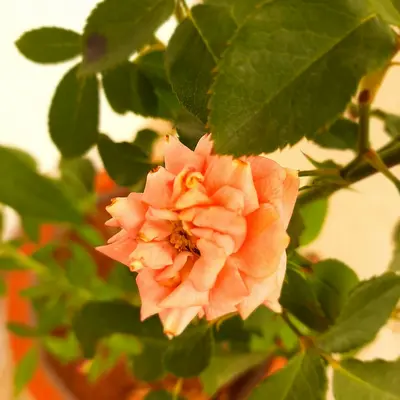
Wikimedia Commons via Eustoma russellianum
3" fully double blooms in an appealing shade of pale apricot are lush with abundant layering and ruffling. Group 2, for early spring to summer harvest. Lisianthus is also known as prairie gentian, Texas bluebell, and showy prairie gentian. Pelleted seeds.
Harvest
140-150d
Days to harvest
Sun
Full sun to partial shade
Zones
8–10
USDA hardiness
Height
1-3 feet
Planting Timeline
Showing dates for Voyage 2 Light Apricot in USDA Zone 7
All Zone 7 flower →Zone Map
Click a state to update dates
Voyage 2 Light Apricot · Zones 8–10
Growing Details
Complete Growing Guide
3" fully double blooms in an appealing shade of pale apricot are lush with abundant layering and ruffling. Group 2, for early spring to summer harvest. Lisianthus is also known as prairie gentian, Texas bluebell, and showy prairie gentian. Pelleted seeds. According to Johnny's Selected Seeds, Voyage 2 Light Apricot is 140 - 150 days to maturity, annual, hybrid (f1). Notable features: Greenhouse Performer, Use for Cut Flowers and Bouquets.
Light: Full sun (6 or more hours of direct sunlight a day), Partial Shade (Direct sunlight only part of the day, 2-6 hours). Soil: Loam (Silt), Sand. Drainage: Good Drainage, Moist. Height: 1 ft. 0 in. - 3 ft. 0 in.. Spread: 0 ft. 9 in. - 1 ft. 0 in.. Maintenance: High. Propagation: Seed.
Harvesting
Voyage 2 Light Apricot reaches harvest at 140 - 150 days from sowing per Johnny's Selected Seeds. Expect 3" at peak. As an annual, harvest continues until frost ends the season.
This is an ornamental variety — not grown for harvest. Enjoy in the garden landscape.
Storage & Preservation
Cut Voyage 2 Light Apricot blooms in early morning when stems are fully hydrated. Remove lower foliage and place stems immediately in room-temperature water. Store cut flowers in a cool location (65-72°F) away from direct sunlight and ethylene-producing fruits. Change water every 2-3 days and re-cut stems at an angle. Vase life typically ranges from 7-14 days. To extend longevity, use floral preservative in the water, refrigerate at night (50-55°F), or air-dry upright blooms for dried arrangements that last for months.
History & Origin
Voyage 2 Light Apricot is an F1 hybrid developed through controlled cross-pollination. Listed in the Johnny's Selected Seeds catalog.
Origin: Nebraska south to Texas.
Advantages
- +Fully double blooms with abundant ruffling create exceptionally lush, ornamental flowers
- +Pale apricot color is unique and appeals to high-end floral markets
- +Pelleted seeds simplify sowing and improve germination consistency
- +140-150 days allows spring planting for early summer harvest
- +Easy difficulty rating makes it accessible for novice growers
Considerations
- -Lisianthus requires consistent moisture; drought stress causes bud drop
- -Botrytis fungus thrives in humid conditions, requiring excellent air circulation
- -Slow establishment means extended time to marketable blooms
- -Group 2 timing limits planting flexibility outside spring window
Companion Plants
Marigolds (especially French marigolds, Tagetes patula) are the most practical choice alongside Voyage 2 Light Apricot. Their scent confuses aphids and thrips — both pests that go after Eustoma's tender stems — and their shallow roots don't compete with lisianthus's own modest root system. Sweet Alyssum is worth tucking in at the border; it pulls in parasitic wasps and hoverflies that clean up soft-bodied insects before populations build. Cosmos and Zinnia make solid row companions in a cutting garden, and in our zone 7 Georgia garden they hit their stride on the same warm-season schedule, so you're not wasting bed space waiting on one crop while another finishes.
Black Walnut is the one to avoid entirely — its roots release juglone into the soil, and Eustoma has little tolerance for it; you'll see stunted, yellowing plants with no obvious cause until you think about what's growing 40 feet away. Sunflowers are a quieter problem: they're allelopathic in their own right and act as an aphid magnet that can easily overflow onto neighboring stems. Give lisianthus its own clean bed.
Plant Together
Marigolds
Repel aphids, whiteflies, and nematodes while attracting beneficial insects
Sweet Alyssum
Attracts beneficial insects like hoverflies and parasitic wasps for pest control
Nasturtiums
Act as trap crops for aphids and cucumber beetles, drawing pests away
Lavender
Repels moths, fleas, and mosquitoes while attracting pollinators
Zinnia
Attracts butterflies and beneficial predatory insects while providing color contrast
Catmint
Deters ants, aphids, and flea beetles while attracting bees
Cosmos
Attracts beneficial insects and provides structural support without competing heavily
Parsley
Attracts beneficial insects like hoverflies and doesn't compete for nutrients
Keep Apart
Black Walnut
Produces juglone which is toxic to many flowering plants and inhibits growth
Eucalyptus
Releases allelopathic compounds that suppress growth of nearby plants
Sunflowers
Heavy feeders that compete aggressively for nutrients and water
Troubleshooting Voyage 2 Light Apricot
What you'll see, why it happens, and what to do about it.
Seedlings collapsing at soil level, stems pinched or rotted at the base, typically 10–21 days after germination
Likely Causes
- Damping off (Pythium or Rhizoctonia spp.) — triggered by overwatering or poor drainage in seed trays
- Overly dense sowing that keeps humidity too high around emerging stems
What to Do
- 1.Water only from the bottom by setting trays in a shallow tray of water for 20–30 minutes, then let them drain fully
- 2.Thin seedlings to at least 1 inch apart as soon as the first true leaves appear — Eustoma seedlings are slow and crowding kills them fast
- 3.If damping off is already spreading, remove affected cells entirely and treat remaining seedlings with a dilute copper fungicide drench
Flower buds forming but failing to open, or blooms browning at the edges before fully unfurling, usually after a stretch of overcast wet weather
Likely Causes
- Botrytis blight (Botrytis cinerea) — thrives in humid, low-airflow conditions, especially common during Georgia's spring rainy stretches
- Spacing too tight at 12 inches or less, trapping moisture around the canopy
What to Do
- 1.Space plants at the wider end of the range — 18 inches — and stake stems upright so the canopy stays open
- 2.Remove and bag any affected buds or petals immediately; Botrytis spreads fast through debris left on the soil
- 3.Avoid overhead irrigation; switch to drip or water at the base early in the morning so foliage dries before nightfall
Frequently Asked Questions
How long do Voyage 2 Light Apricot lisianthus flowers last in a vase?▼
Is Voyage 2 Light Apricot a good lisianthus variety for beginners?▼
When should I start seeds for Voyage 2 Light Apricot lisianthus?▼
Can you grow Voyage 2 Light Apricot lisianthus in containers?▼
What does the Voyage 2 Light Apricot bloom color look like?▼
How far apart should I space Voyage 2 Light Apricot plants?▼
Zone-by-Zone Planting Calendar
| Zone | Indoor Start | Transplant | Direct Sow | Harvest |
|---|---|---|---|---|
| Zone 3 | April – May | June – July | June – August | — |
| Zone 4 | March – April | June – June | June – July | — |
| Zone 5 | March – April | May – June | May – July | — |
| Zone 6 | March – April | May – June | May – July | — |
| Zone 7 | February – March | April – May | April – June | — |
| Zone 8 | February – March | April – May | April – June | — |
| Zone 9 | January – February | March – April | March – May | — |
| Zone 10 | January – January | February – March | February – April | — |
| Zone 1 | May – June | July – August | July – September | — |
| Zone 2 | April – May | June – July | June – August | — |
| Zone 11 | January – January | January – February | January – March | — |
| Zone 12 | January – January | January – February | January – March | — |
| Zone 13 | January – January | January – February | January – March | — |
Growing Guides from Wind River Greens
Sources & References
External authority sources used in compiling this guide.
- BreederJohnny's Selected Seeds
See the Methodology page for how this data is sourced, what's AI-assisted, and known limitations.