Partridgeberry
Mitchella repens
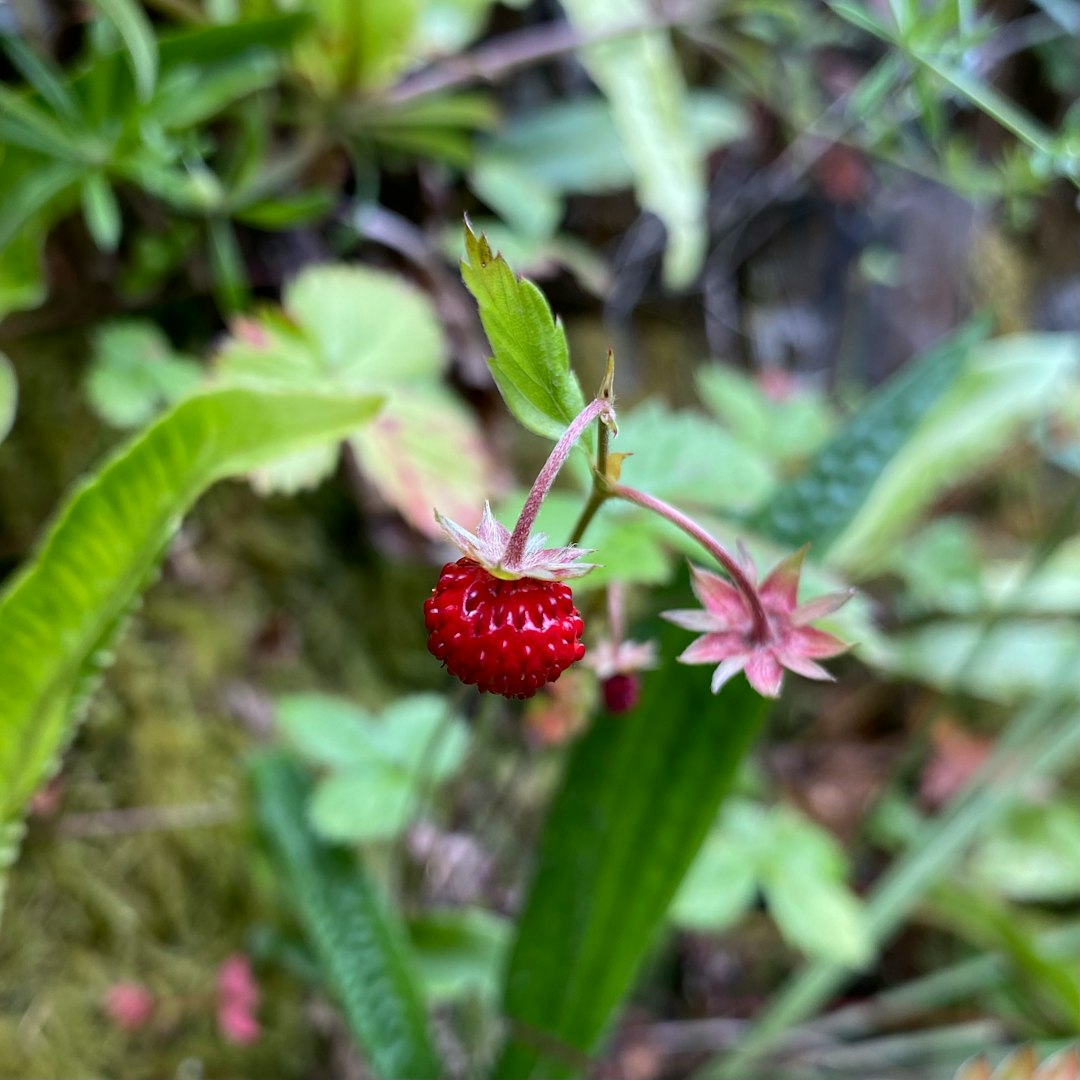
Partridgeberry (Mitchella repens) is a perennial native wildflower. Hardy in USDA zones 3 to 8. Prefers full sun.
Sun
Full sun to partial shade
Zones
3–8
USDA hardiness
Height
1-3 inches
Planting Timeline
Showing dates for Partridgeberry in USDA Zone 7
All Zone 7 native-wildflower →Zone Map
Click a state to update dates
Partridgeberry · Zones 3–8
Growing Details
Complete Growing Guide
Partridgeberry thrives in conditions that mimic its native eastern woodland floor, so the more closely you can replicate dappled forest light and humus-rich soil, the better your results. Despite the database listing 'full sun,' this plant actually performs best in partial to full shade in zones 6-8, with morning sun acceptable in cooler northern zones (3-5). Direct afternoon sun will scorch the foliage and dry out the shallow roots.
For site preparation, choose a spot under deciduous trees, along a shaded north-facing slope, or beside a woodland path. Work in 2-3 inches of leaf mold, pine needles, or composted hardwood bark to acidify the soil and improve moisture retention. Aim for a pH between 4.5 and 5.5 — partridgeberry will languish in alkaline conditions. Avoid heavy clay; if that's all you have, build a raised pocket of woodland soil mix instead.
Starting partridgeberry from seed is notoriously slow and unreliable. Seeds require double dormancy, meaning two cold-warm-cold cycles before they germinate, often taking 12-18 months. Most gardeners skip this and propagate by division or stem cuttings instead. In spring or early fall, lift a section of an established mat with roots intact and replant immediately at the same depth. Stem cuttings root readily if you press a node into moist sphagnum and keep humidity high.
Space plants 8-12 inches apart and water thoroughly after planting. For the first growing season, keep the soil consistently moist — never soggy, never bone dry. A 1-inch mulch of shredded leaves or pine straw helps enormously. Once established, partridgeberry is remarkably self-sufficient and rarely needs supplemental water except in severe drought.
Fertilizing is largely unnecessary and often counterproductive. A light topdressing of leaf mold each fall is all this plant wants. Synthetic fertilizers can burn the fine root system and encourage leggy growth at the expense of berry production.
The most common mistake gardeners make is planting partridgeberry in too much sun or in soil that dries out between rains — both lead to slow decline. The second mistake is impatience: this is a slow-spreading groundcover that may take 2-3 years to knit together into a full mat. Resist the urge to dig and check on it. Northern gardeners in zones 3-4 should ensure reliable snow cover or apply pine boughs as winter mulch to prevent desiccation. To maximize berry display, plant in groups so cross-pollination between flowers is reliable — partridgeberry's twin flowers must both be pollinated to produce a single berry.
Harvesting
Partridgeberry isn't typically harvested in the vegetable-garden sense, but the bright scarlet berries can be gathered for ornamental use, terrariums, or holiday decorations. Berries ripen in late summer and persist on the plant through winter and often into the following spring, giving you a long window. Look for fully colored, firm berries that are deep red rather than orange-tinged, which indicates immature fruit. Each berry shows two small dimples — the remnants of the twin flowers that formed it — and this is a reliable identification mark.
Harvest in the morning after dew has dried, using small scissors or your fingernails to pinch the berry stem cleanly without uprooting the trailing vine. Never pull straight up; the shallow roots release easily and you'll lift more than you intended. Take only a small percentage of berries from any one patch, leaving the rest for wildlife and reseeding. The berries are edible but essentially flavorless and dry — they're valued for visual appeal, not eating.
Storage & Preservation
Fresh-picked partridgeberry stems and berries hold up remarkably well due to their waxy cuticle. Stored in a sealed container in the refrigerator at 35-40°F with a slightly damp paper towel, cut sprigs remain attractive for 2-3 weeks. For terrarium use, mist lightly and keep in indirect light. Whole berries on the vine can be air-dried by laying sprigs flat on screens in a cool, dark, well-ventilated room for 1-2 weeks; the berries shrivel slightly but retain their red color for months. You can also press flowering or fruiting stems between absorbent paper under weight for use in botanical art. Avoid freezing — the berries turn mushy and lose color upon thawing.
History & Origin
Mitchella repens is a true native of eastern North America, with a range spanning from Newfoundland and Quebec south to Florida and west to Texas and Minnesota. The genus Mitchella was named by Carl Linnaeus in 1753 to honor John Mitchell, a colonial Virginia physician and botanist who corresponded with Linnaeus and supplied him with North American plant specimens. The species epithet 'repens' means 'creeping,' describing its prostrate growth habit.
Indigenous peoples, including the Cherokee, Iroquois, and Algonquin, used partridgeberry medicinally — most notably as a tea taken by women in the final weeks of pregnancy to ease childbirth, earning it the folk name 'squaw vine' (a term now considered offensive and largely retired). Other common names include twinberry, referring to the paired flowers and dimpled berries, and running box, a nod to its boxwood-like foliage. New England settlers gathered the berried sprigs for Christmas decorations, a tradition that contributed to its decline in some areas and led to it being protected in several states. Today it remains a beloved native woodland plant for ecological gardens.
Advantages
- +True native plant supporting ground-nesting birds like ruffed grouse, wild turkey, and bobwhite quail
- +Evergreen foliage provides year-round groundcover interest, even under snow
- +Bright red berries persist for months, offering rare winter color in shaded gardens
- +Extremely deer and rabbit resistant once established
- +Thrives in dry shade where most other groundcovers struggle
- +Forms dense mats that suppress weeds without being aggressive or invasive
- +Requires virtually no fertilization or maintenance once established
Considerations
- -Very slow to establish — may take 2-3 years to form a noticeable mat
- -Seeds require complex double dormancy and are nearly impossible to germinate at home
- -Intolerant of full afternoon sun, alkaline soil, and prolonged drought
- -Difficult to source from nurseries; ethically wild-collected plants are scarce
- -Berries are visually appealing but essentially flavorless, so it offers no edible reward
Companion Plants
In our zone 7 Georgia gardens, partridgeberry does best tucked in with shallow-rooted woodland natives that won't crowd it out. Wild ginger (Asarum canadense) is the strongest pairing — both want acidic, humus-rich soil and part shade, and wild ginger's broad leaves cut down on moisture loss without tangling into partridgeberry's runners. Wintergreen and bunchberry fill the same ecological niche and essentially self-regulate alongside it. Crown vetch, English ivy, and Japanese pachysandra all spread fast enough to bury a slow-creeping 2-inch mat inside a single growing season — give them no foothold in the same bed.
Plant Together
Wild Ginger
Shares similar acidic soil preferences and provides complementary ground cover in woodland settings
Wintergreen
Both are low-growing evergreen plants that thrive in similar acidic, moist woodland conditions
Bunchberry
Compatible woodland groundcover that shares moisture and shade requirements without competing aggressively
Wild Columbine
Provides vertical interest while sharing preference for partial shade and well-draining acidic soil
Trout Lily
Spring ephemeral that complements partridgeberry's evergreen nature and similar moisture needs
Wild Strawberry
Both produce edible berries and form compatible low groundcover mats in woodland edges
Ferns
Create natural woodland associations, provide shade protection, and share acidic soil preferences
Violets
Low-growing companions that thrive in similar moist, shaded conditions without overwhelming partridgeberry
Keep Apart
Crown Vetch
Aggressive spreader that can outcompete and smother delicate native groundcovers like partridgeberry
Japanese Pachysandra
Invasive groundcover that forms dense mats, excluding native plants and altering soil chemistry
English Ivy
Invasive vine that creates dense shade and competes aggressively for resources, smothering native understory plants
Pests & Disease Resistance
Common Pests
Generally pest-free; occasional slugs in overly wet conditions
Diseases
Generally disease-free; root rot possible in poorly drained soils
Troubleshooting Partridgeberry
What you'll see, why it happens, and what to do about it.
Stems collapsing at soil level, roots dark brown and mushy when pulled
Likely Causes
- Phytophthora root rot — triggered by standing water or heavy clay that doesn't drain between rains
- Planting in a low spot that collects runoff
What to Do
- 1.Dig up surviving plants, trim off rotted roots, and replant on a gentle slope or raised bed with acidic (pH 4.5–6.0), well-amended woodland soil
- 2.Work in coarse pine bark or leaf mold to open up the soil structure before replanting
- 3.Skip the compost that holds moisture — partridgeberry wants drainage more than fertility
Ragged holes chewed through the small, round leaves, mostly visible after cool, wet nights
Likely Causes
- Slug feeding (Arion or Deroceras species) — partridgeberry's low mat habit keeps it right in slug territory
- Consistently wet mulch or overwatered groundcover bed
What to Do
- 1.Scatter iron phosphate bait (Sluggo or equivalent) around the planting — it's safe around the birds and small mammals that rely on partridgeberries for winter food
- 2.Pull back any thick mulch layer to about 1 inch so the soil surface dries between rains
- 3.If slugs are chronic, lay a strip of coarse sand or crushed oyster shell around the bed edge
Frequently Asked Questions
Is partridgeberry edible?▼
How fast does partridgeberry spread?▼
Can you grow partridgeberry in a terrarium?▼
Does partridgeberry need sun or shade?▼
When should I plant partridgeberry?▼
Is partridgeberry deer resistant?▼
Zone-by-Zone Planting Calendar
Growing Guides from Wind River Greens
Sources & References
External authority sources used in compiling this guide.
- ExtensionNC State Extension
See the Methodology page for how this data is sourced, what's AI-assisted, and known limitations.