Lemon Balm Microgreens
Melissa officinalis
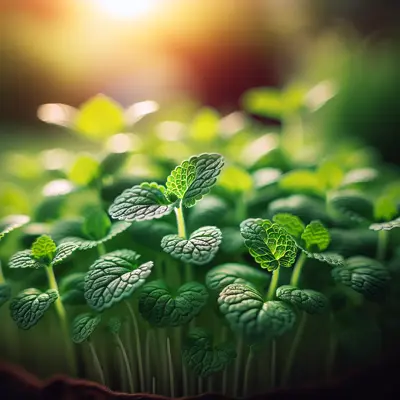
Lemon Balm Microgreens are delicate, tender shoots harvested at 10-14 days for optimal flavor. These heirloom microgreens feature vibrant green cotyledons with a distinctive intense lemon scent and bright, citrusy flavor with subtle minty undertones. They mature quickly in well-draining growing mediums under 4-6+ hours of light daily. The defining characteristic is their potent lemon aromatics that intensify with age, making them ideal for finishing salads, beverages, and desserts. Moderate to advanced difficulty level due to moisture management requirements and susceptibility to aphids and spider mites in dry conditions.
Harvest
70d
Days to harvest
Sun
Full sun to partial shade
Zones
3–7
USDA hardiness
Height
2-3 feet
Planting Timeline
Showing dates for Lemon Balm Microgreens in USDA Zone 7
All Zone 7 microgreen →Zone Map
Click a state to update dates
Lemon Balm Microgreens · Zones 3–7
Growing Details
Succession Planting
Lemon balm microgreens can be grown year-round indoors, so succession here is less about seasons and more about tray timing. Stagger a new 10×20 tray every 10–14 days to keep a continuous harvest going — as a microgreen you're cutting cotyledons and first true leaves somewhere between days 14 and 21, not waiting for the 70-day outdoor maturity. Keep your grow space between 65–75°F for consistent germination; drop below 60°F and germination slows enough to throw off your whole cadence.
Because lemon balm germinates more slowly than most microgreens — 7 to 14 days compared to radish's 2 to 3 — don't wait until one tray is finished before starting the next. Start a fresh tray when the current one is about halfway through its growth window. That overlap is what keeps you from running out mid-week.
Complete Growing Guide
Lemon Balm Microgreens can be started either indoors under controlled conditions or direct sown outdoors after your last frost date. For best results, plan your indoor sowing about 8-10 weeks before you intend to transplant seedlings outside, or direct sow seeds into prepared garden beds once soil temperatures reach at least 60°F. In cooler climates, starting seeds indoors gives you a longer growing window to reach the full 70-day harvest window and achieve the desired 2-3 foot height before autumn arrives.
Prepare your soil with well-draining, fertile compost mixed with regular garden soil. Lemon Balm Microgreens prefer a slightly acidic pH between 6.0 and 7.0. Sow seeds directly onto the surface or press them lightly into the soil—they need light to germinate, so avoid covering them completely. Space seedlings about 8-12 inches apart to allow adequate air circulation, which becomes crucial given this variety's susceptibility to powdery mildew in humid conditions. Thinner spacing will promote crowding and increase fungal disease pressure.
Water consistently to keep soil evenly moist but not waterlogged during the germination period and early growth stages. Once established, water deeply but less frequently to encourage strong root development. In the height of summer, daily watering may be necessary, but always check soil moisture first. Feed with a balanced, slow-release organic fertilizer every three weeks once plants reach about 6 inches tall, as this variety benefits from consistent nutrition to support its moderate-to-advanced growth requirements.
Watch vigilantly for aphids and spider mites, which are particularly attracted to Lemon Balm Microgreens in dry conditions. Spider mites thrive when humidity drops, so maintaining adequate moisture around foliage without creating standing water can help prevent infestations. Regular misting and careful inspection of leaf undersides will catch spider mite problems early. If powdery mildew appears—a real concern with this variety in humid weather—improve air circulation by pruning lower leaves and spacing plants farther apart. Damping off can strike young seedlings, so ensure excellent drainage and avoid overwatering in the germination phase.
Pruning is essential for Lemon Balm Microgreens. Pinch back growing tips regularly to encourage bushier, fuller plants rather than tall, leggy growth. Harvest leaves regularly once plants reach productive size, which actually promotes more vigorous branching and extends your harvest season. For succession planting, sow new seeds every two weeks if you want continuous fresh material for teas and salads throughout the growing season.
The most common mistake gardeners make with Lemon Balm Microgreens is neglecting air circulation in pursuit of humidity. While consistent moisture is important, stagnant, overly humid air invites powdery mildew and damping off problems. Space plants generously, stake taller specimens if needed, and ensure good ventilation around your planting area for healthier, more productive plants.
Harvesting
Lemon Balm microgreens reach peak harvest readiness when the first true leaves develop their characteristic bright green color and the seedlings stand 1-2 inches tall with sturdy stems, typically around 7-10 days after germination. Gently pinch a leaf to confirm the intense lemon aroma has fully developed, signaling optimal flavor concentration. For continuous harvests, snip leaves regularly from the top to encourage branching and extend productivity over several weeks, or perform a single complete harvest by cutting just above the soil line. A crucial timing tip: harvest in the morning after dew dries but before heat stress peaks, as this preserves the delicate volatile oils responsible for the microgreens' signature lemon-mint flavor profile and maximizes shelf life.
Produces many viable seeds
Type: Capsule.
Edibility: Leaves and flowers can be used for teas and flavorings of soups, stews etc.
Storage & Preservation
Fresh lemon balm microgreens are extremely perishable and should be used within 2-3 days of harvest for peak flavor and texture. Store unwashed in the refrigerator at 35-40°F in a breathable container like a paper towel-lined plastic container with a loose lid.
Avoid washing until just before use, as excess moisture accelerates decay. For longer storage, place stems in a small glass of water like cut flowers and refrigerate for up to 5 days, changing water daily.
For preservation, dehydrate at 95°F until crispy, then store in airtight containers for herbal tea blends—though dried microgreens lose much of their visual appeal. Flash-freezing in ice cube trays with water preserves some flavor for up to 3 months, perfect for adding to smoothies or cold beverages. Due to their delicate nature, lemon balm microgreens don't pickle or ferment well, so focus on fresh consumption or gentle drying methods.
History & Origin
Lemon balm (Melissa officinalis) originated in the Mediterranean region, where it has been cultivated for centuries as a traditional herb in European gardens and folk medicine. The plant's documented use traces back to ancient Greece and Rome, where it was valued for its aromatic and culinary properties. While the specific breeding history of lemon balm microgreens as a commercial product is not extensively documented, this variety represents a modern application of the classical herb, leveraging contemporary microgreen cultivation techniques. The microgreen format offers concentrated flavor and tender texture compared to mature plants, though it draws directly from the same botanical lineage that herbalists and gardeners have maintained since antiquity.
Origin: Southern Europe
Advantages
- +Intense lemon flavor makes them versatile for teas, drinks, and salads
- +Attracts pollinators with delicate white flowers during summer months
- +Relatively easy to grow with moderate care requirements
- +Cold-hardy plant survives harsh winters with proper mulching protection
Considerations
- -Susceptible to powdery mildew in humid growing conditions
- -Requires 70 days to maturity, longer than many microgreen varieties
- -Vulnerable to aphids and spider mites in dry environments
- -Moderate to advanced difficulty level demands experienced grower skills
Companion Plants
Lemon balm microgreens get along well with most other herbs and quick-turnover greens. Basil, chives, parsley, and cilantro are natural tray neighbors — they share similar moisture needs and none of them produce allelopathic compounds that interfere with each other at this scale. Lettuce, arugula, and radish work for the same reason: comparable watering schedules, no chemical competition at the root level, and similar seeding densities that make multi-tray management straightforward. In our zone 7 Georgia setup, where indoor growing stretches across the cooler months, pairing a lemon balm tray with a radish tray is practical — radish finishes in 7–10 days and clears space just as the lemon balm is hitting its stride around day 14.
Mint (Mentha spp.) is the one to think carefully about, especially if you're moving lemon balm from trays into outdoor containers — both are Lamiaceae and mint will crowd aggressively in shared soil. Black walnut (Juglans nigra) produces juglone, a compound that suppresses growth in many plants; lemon balm shows sensitivity to it, so keep any outdoor plantings well away from walnut leaf debris or surface roots. Eucalyptus releases volatile oils that inhibit germination in nearby plants — not a real-world concern for indoor trays, but worth knowing if you're growing both outdoors.
Plant Together
Basil
Repels aphids and thrips, complementary aromatic oils enhance each other
Chives
Natural pest deterrent against aphids and fungal diseases
Parsley
Similar growing conditions, attracts beneficial insects like parasitic wasps
Cilantro
Fast-growing companion with similar light and water needs
Dill
Attracts beneficial predatory insects and has complementary growth habit
Lettuce
Compatible moisture and temperature requirements for microgreen production
Radish
Quick germination helps break soil surface, similar harvest timing
Arugula
Similar growing conditions and harvest window for microgreens
Keep Apart
Black Walnut
Produces juglone which inhibits growth of most herbs including lemon balm
Mint
Aggressive spreading can overwhelm and compete with lemon balm
Eucalyptus
Allelopathic compounds suppress growth of nearby plants including herbs
Nutrition Facts
Per 100g serving. % Daily Value based on 2,000 calorie diet. Source: USDA FoodData Central (FDC #167747)
Pests & Disease Resistance
Resistance
Good natural resistance to most diseases
Common Pests
Aphids, spider mites in dry conditions
Diseases
Powdery mildew in humid conditions, damping off
Troubleshooting Lemon Balm Microgreens
What you'll see, why it happens, and what to do about it.
Seedlings collapse at the soil line within the first 5–7 days of germination, often in patches across the tray
Likely Causes
- Damping off (Pythium or Rhizoctonia spp.) — triggered by overwatering and poor airflow
- Seeding too densely, which traps moisture and heat at the surface
What to Do
- 1.Back off watering immediately — lemon balm microgreens need to dry slightly between mistings, not stay wet
- 2.Run a small fan on low for 1–2 hours per day to improve airflow over the tray
- 3.Start fresh with a sterile, well-draining medium (coconut coir works well) and sanitize trays with a 10% bleach solution before reuse
Tiny white or grayish powder coating the cotyledons or first true leaves, usually appearing after day 10
Likely Causes
- Powdery mildew (Erysiphe cichoracearum) — common in high-humidity, low-airflow indoor setups
- Lemon balm is notably susceptible compared to faster-cycling microgreens like radish or sunflower
What to Do
- 1.Harvest immediately if the leaves are otherwise developed — powdery mildew on microgreens means the window is closing fast
- 2.For the next tray, increase airflow and reduce ambient humidity; keep the grow space below 70% relative humidity if you can
- 3.Mist in the morning only so leaves dry before evening — late-day moisture is what tips a borderline tray into a mildew tray
Leaves stippled with tiny pale dots or yellowing in a fine, speckled pattern, sometimes with fine webbing on the underside
Likely Causes
- Spider mites (Tetranychus urticae) — most common in dry indoor conditions, especially near a heat vent in winter
- Low humidity below 40%, which encourages rapid mite reproduction
What to Do
- 1.Inspect the undersides of leaves with a hand lens — if you see mites, harvest immediately and eat what's usable
- 2.Between rounds, wipe down your grow area and trays thoroughly; spider mites persist on surfaces longer than most people expect
- 3.Raise ambient humidity to 50–60% and move trays away from heating vents to make the environment less hospitable
Frequently Asked Questions
How long do lemon balm microgreens take to grow?▼
Are lemon balm microgreens good for beginners?▼
Can you grow lemon balm microgreens without grow lights?▼
What do lemon balm microgreens taste like?▼
Why aren't my lemon balm microgreen seeds germinating?▼
Can you regrow lemon balm microgreens after cutting?▼
Zone-by-Zone Planting Calendar
| Zone | Indoor Start | Transplant | Direct Sow | Harvest |
|---|---|---|---|---|
| Zone 3 | January – December | — | — | January – December |
| Zone 4 | January – December | — | — | January – December |
| Zone 5 | January – December | — | — | January – December |
| Zone 6 | January – December | — | — | January – December |
| Zone 7 | January – December | — | — | January – December |
| Zone 8 | January – December | — | — | January – December |
| Zone 9 | January – December | — | — | January – December |
| Zone 10 | January – December | — | — | January – December |
| Zone 1 | January – December | — | — | January – December |
| Zone 2 | January – December | — | — | January – December |
| Zone 11 | January – December | — | — | January – December |
| Zone 12 | January – December | — | — | January – December |
| Zone 13 | January – December | — | — | January – December |
Growing Guides from Wind River Greens
Sources & References
External authority sources used in compiling this guide.
See the Methodology page for how this data is sourced, what's AI-assisted, and known limitations.