Flaming Katy
Kalanchoe blossfeldiana
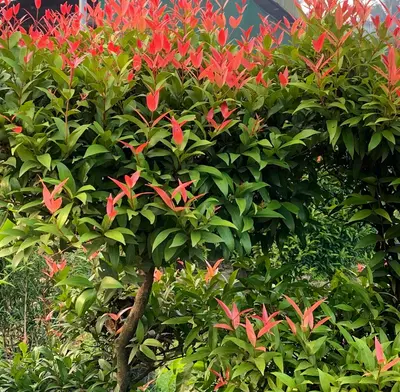
A cheerful flowering succulent that produces dense clusters of small, vibrant flowers in shades of red, pink, orange, yellow, or white above thick, glossy green leaves. This Madagascar native blooms for weeks at a time and is often sold as a gift plant during holidays due to its long-lasting, colorful display. With proper care, it can be encouraged to rebloom year after year, making it a rewarding houseplant for bright indoor locations.
Sun
Partial shade
Zones
10–12
USDA hardiness
Height
6-18 inches
Complete Growing Guide
Light: Partial Shade (Direct sunlight only part of the day, 2-6 hours). Soil: Loam (Silt), Sand. Soil pH: Acid (<6.0), Alkaline (>8.0), Neutral (6.0-8.0). Drainage: Good Drainage, Moist. Height: 0 ft. 6 in. - 1 ft. 6 in.. Spread: 0 ft. 6 in. - 1 ft. 0 in.. Spacing: Less than 12 inches. Growth rate: Slow. Maintenance: Low. Propagation: Stem Cutting.
Harvesting
The fruit is inconspicuous.
Edibility: Toxic if an part of the plant is ingested.
Storage & Preservation
Flaming Katy is a living houseplant, not a crop requiring post-harvest storage. However, to preserve plant longevity and vigor: keep the plant in a bright location with consistent temperatures above 50°F. If traveling, water thoroughly before leaving; the succulent nature means it tolerates 2-3 weeks without water.\n\nFor long-term preservation, propagate cuttings as insurance against plant loss. Cuttings root reliably in moist succulent soil within 2-3 weeks and can be kept as backup plants or shared. Store propagation soil in a cool, dry place. Dried cuttings (air-dried 24 hours before potting) can technically be stored in paper envelopes in cool conditions for weeks before planting, though fresh propagation yields faster establishment.\n\nIf the main plant declines with age (after 3-4 years), rejuvenate by taking fresh cuttings and starting new plants. This restarts the blooming cycle and maintains vigor.
History & Origin
Origin: Northeast Madagascar
Advantages
- +Attracts: Bees, Butterflies, Hummingbirds
- +Edible: Toxic if an part of the plant is ingested.
- +Low maintenance
Considerations
- -Toxic (Flowers, Leaves, Stems): Medium severity
Companion Plants
Flaming Katy does well grouped with other low-water succulents — Echeveria, Sedum, Jade Plant, and Hens and Chicks all share the same soil pH range (6.0–7.0) and the same dry-before-you-water discipline. That shared watering rhythm is what actually makes these pairings functional: one schedule fits all of them, and nobody gets drowned trying to satisfy a thirstier neighbor. Aloe Vera and String of Pearls fit the same pattern, and the contrast between Kalanchoe's waxy, clustered blooms and String of Pearls' trailing stems costs you nothing extra to maintain.
Mint and ferns belong in a completely different setup. Mint needs consistently moist soil and will either suffer alongside Kalanchoe or push you to water too often — either outcome causes a problem. Ferns require the kind of ambient humidity that tips Kalanchoe toward powdery mildew (Erysiphe spp.) on the leaf surface. Impatiens has the same high-water demands; put it in its own pot.
Plant Together
Jade Plant
Similar water and light requirements, compatible growth habits
Echeveria
Matching drought tolerance and full sun preferences
Sedum
Shared preference for well-draining soil and minimal watering
Aloe Vera
Similar succulent care needs and complementary foliage textures
String of Pearls
Compatible water requirements and creates attractive cascading contrast
Hens and Chicks
Both thrive in poor, well-draining soil with minimal care
Lavender
Drought-tolerant with similar sun exposure needs, repels pests
Rosemary
Shares preference for dry conditions and provides natural pest deterrent
Keep Apart
Mint
Requires frequent watering which can cause root rot in succulents
Ferns
Need high humidity and frequent watering, incompatible with succulent care
Impatiens
Require consistent moisture and shade, opposite of succulent needs
Pests & Disease Resistance
Resistance
Good resistance with proper watering
Common Pests
Aphids, mealybugs, scale insects
Diseases
Root rot, powdery mildew in humid conditions, leaf spot
Troubleshooting Flaming Katy
What you'll see, why it happens, and what to do about it.
Stems turning brown and mushy at the base, lower leaves going soft and translucent
Likely Causes
- Root rot (Phytophthora or Pythium spp.) — almost always from sitting in water or a pot without drainage
- Overwatering in winter when the plant's metabolism slows down
What to Do
- 1.Unpot the plant immediately and cut away any black or brown roots with clean scissors; let the root ball air-dry for 24 hours before repotting into fresh, well-draining succulent mix
- 2.Switch to a terracotta pot with a drainage hole — glazed ceramic and plastic both hold moisture too long for Kalanchoe
- 3.In winter, water no more than once every 2-3 weeks; the top inch of soil should feel completely dry before you add any water
White cottony clusters in leaf axils or along stems, leaves starting to look sticky or slightly distorted
Likely Causes
- Mealybugs (Pseudococcus spp.) — common on indoor succulents, spread easily from a newly purchased plant
- Low airflow and warm, dry indoor conditions that favor mealybug populations
What to Do
- 1.Dab individual bugs with a cotton swab soaked in 70% isopropyl alcohol — this kills on contact without damaging the leaf surface
- 2.For a heavier infestation, spray the whole plant with diluted neem oil (2 tsp per quart of water) every 7 days for 3 weeks
- 3.Quarantine any new succulent purchases for at least 2 weeks before setting them near your Flaming Katy
Frequently Asked Questions
How long does Flaming Katy take to flower?▼
Is Flaming Katy good for beginners?▼
Can you grow Flaming Katy in a pot indoors?▼
Why won't my Flaming Katy bloom?▼
How do you propagate Flaming Katy?▼
How often should you water Flaming Katy?▼
Growing Guides from Wind River Greens
Sources & References
External authority sources used in compiling this guide.
- ExtensionNC State Extension
See the Methodology page for how this data is sourced, what's AI-assisted, and known limitations.