Mizuna, Red Kingdom
Brassica rapa
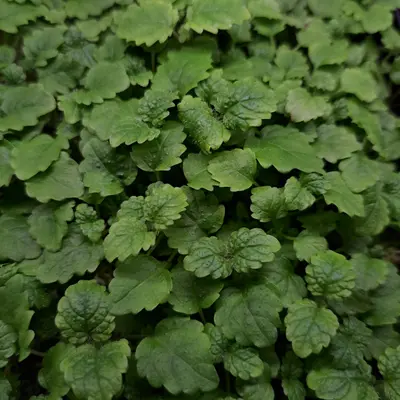
An improvement over Red Rain; darker red true leaves and blushed red cotyledons (first leaves). Based on our yield trial, we recommend seeding 9.5 gm per tray at approx. 3 flats per oz of seed. Avg. days to maturity was 14.5 days when harvested at the first true leaf (as opposed to cotyledon) stage. AAS Winner.
Harvest
10-15d
Days to harvest
Sun
Full sun to part shade
Zones
5–9
USDA hardiness
Height
3 feet
Planting Timeline
Showing dates for Mizuna, Red Kingdom in USDA Zone 7
All Zone 7 microgreen →Zone Map
Click a state to update dates
Mizuna, Red Kingdom · Zones 5–9
Growing Details
Succession Planting
Red Kingdom mizuna hits harvest in 10–15 days, so successions are less about spacing out the season and more about not growing faster than you can eat. Sow one 10×20-inch tray every 5–7 days; by the time you're cutting tray one, tray two is already halfway there. The zone 7 planting calendar runs January through December indoors under lights, so there's no off-season — the only real reason to pause is if your refrigerator is already full of greens, which happens sooner than most people expect.
Complete Growing Guide
An improvement over Red Rain; darker red true leaves and blushed red cotyledons (first leaves). Based on our yield trial, we recommend seeding 9.5 gm per tray at approx. 3 flats per oz of seed. Avg. days to maturity was 14.5 days when harvested at the first true leaf (as opposed to cotyledon) stage. AAS Winner. According to Johnny's Selected Seeds, Mizuna, Red Kingdom is 10 - 15 days to maturity, annual, hybrid (f1). Notable features: Hydroponic Performer, AAS (All-America Selections) Winners.
Light: Full sun (6 or more hours of direct sunlight a day), Partial Shade (Direct sunlight only part of the day, 2-6 hours). Soil: Clay, Loam (Silt), Sand. Soil pH: Acid (<6.0), Neutral (6.0-8.0). Drainage: Good Drainage, Moist. Height: 0 ft. 10 in. - 2 ft. 0 in.. Spread: 1 ft. 0 in. - 2 ft. 0 in.. Spacing: 12 inches-3 feet. Growth rate: Medium. Maintenance: Medium. Propagation: Seed, Stem Cutting. Regions: Coastal, Mountains, Piedmont.
Harvesting
Mizuna, Red Kingdom reaches harvest at 10 - 15 days from sowing per Johnny's Selected Seeds. Expect 5 g at peak. As an annual, harvest continues until frost ends the season.
The fruits dry and split when ripe.
Color: Brown/Copper, Green. Type: Siliqua. Length: > 3 inches.
Garden value: Edible
Harvest time: Fall, Summer
Bloom time: Spring, Summer
Edibility: The foliage is edible raw or cooked but when cooked can emit an unpleasant odor.
Storage & Preservation
Red Kingdom mizuna microgreens are best stored at 32–40°F in a breathable container lined with paper towels to wick away excess moisture; keep humidity around 95% to prevent wilting. Fresh microgreens typically last 5–7 days under these conditions, though flavor peaks within the first 3 days of harvest. For longer storage, freeze them whole on a tray before transferring to freezer bags—they work well in smoothies and cooked dishes, though texture softens. Blanching briefly before freezing helps preserve color and nutrients. Drying is less practical for microgreens due to their delicate leaves, but they can be air-dried slowly in a cool, dark space for tea blends. Red Kingdom's distinctive peppery-sweet notes fade quickly after freezing, so eat fresh when possible for best flavor. Consider successive sowings to maintain a steady supply of these tender greens rather than relying on storage.
History & Origin
Mizuna, Red Kingdom is an F1 hybrid developed through controlled cross-pollination. Listed in the Johnny's Selected Seeds catalog.
Brassica rapa is an annual to biennial plant species native to Eurasia that is from the Brassicaceae family. The B. rapa subspecies oleifera is an oilseed commonly known as turnip rape, field mustard, bird's rape, and keblock.
Advantages
- +Darker red true leaves offer superior visual appeal over Red Rain predecessor
- +Quick 10-15 day maturity enables rapid turnover and frequent harvesting cycles
- +AAS Winner status validates quality and performance in commercial growing conditions
- +Attractive blushed red cotyledons enhance marketability at earlier harvest stages
Considerations
- -Requires precise seeding rate of 9.5 gm per tray for optimal yield consistency
- -Brassica family susceptibility to common pests like flea beetles in certain environments
- -True leaf harvest stage demands more careful timing than simple cotyledon-only harvesting
Companion Plants
Red Kingdom mizuna grows in trays, not beds, so companion planting here means what shares your grow shelf. Lettuce and spinach are sensible neighbors: both want 12–14 hours of moderate light and similar humidity, so one timer and one misting schedule covers the whole rack. Radish microgreens germinate in 3–5 days and stay short enough that they won't shade a slower Brassica. Skip mustard greens and broccoli on the same tray — they're close enough relatives that a single case of damping off (Pythium spp.) can jump across shared root space and wipe out the whole batch.
Plant Together
Radish
Fast-growing companion that helps break up soil and doesn't compete for space
Lettuce
Similar growing requirements and harvest timing, efficient use of growing space
Spinach
Compatible cool-season crop with similar water and light needs
Peas
Nitrogen fixation enriches soil for leafy greens, compatible growth habits
Chives
Natural pest deterrent against aphids and flea beetles that target brassicas
Cilantro
Attracts beneficial insects and has similar cool-weather preferences
Carrots
Root depth doesn't compete with shallow microgreen roots
Arugula
Fellow brassica with compatible growing conditions and harvest timing
Keep Apart
Mustard Greens
Same family (Brassicaceae) leading to increased pest attraction and disease susceptibility
Broccoli
Competes for nutrients as fellow brassica and attracts same pests like cabbage worms
Tomatoes
Different water and temperature requirements, tomatoes prefer warmer conditions
Nutrition Facts
Per 100g serving. % Daily Value based on 2,000 calorie diet. Source: USDA FoodData Central (FDC #167782)
Troubleshooting Mizuna, Red Kingdom
What you'll see, why it happens, and what to do about it.
Seedlings topple at soil level, stems pinched and water-soaked, around day 4–6 after sowing
Likely Causes
- Damping off (Pythium spp. or Rhizoctonia solani) — caused by overwatering and poor airflow in the tray
- Seeding too densely, which traps moisture between stems
What to Do
- 1.Bottom-water only — pour water into the tray beneath, not onto the surface; let the top layer of medium dry slightly between waterings
- 2.Run a small fan on low for a few hours a day to move air across the canopy
- 3.Discard the affected tray; don't try to save it — Pythium spreads fast in tight quarters
Cotyledons pale yellow-green instead of the expected deep red-purple, even under grow lights
Likely Causes
- Insufficient light — Red Kingdom needs 12–16 hours of strong light daily to develop its anthocyanin pigment
- Light source too far from the tray — more than 4 inches above the canopy for T5 fluorescents, or beyond the recommended PPFD range for LEDs
What to Do
- 1.Lower your T5 fluorescent to within 2–4 inches of the canopy, or dial your LED to the manufacturer's seedling-stage PPFD recommendation
- 2.Set a timer for at least 14 hours — guessing the photoperiod is how you end up with washed-out color
- 3.A bright south-facing windowsill rarely delivers enough photons in winter; supplemental lighting almost always outperforms it for microgreens
Tiny ragged holes in leaves, or fuzzy white patches on cotyledons, at days 10–14
Likely Causes
- Fungus gnats (Bradysia spp.) — larvae chew roots and emerging adults damage tender tissue
- Powdery mildew (Erysiphe cruciferarum) — common on Brassica microgreens grown in humid, low-airflow conditions
What to Do
- 1.For fungus gnats, let the growing medium surface dry out between waterings — larvae die without consistent surface moisture; hang yellow sticky traps to catch adults
- 2.For powdery mildew, increase airflow immediately; a diluted hydrogen peroxide spray (1 part 3% H2O2 to 9 parts water) applied at lights-on can slow spread without damaging the cotyledons
- 3.Cut and eat at days 10–15 regardless — microgreens sitting past peak harvest accumulate problems fast
Frequently Asked Questions
How long does Red Kingdom mizuna microgreen take to harvest?▼
Is Red Kingdom mizuna good for beginners?▼
Can you grow Red Kingdom mizuna microgreens in containers?▼
What does Red Kingdom mizuna microgreen taste like?▼
What are the key features that make Red Kingdom different from Red Rain?▼
How much light does Red Kingdom mizuna microgreen need?▼
Zone-by-Zone Planting Calendar
| Zone | Indoor Start | Transplant | Direct Sow | Harvest |
|---|---|---|---|---|
| Zone 3 | January – December | — | — | January – December |
| Zone 4 | January – December | — | — | January – December |
| Zone 5 | January – December | — | — | January – December |
| Zone 6 | January – December | — | — | January – December |
| Zone 7 | January – December | — | — | January – December |
| Zone 8 | January – December | — | — | January – December |
| Zone 9 | January – December | — | — | January – December |
| Zone 10 | January – December | — | — | January – December |
| Zone 1 | January – December | — | — | January – December |
| Zone 2 | January – December | — | — | January – December |
| Zone 11 | January – December | — | — | January – December |
| Zone 12 | January – December | — | — | January – December |
| Zone 13 | January – December | — | — | January – December |
Growing Guides from Wind River Greens
Sources & References
External authority sources used in compiling this guide.
- BreederJohnny's Selected Seeds
- USDAUSDA FoodData Central
See the Methodology page for how this data is sourced, what's AI-assisted, and known limitations.