King Size Apricot
Callistephus chinensis
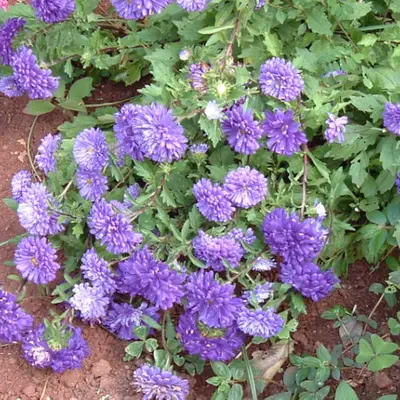
2 1/2-3" double and semidouble, light apricot-colored flowers. Compared to Tower Chamois, King Size Apricot plants are taller and equally as productive, blooms are similar in size and a shade lighter with a warmer (creamier yellow) tone, and petals are only slightly curled (whereas Tower Chamois' petals are heavily curled inward toward the center of the bloom).
Harvest
110-120d
Days to harvest
Sun
Full sun to partial shade
Zones
2–11
USDA hardiness
Height
1-3 feet
Planting Timeline
Showing dates for King Size Apricot in USDA Zone 7
All Zone 7 flower →Zone Map
Click a state to update dates
King Size Apricot · Zones 2–11
Growing Details
Succession Planting
King Size Apricot runs 110-120 days to bloom, so you're not stacking multiple successions the way you would with lettuce. In zone 7, start the first round indoors in late February, transplant in late April, and expect blooms in late August. A second round started indoors in mid-March and transplanted in mid-May will finish in September or early October — right before first frost typically arrives. Don't push direct sowing past early June; anything started later won't accumulate enough growing days before cold shuts things down.
If you're cutting for a specific event, skip the second round entirely and just back-calculate from your target date. Asters don't reliably rebloom after a hard cut the way zinnias do, so trying to squeeze a second flush from the same plant usually produces a handful of smaller, weaker stems rather than a second real show.
Complete Growing Guide
2 1/2-3" double and semidouble, light apricot-colored flowers. Compared to Tower Chamois, King Size Apricot plants are taller and equally as productive, blooms are similar in size and a shade lighter with a warmer (creamier yellow) tone, and petals are only slightly curled (whereas Tower Chamois' petals are heavily curled inward toward the center of the bloom). According to Johnny's Selected Seeds, King Size Apricot is 110 - 120 days to maturity, annual, open pollinated. Notable features: Use for Cut Flowers and Bouquets.
Light: Full sun (6 or more hours of direct sunlight a day), Partial Shade (Direct sunlight only part of the day, 2-6 hours). Soil: Clay, High Organic Matter, Loam (Silt), Sand. Soil pH: Acid (<6.0), Neutral (6.0-8.0). Drainage: Good Drainage, Moist. Height: 1 ft. 0 in. - 3 ft. 0 in.. Spread: 1 ft. 0 in. - 1 ft. 6 in.. Spacing: Less than 12 inches. Growth rate: Rapid. Maintenance: Medium. Regions: Coastal, Mountains, Piedmont.
Harvesting
King Size Apricot reaches harvest at 110 - 120 days from sowing per Johnny's Selected Seeds. Expect 2 1/2-3" at peak. As an annual, harvest continues until frost ends the season.
The fruit is a rough-textured, glandular, purple-mottled cypsela that turns gray with age.
Storage & Preservation
King Size Apricot flowers are best enjoyed fresh and should be stored in a cool environment. Keep cut flowers in a vase with fresh water in a cool room (65-72°F) away from direct sunlight and ripening fruits, which release ethylene gas. Change water every 2-3 days; flowers typically last 5-10 days. For preservation, air-dry flower petals by hanging bunches upside down in a dark, well-ventilated space for 1-2 weeks, creating dried botanicals for crafts. Alternatively, press flowers between parchment paper under heavy books for 2-3 weeks for flat specimens suitable for scrapbooking or herbals. Edible petals can be frozen in ice cubes with water for decorative use in beverages.
History & Origin
King Size Apricot is open-pollinated, meaning seed saved from healthy plants will produce true-to-type offspring. Listed in the Johnny's Selected Seeds catalog.
Origin: China and Southern Russia
Advantages
- +Produces abundant 2.5-3 inch double flowers with beautiful warm apricot tone
- +Taller plant habit provides excellent cut flower stems for arrangements
- +Light apricot color remains consistently reliable across growing seasons
- +Easy to grow variety suitable for beginner and experienced gardeners
- +Slightly curled petals create attractive natural appearance versus heavily crimped forms
Considerations
- -Longer 110-120 day maturity requires extended growing season in cool climates
- -Tall plants may require staking support in windy garden locations
- -Aster wilt and powdery mildew can affect plant health in humid conditions
Companion Plants
Lavender and chives pull their weight near King Size Apricot because their volatile sulfur compounds and aromatic oils disorient the aphids and thrips that home in on aster blooms. Marigolds — French types like 'Bonanza' in particular — add nematode suppression at the root zone and draw in hoverflies that knock back aphid colonies before they get a foothold. Sweet alyssum sown between rows keeps bare soil shaded and moist, and its tiny flowers feed parasitic wasps that target caterpillar eggs. Around here in the southeast, where June through August can bake an unprotected bed, that ground-level canopy does real work keeping soil temperatures down a few degrees.
Black walnut is a hard no within 50 feet of this bed — juglone leaches from roots, hulls, and leaf litter and will stunt or kill Callistephus outright, often before you figure out the cause. Give sunflowers at least 3-4 feet of separation too; they're aggressive water competitors at the root zone and tend to host the same aster leafhoppers that carry aster yellows phytoplasma.
Plant Together
Lavender
Attracts beneficial pollinators and repels aphids with its strong fragrance
Marigolds
Natural pest deterrent, repels nematodes and aphids while attracting beneficial insects
Nasturtiums
Acts as trap crop for aphids and cucumber beetles, draws pests away from apricot flowers
Chives
Repels aphids and other soft-bodied insects with sulfur compounds
Yarrow
Attracts predatory insects and improves soil health through deep root system
Sweet Alyssum
Attracts beneficial insects like hoverflies and parasitic wasps for natural pest control
Borage
Attracts pollinators and beneficial insects while improving soil through deep taproot
Comfrey
Dynamic accumulator that improves soil fertility and attracts beneficial insects
Keep Apart
Black Walnut
Produces juglone, a natural herbicide that inhibits growth of many plants including fruit trees
Sunflowers
Allelopathic compounds can inhibit nearby plant growth and competes heavily for nutrients
Eucalyptus
Releases allelopathic chemicals that suppress growth of nearby plants
Troubleshooting King Size Apricot
What you'll see, why it happens, and what to do about it.
Stems collapse at soil level on young transplants or seedlings, plant tips over and dies quickly
Likely Causes
- Damping off (Pythium or Rhizoctonia solani) — soil-borne fungi that thrive in cool, wet, poorly-drained conditions
- Overwatering or starting seeds in non-sterile potting mix
What to Do
- 1.Start seeds in a sterile seed-starting mix, not garden soil or reused potting mix
- 2.Water from below when possible and let the surface dry slightly between waterings
- 3.If it hits a whole tray, pull the affected seedlings, improve airflow with a small fan, and drench remaining cells with a diluted hydrogen peroxide solution (1 part 3% H2O2 to 9 parts water)
Leaves develop dark, water-soaked spots that turn brown and papery; spots may have a yellow halo
Likely Causes
- Aster leaf spot (Septoria callistephi) — a fungal disease that spreads fastest in warm, humid weather above 70°F
- Overhead watering or rain splash moving spores from soil to foliage
What to Do
- 1.Strip and bin the affected leaves — don't compost them
- 2.Switch to drip irrigation or water at the base; wet foliage overnight is asking for trouble
- 3.Space plants the full 18-24 inches apart so air moves through; crowded asters get this badly
Plants produce distorted, yellowed growth or fail to bloom past day 100 despite otherwise healthy conditions
Likely Causes
- Aster yellows — a phytoplasma disease spread by the aster leafhopper (Macrosteles quadrilineatus)
- Transplanting too late so summer heat peaks before buds can set
What to Do
- 1.Pull and dispose of any plant showing 'witches'-broom' growth or stunted, greenish petals — aster yellows has no cure and leafhoppers will keep moving it plant to plant
- 2.Cover transplants with row cover for the first 4-6 weeks to cut leafhopper access before plants get established
- 3.In zone 7, get transplants in the ground by early May so the 110-120 day countdown finishes before daytime highs lock in above 90°F
Frequently Asked Questions
How long do King Size Apricot flowers last after cutting?▼
Is King Size Apricot a good flower variety for beginners?▼
Can you grow King Size Apricot flowers in containers?▼
When should I plant King Size Apricot flower seeds?▼
What makes King Size Apricot different from Tower Chamois?▼
How much space do King Size Apricot plants need?▼
Zone-by-Zone Planting Calendar
| Zone | Indoor Start | Transplant | Direct Sow | Harvest |
|---|---|---|---|---|
| Zone 3 | April – May | June – July | June – August | — |
| Zone 4 | March – April | June – June | June – July | — |
| Zone 5 | March – April | May – June | May – July | — |
| Zone 6 | March – April | May – June | May – July | — |
| Zone 7 | February – March | April – May | April – June | — |
| Zone 8 | February – March | April – May | April – June | — |
| Zone 9 | January – February | March – April | March – May | — |
| Zone 10 | January – January | February – March | February – April | — |
| Zone 1 | May – June | July – August | July – September | — |
| Zone 2 | April – May | June – July | June – August | — |
| Zone 11 | January – January | January – February | January – March | — |
| Zone 12 | January – January | January – February | January – March | — |
| Zone 13 | January – January | January – February | January – March | — |
Growing Guides from Wind River Greens
Sources & References
External authority sources used in compiling this guide.
- BreederJohnny's Selected Seeds
See the Methodology page for how this data is sourced, what's AI-assisted, and known limitations.