Prizehead
Lactuca sativa 'Prizehead'
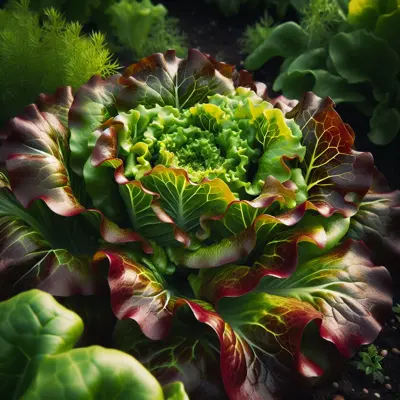
A stunning loose-leaf heirloom that's as beautiful as it is delicious, featuring large bronze-red tinged leaves that create a dramatic display in any garden. Dating back to the 1880s, this heat-tolerant variety produces abundantly in warm weather when other lettuces fail, making it indispensable for summer growing. The tender leaves have a mild flavor with just a hint of sweetness, perfect for adding color and nutrition to salads.
Harvest
50-60d
Days to harvest
Sun
Full sun to partial shade
Zones
2–11
USDA hardiness
Height
6-12 inches
Planting Timeline
Showing dates for Prizehead in USDA Zone 7
All Zone 7 lettuce →Zone Map
Click a state to update dates
Prizehead · Zones 2–11
Growing Details
Succession Planting
Direct sow Prizehead every 14 days starting March 1 in zone 7, and keep going through late April for a steady supply. Stop seeding once daytime highs are consistently at 80°F — Prizehead holds up better than most loose-leaf varieties, but quality drops off fast past that point and tipburn sets in hard by 85°F.
Pick back up with a fall run starting around August 20, sowing every 14 days through late September. Soil temps above 75°F will stall germination, so if you're seeding in late summer, chill your seeds in a damp paper towel in the refrigerator for 24 hours before sowing. That small step can cut germination time from 14 days down to closer to 7.
Complete Growing Guide
Prizehead thrives in warm-season growing when heat typically bolts other lettuce varieties, making it ideal for late spring through early fall planting in most climates. Unlike heat-sensitive cultivars, this bronze-leafed heirloom tolerates temperatures up to 75°F without immediate bolting, though it still appreciates afternoon shade in scorching regions. Plant in rich, consistently moist soil with good drainage to prevent root diseases, and space plants 8–10 inches apart to allow air circulation around those large, tender leaves. Watch for aphids, which are attracted to the ruffled foliage; a strong water spray or organic insecticidal soap addresses infestations early. To maximize the harvest window, succession-plant seeds every two weeks rather than harvesting the entire plant at once—Prizehead's loose-leaf form allows you to pick outer leaves continuously, extending productivity well beyond the typical 50–60 day window.
Light: Full sun (6 or more hours of direct sunlight a day), Partial Shade (Direct sunlight only part of the day, 2-6 hours). Soil: High Organic Matter. Soil pH: Neutral (6.0-8.0). Drainage: Good Drainage, Moist. Height: 0 ft. 6 in. - 1 ft. 0 in.. Spread: 0 ft. 6 in. - 1 ft. 0 in.. Spacing: Less than 12 inches. Growth rate: Rapid. Maintenance: Medium. Propagation: Seed. Regions: Coastal, Mountains, Piedmont.
Harvesting
Harvest Prizehead when the bronze-red outer leaves reach full size and develop their characteristic deep coloration, typically around 50-60 days from planting. The leaves should feel tender and crisp to the touch, not wilted or overly thick. For continuous harvests, pinch off outer leaves at the base while the plant is still young and tender, allowing the center to keep producing new growth—this method extends your harvest window significantly. Alternatively, cut the entire head just above soil level for a single harvest. Timing matters: pick in early morning when leaves are fully hydrated and crisp, before afternoon heat reduces their texture and flavor quality.
Tiny seeds with a dandelion-like tuft (pappus) to aid in wind dispersal.
Color: Brown/Copper. Type: Achene. Length: < 1 inch. Width: < 1 inch.
Harvest time: Summer
Edibility: Leaves can be used raw or cooked in salads, sandwiches, and other dishes. Head lettuce can be stored for 2-3 weeks while leaf and butterhead store for 1-2 weeks.
Storage & Preservation
Fresh Prizehead lettuce stores best when harvested dry and immediately placed in perforated plastic bags in your refrigerator's crisper drawer. Properly stored leaves maintain quality for 7-10 days at 32-35°F with high humidity. Avoid washing before storage—clean leaves just before use to prevent premature wilting.
For longer preservation, Prizehead's tender leaves aren't suitable for traditional preservation methods like canning or freezing for salads. However, you can successfully dehydrate young leaves at 95°F for 6-8 hours to create nutritious salad toppers or blend dried leaves into herb salts. The colorful leaves also work well in fermented preparations like kimchi or sauerkraut, where their mild flavor won't overpower other ingredients. For best results with fermentation, use leaves within 2-3 days of harvest and combine with stronger-flavored vegetables. Consider succession planting rather than preservation to ensure continuous fresh harvests throughout the growing season.
History & Origin
Originating in the United States during the 1880s, Prizehead emerged during a period of active vegetable breeding and seed catalog expansion. The variety belongs to the loose-leaf lettuce lineage that was gaining popularity among American gardeners seeking alternatives to heading types. While specific breeder attribution is not definitively documented in historical records, Prizehead was likely developed through selection by seed companies or gardeners working with existing loose-leaf germplasm. The variety gained prominence through seed catalogs of the era and has since become a foundational heirloom variety, valued for its heat tolerance and ornamental appeal. Its longevity in cultivation since the 1880s speaks to both its practical performance and aesthetic value in American gardens.
Origin: Mediterranean to Siberia
Advantages
- +Stunning bronze-red leaves add dramatic visual appeal to garden beds
- +Exceptional heat tolerance allows summer harvesting when other lettuces bolt
- +Ready to harvest in just 50-60 days from planting
- +Abundant loose-leaf production eliminates need for heading varieties
- +Mild, sweet flavor with subtle nuttiness enhances salads naturally
Considerations
- -Susceptible to downy mildew in cool, humid growing conditions
- -Prone to tipburn during extreme heat despite heat tolerance claims
- -Vulnerable to multiple pests including aphids, flea beetles, and slugs
Companion Plants
Radishes and carrots are the most practical neighbors for Prizehead. Radishes germinate in 5-7 days and break up the top inch of soil crust before your lettuce is established — they also draw flea beetles away from tender lettuce leaves, taking the damage themselves. Carrots share the bed without crowding the same root zone, and the mixed planting slows aphid colonies from taking hold by breaking up the dense single-crop canopy they prefer.
Chives and garlic both deter aphids, and that's a real mechanism — alliums release sulfur compounds that interfere with soft-bodied insects' ability to locate host plants. Skip fennel entirely near this bed; it produces allelopathic root exudates that stunt most vegetables at close range, and lettuce is no exception. Sunflowers will shade Prizehead into early bolting, which is the last thing you want from a variety you specifically chose for heat tolerance.
Plant Together
Chives
Repels aphids and other soft-bodied insects that damage lettuce
Carrots
Loosens soil with deep taproot, doesn't compete for space or nutrients
Radishes
Breaks up soil, deters flea beetles, and grows quickly between lettuce rows
Marigolds
Repels nematodes and aphids while attracting beneficial predatory insects
Nasturtiums
Acts as trap crop for aphids and cucumber beetles, draws pests away from lettuce
Dill
Attracts beneficial insects like ladybugs and parasitic wasps that control aphids
Garlic
Natural fungicide properties help prevent damping-off and other soil-borne diseases
Spinach
Similar growing requirements and harvest times, efficient use of garden space
Keep Apart
Broccoli
Heavy feeder that competes for nitrogen and can shade out lettuce
Sunflowers
Allelopathic compounds inhibit germination and growth of nearby lettuce
Fennel
Produces allelopathic chemicals that stunt growth of most vegetables including lettuce
Nutrition Facts
Per 100g serving. % Daily Value based on 2,000 calorie diet. Source: USDA FoodData Central (FDC #2346388)
Pests & Disease Resistance
Resistance
Excellent heat tolerance and resistance to bolting
Common Pests
Aphids, flea beetles, slugs, snails
Diseases
Downy mildew, lettuce drop, tipburn in extreme heat
Troubleshooting Prizehead
What you'll see, why it happens, and what to do about it.
Seedlings collapse at soil level within 7-10 days of going in the ground — stems look pinched or water-soaked at the base
Likely Causes
- Damping off (Pythium spp. or Rhizoctonia solani) — both thrive in cold, wet, poorly-draining soil
- Replanting the same bed with lettuce for 3+ consecutive seasons, which builds up pathogen load in the soil
What to Do
- 1.Hold off watering until the top inch of soil is dry — overwatering is what tips a marginal situation into a wipeout
- 2.If you see a fuzzy whitish mold on the soil surface, scratch in a thin layer of dry compost and improve airflow around seedlings
- 3.Rotate lettuce out of any bed that has had this problem — at least one full season, preferably two
Outer leaf edges turning brown and papery on heads that otherwise look fine, most visible in warm spells above 80°F
Likely Causes
- Tipburn — calcium stops moving to the leaf margins during heat stress, even when soil calcium levels are fine
- Wet-dry watering cycles that disrupt uptake and make the problem worse
What to Do
- 1.Keep soil moisture even — 1 inch per week, applied in steady increments rather than big irregular doses
- 2.Harvest heads by day 55-60; don't push Prizehead past its window in warm weather or tipburn accelerates fast
- 3.A 30-40% shade cloth can buy a few extra days during a heat spike without sacrificing the whole planting
Frequently Asked Questions
How long does Prizehead lettuce take to grow?▼
Can you grow Prizehead lettuce in containers?▼
Is Prizehead lettuce good for beginners?▼
What does Prizehead lettuce taste like?▼
When should I plant Prizehead lettuce for summer harvest?▼
Why are my Prizehead lettuce leaves staying green instead of turning bronze-red?▼
Zone-by-Zone Planting Calendar
| Zone | Indoor Start | Transplant | Direct Sow | Harvest |
|---|---|---|---|---|
| Zone 3 | — | — | May – June | June – October |
| Zone 4 | — | — | April – June | June – October |
| Zone 5 | — | — | April – May | June – November |
| Zone 6 | — | — | April – May | May – November |
| Zone 7 | — | — | March – May | May – November |
| Zone 8 | — | — | March – April | April – December |
| Zone 9 | — | — | February – March | March – December |
| Zone 10 | — | — | January – March | March – December |
| Zone 1 | — | — | June – July | July – September |
| Zone 2 | — | — | May – July | July – September |
| Zone 11 | — | — | January – February | February – December |
| Zone 12 | — | — | January – February | February – December |
| Zone 13 | — | — | January – February | February – December |
Growing Guides from Wind River Greens
Sources & References
External authority sources used in compiling this guide.
See the Methodology page for how this data is sourced, what's AI-assisted, and known limitations.