Madame Butterfly Mix
Antirrhinum majus
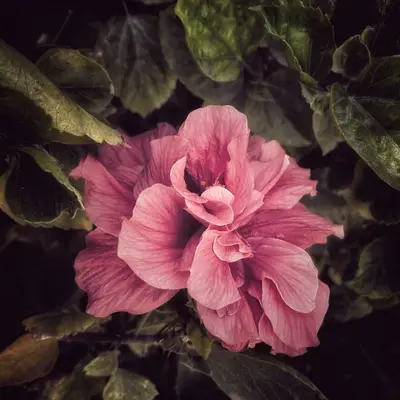
Wikimedia Commons via Antirrhinum majus
Also known as an azalea type, Madame Butterfly's double petals create full, fluffy blooms with a Victorian look. This mix consists of bronze/white, cherry/bronze, ivory, pink, red, rose, yellow and bronze blooms. For outdoor or greenhouse production. Bloom time comparable to group 3-4 "main season" or "all season" varieties. AAS Winner. Edible Flowers: The flowers are a colorful garnish for use in salads, desserts, and drinks. The flavor is floral and slightly bitter, so use sparingly.
Harvest
110-120d
Days to harvest
Sun
Full sun to partial shade
Zones
7–10
USDA hardiness
Height
0-3 feet
Planting Timeline
Showing dates for Madame Butterfly Mix in USDA Zone 7
All Zone 7 flower →Zone Map
Click a state to update dates
Madame Butterfly Mix · Zones 7–10
Growing Details
Succession Planting
Snapdragons are cool-preferring annuals that bloom best when nighttime temperatures stay below 70°F. In zone 7, start seeds indoors in late February or early March — they need 110–120 days to bloom, so count backward from your last frost date. Transplant out in April once nights are reliably above 40°F. For a second flush of color in fall, start a second tray indoors around late June and transplant in late August; they'll bloom from October into December in a mild year.
Don't bother with a midsummer succession round. Direct-sown seed in June will germinate fine, but the plants will sit through the heat of July and August without doing much, and they won't hit their stride until the same window as your fall transplants anyway. Put that bed space to work with something that actually wants the heat.
Complete Growing Guide
Also known as an azalea type, Madame Butterfly's double petals create full, fluffy blooms with a Victorian look. This mix consists of bronze/white, cherry/bronze, ivory, pink, red, rose, yellow and bronze blooms. For outdoor or greenhouse production. Bloom time comparable to group 3-4 "main season" or "all season" varieties. AAS Winner. Edible Flowers: The flowers are a colorful garnish for use in salads, desserts, and drinks. The flavor is floral and slightly bitter, so use sparingly. According to Johnny's Selected Seeds, Madame Butterfly Mix is 110 - 120 days to maturity, annual, hybrid (f1). Notable features: Use for Cut Flowers and Bouquets, Edible Flowers, Fragrant, AAS (All-America Selections) Winners.
Light: Full sun (6 or more hours of direct sunlight a day), Partial Shade (Direct sunlight only part of the day, 2-6 hours). Soil: High Organic Matter. Drainage: Good Drainage. Height: 0 ft. 6 in. - 3 ft. 0 in.. Spread: 0 ft. 6 in. - 0 ft. 10 in.. Spacing: Less than 12 inches. Growth rate: Medium. Maintenance: Medium.
Harvesting
Madame Butterfly Mix reaches harvest at 110 - 120 days from sowing per Johnny's Selected Seeds. Expect 3-4 " at peak. As an annual, harvest continues until frost ends the season.
A capsule, half hidden by calyx lobes, short-beaked.
Type: Capsule. Length: 1-3 inches.
Storage & Preservation
Fresh cut flowers last longest in a cool room (65-70°F) with fresh water and floral preservative. Keep out of direct sunlight and away from ripening fruit, which produces ethylene gas that shortens vase life. Change water every 2-3 days and re-cut stems at an angle. Blooms typically persist 7-10 days.
For edible petals, store fresh-harvested ones on a damp paper towel in a sealed container in the refrigerator for up to 24 hours. For longer preservation, try pressing petals between parchment paper in a heavy book for 1-2 weeks to create decorative, shelf-stable garnishes for special occasions. Alternatively, freeze petals in ice cubes with water—ideal for cocktails and beverages. You can also air-dry petals on a screen in a warm, dark location for 5-7 days, then store in an airtight container away from light for up to 3 months as a culinary decoration.
History & Origin
Madame Butterfly Mix is an F1 hybrid developed through controlled cross-pollination. Listed in the Johnny's Selected Seeds catalog.
Origin: Southwestern Europe
Advantages
- +Double petals create impressively full, fluffy Victorian-style blooms
- +Wide color mix provides diverse palette for garden design
- +AAS Winner status indicates reliable performance and quality
- +Edible flowers offer unique garnish option for culinary uses
- +Comparable bloom time to main season varieties ensures predictability
Considerations
- -Floral flavor is slightly bitter and requires sparing use
- -Double petals may trap moisture, increasing disease susceptibility
- -Requires greenhouse or controlled conditions for optimal production
Companion Plants
Alyssum is probably the most useful neighbor for Madame Butterfly snapdragons — its tiny flowers run nearly all season and draw in parasitic wasps and hoverflies that keep aphid pressure down without much effort on your part. Marigolds (especially Tagetes patula) are worth planting along the bed edge; their root secretions deter nematodes in the soil, which matters more than the above-ground pest-confusion effect most people credit them with. Nasturtiums pull double duty as a trap crop — aphids hit them before the snapdragons, giving you an early warning and an easy, concentrated target to treat.
Sunflowers are the plant to keep away from this mix. In our zone 7 Georgia garden, sunflowers and snapdragons often go in the ground around the same time, which makes the mistake easy — but sunflowers release allelopathic root exudates that can stunt nearby annuals through the whole growing season. Black walnut trees are a harder problem: juglone, the compound walnuts release into the soil, is broadly toxic to Antirrhinum, and it persists in the root zone long after a tree is removed. If there's an established walnut on your property, keep snapdragons well clear of its drip line.
Plant Together
Alyssum
Attracts beneficial insects and provides ground cover that retains moisture
Marigolds
Repels aphids, whiteflies, and nematodes while attracting pollinators
Nasturtiums
Acts as trap crop for aphids and cucumber beetles, protecting snapdragons
Petunias
Repels aphids, tomato hornworms, and squash bugs with natural compounds
Lavender
Deters pests like moths and beetles while attracting beneficial pollinators
Zinnia
Attracts butterflies and beneficial insects while providing complementary colors
Catmint
Repels ants, aphids, and rodents while attracting beneficial pollinators
Cosmos
Attracts beneficial insects and provides wind protection for delicate snapdragon stems
Keep Apart
Black Walnut Trees
Produces juglone toxin that inhibits growth and can kill snapdragons
Sunflowers
Competes heavily for nutrients and water, may release allelopathic compounds
Eucalyptus
Releases allelopathic oils that inhibit germination and growth of nearby plants
Pests & Disease Resistance
Common Pests
Aphids, spider mites (especially in hot, dry conditions)
Diseases
Gray mold (Botrytis) in humid climates or when foliage remains wet overnight
Troubleshooting Madame Butterfly Mix
What you'll see, why it happens, and what to do about it.
Sticky, distorted new growth or flower buds, often with small clusters of soft-bodied insects visible on stem tips
Likely Causes
- Aphid infestation (commonly Myzus persicae or Macrosiphum euphorbiae) — they colonize tender new tissue fast in spring
- Ant activity nearby, which often means aphids are being farmed for honeydew
What to Do
- 1.Knock aphids off with a firm stream of water from a hose — do it in the morning so foliage dries before evening
- 2.Spray with insecticidal soap (2 tablespoons per gallon of water) directly on colonies; repeat every 5–7 days until clear
- 3.Check for ant trails leading up the stems and use a sticky barrier around the base if ants are actively protecting the colony
Fine bronze or silver stippling across leaves, with tiny moving dots on the undersides — worst in July and August
Likely Causes
- Two-spotted spider mite (Tetranychus urticae) — population explodes in hot, dry weather above 85°F
- Water stress, which weakens the plant's ability to outpace mite damage
What to Do
- 1.Water consistently — at least 1 inch per week — since drought-stressed plants sustain mite populations far better than healthy ones
- 2.Spray the undersides of leaves with neem oil or insecticidal soap in the early morning; mites hide on the underside and most sprays miss them if you don't flip the leaf
- 3.If the planting is heavily infested by mid-August, cut it back hard and let it flush new growth rather than trying to salvage damaged foliage
Gray-brown fuzzy patches on flowers or upper stems, blooms rotting before fully opening — usually after several overcast or rainy days in a row
Likely Causes
- Gray mold (Botrytis cinerea) — thrives when humidity stays high and foliage or spent blooms sit wet overnight
- Spent flower petals left on the plant, which give Botrytis a soft tissue entry point
What to Do
- 1.Deadhead every 3–4 days, especially before a rainy stretch — don't let spent blooms sit
- 2.Improve airflow by thinning plants to at least 12 inches apart and switching to drip irrigation or morning watering only
- 3.Remove and bag (don't compost) any infected stems; Botrytis sporulates heavily and will spread to neighboring plants if left in the bed
Frequently Asked Questions
How long does Madame Butterfly Mix take to bloom from seed?▼
Can you grow Madame Butterfly Mix in containers?▼
Is Madame Butterfly Mix good for beginners?▼
What's the difference between Madame Butterfly Mix and regular double-flower varieties?▼
How do you harvest Madame Butterfly Mix flowers for arrangements?▼
Can you eat the flowers from Madame Butterfly Mix?▼
Zone-by-Zone Planting Calendar
| Zone | Indoor Start | Transplant | Direct Sow | Harvest |
|---|---|---|---|---|
| Zone 1 | May – June | July – August | July – September | — |
| Zone 2 | April – May | June – July | June – August | — |
| Zone 11 | January – January | January – February | January – March | — |
| Zone 12 | January – January | January – February | January – March | — |
| Zone 13 | January – January | January – February | January – March | — |
| Zone 3 | April – May | June – July | June – August | — |
| Zone 4 | March – April | June – June | June – July | — |
| Zone 5 | March – April | May – June | May – July | — |
| Zone 6 | March – April | May – June | May – July | — |
| Zone 7 | February – March | April – May | April – June | — |
| Zone 8 | February – March | April – May | April – June | — |
| Zone 9 | January – February | March – April | March – May | — |
| Zone 10 | January – January | February – March | February – April | — |
Growing Guides from Wind River Greens
Sources & References
External authority sources used in compiling this guide.
- BreederJohnny's Selected Seeds
See the Methodology page for how this data is sourced, what's AI-assisted, and known limitations.