Autumn Phlox
Phlox paniculata
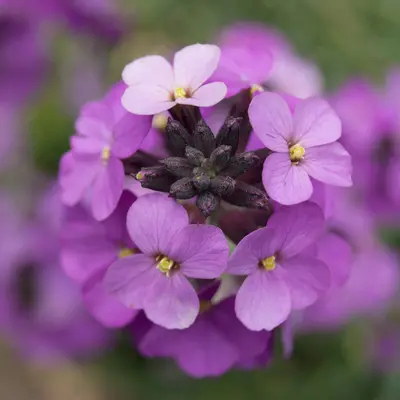
Autumn Phlox (Phlox paniculata) is a perennial native wildflower. Hardy in USDA zones 4 to 8.
Sun
Full sun to partial shade
Zones
4–8
USDA hardiness
Height
2-4 feet
Planting Timeline
Showing dates for Autumn Phlox in USDA Zone 7
All Zone 7 native-wildflower →Zone Map
Click a state to update dates
Autumn Phlox · Zones 4–8
Growing Details
Complete Growing Guide
Unlike generic native wildflowers, Autumn Phlox requires deadheading throughout its blooming season to prevent early seed set and encourage continuous flowering into fall. Plant in full sun with well-draining soil and ensure consistent moisture, as this cultivar is more prone to powdery mildew in humid conditions compared to other phlox species—spacing plants 18-24 inches apart improves air circulation. Autumn Phlox tends to stretch and become leggy if grown in partial shade or crowded conditions, so resist the temptation to plant too densely. The specific advantage of this variety is its extended bloom time from mid-summer through frost, but this requires vigilant pest monitoring for spider mites and stem borers. Pinch back stems in early June to promote bushier growth and reduce the height to a more manageable 2-3 feet while maintaining flower production.
Light: Full sun (6 or more hours of direct sunlight a day), Partial Shade (Direct sunlight only part of the day, 2-6 hours). Soil: Clay, High Organic Matter, Loam (Silt). Soil pH: Acid (<6.0), Alkaline (>8.0), Neutral (6.0-8.0). Drainage: Good Drainage, Moist. Height: 2 ft. 0 in. - 4 ft. 0 in.. Spread: 2 ft. 0 in. - 3 ft. 0 in.. Spacing: 12 inches-3 feet. Growth rate: Medium. Maintenance: Medium. Propagation: Division, Root Cutting, Seed, Stem Cutting. Regions: Coastal, Mountains, Piedmont.
Harvesting
Peak harvest readiness for Autumn Phlox occurs when flower clusters display fully opened blooms with vibrant color intensity and the individual florets feel firm to the touch rather than papery. The tall panicles should measure their full size with densely packed flowers covering most of the cluster length. This cultivar supports continuous harvesting throughout its blooming season, which typically extends from late summer through fall, allowing you to remove stems progressively rather than cutting all flowers at once. For optimal longevity, harvest in early morning after dew dries but before afternoon heat, cutting stems at a 45-degree angle just above a leaf node to encourage branching and extend your harvest window.
Harvest time: Fall
Storage & Preservation
Autumn Phlox flowers are best enjoyed fresh and do not require storage for consumption since they are ornamental. For cut flowers, store stems in a cool location (65-72°F) in a vase with fresh water, changing water every 2-3 days; flowers last 7-10 days indoors. For preservation, dry flowers by hanging small bundles upside down in a warm, dark, well-ventilated area for 2-3 weeks. Alternatively, press flowers between heavy books for 2-4 weeks to preserve them flat for crafts or arrangements. Freezing in ice cubes with water preserves flowers for decorative purposes in beverages.
History & Origin
Phlox paniculata, commonly known as panicle phlox or autumn phlox, is native to the eastern United States and has been cultivated as an ornamental for centuries. The species itself was not formally "bred" but rather selected and propagated by gardeners and horticulturists who recognized its late-season flowering and garden merit. While specific documentation of individual autumn phlox cultivars is often sparse, the species became a staple of American gardens during the Victorian era through both seed company offerings and gardening traditions. Many modern cultivars derive from selections made throughout the twentieth century, though precise breeder attribution and introduction dates remain undocumented for most varieties.
Origin: Eastern United States
Advantages
- +Produces fragrant, colorful flower clusters that bloom late summer through fall
- +Attracts pollinators like butterflies and hummingbirds to gardens during autumn months
- +Hardy perennial that returns reliably in zones 4-8 with minimal winter protection
- +Tolerates partial shade better than many native wildflower species
- +Long flowering period extends garden color when other plants fade
Considerations
- -Susceptible to powdery mildew in humid conditions without good air circulation
- -Requires consistently moist soil and struggles in dry or drought-prone locations
- -Tends to self-seed aggressively, potentially crowding out nearby plants
- -Needs regular deadheading to maintain appearance and prevent excessive reseeding
Companion Plants
New England Aster and Goldenrod are the strongest companions here because they bloom at roughly the same time as Autumn Phlox — late summer through fall — drawing in bumblebees, monarchs, and several native bee species that work all three plants at once. Black-Eyed Susan and Purple Coneflower push that pollinator window back into June, so you get active habitat for four solid months without a gap. Wild Bergamot pulls double duty: it attracts parasitic wasps (Braconidae and Chalcididae families) that prey on aphids, which are a recurring nuisance on Phlox paniculata all season.
Little Bluestem Grass is worth planting at the margins of any Phlox grouping. Its deep fibrous roots don't compete with Phlox's shallower root zone, and the dried stems give overwintering habitat for beneficial insects you'll want back in the bed next spring. Wild Ginger works well as a ground cover underneath taller Phlox — it holds soil moisture, suppresses weeds, and tolerates the partial shade that a 3-foot Phlox canopy casts by midsummer. Coral Bells fits the same niche at the border edge.
Black Walnut (Juglans nigra) is a hard no. It produces juglone — a phenolic compound that leaches from roots, hulls, and decomposing leaves — and Phlox paniculata is sensitive enough that plants within the drip line will yellow, stall, and often die within a season or two. Autumn Olive and Tree of Heaven aren't a chemistry problem so much as a competition one: both are aggressive enough to shade out and outroot almost anything planted nearby, and getting them removed should come before any companion planting plan.
Plant Together
New England Aster
Blooms simultaneously, attracts beneficial pollinators and creates stunning fall color combinations
Black-Eyed Susan
Complementary bloom times and heights, attracts diverse beneficial insects including predatory wasps
Wild Bergamot
Both attract butterflies and hummingbirds, bergamot's aromatic oils help deter harmful insects
Purple Coneflower
Similar growing conditions, sequential blooming extends pollinator season, sturdy stems provide mutual support
Little Bluestem Grass
Provides structural contrast and wind protection, shallow roots don't compete with phlox
Wild Ginger
Ground cover that retains soil moisture and suppresses weeds around phlox base
Goldenrod
Blooms simultaneously to create pollinator hotspot, attracts beneficial predatory insects
Coral Bells
Low growing companion that doesn't compete for light, helps retain soil moisture
Keep Apart
Black Walnut
Produces juglone toxin that inhibits growth and can kill phlox and most other plants
Autumn Olive
Aggressive invasive shrub that outcompetes native plants for nutrients and light
Tree of Heaven
Allelopathic compounds in roots and leaves inhibit growth of native wildflowers
Pests & Disease Resistance
Common Pests
Spider mites, aphids, slugs
Diseases
Powdery mildew, leaf spot
Troubleshooting Autumn Phlox
What you'll see, why it happens, and what to do about it.
White powdery coating on upper leaf surfaces, starting mid-summer, worst on older leaves and in dense clumps
Likely Causes
- Powdery mildew (Erysiphe cichoracearum) — the #1 problem with Phlox paniculata, especially in humid summers
- Poor airflow from tight spacing or nearby structures
What to Do
- 1.Thin stems inside the clump to 5-7 per plant to open up airflow — this alone reduces severity noticeably
- 2.Space plants at least 2.5 to 3 feet apart; don't crowd them against fences or walls
- 3.Apply a diluted neem oil spray (2 tbsp per gallon of water) every 7-10 days once you see early signs; it won't cure affected leaves but slows spread
Irregular brown or tan spots on leaves, sometimes with a yellow halo, appearing through the growing season
Likely Causes
- Leaf spot (Septoria or Cercospora species) — both are fungal, both spread by water splash and poor air circulation
- Overhead watering that keeps foliage wet overnight
What to Do
- 1.Water at the base of the plant, not overhead — a soaker hose is ideal
- 2.Strip and trash (not compost) badly spotted leaves as soon as you see them
- 3.Mulch around the base with 2-3 inches of shredded leaves or wood chips to reduce soil splash during rain
Stippled, bronze-tinted foliage that looks dusty or dull, often in dry spells
Likely Causes
- Spider mites (Tetranychus urticae) — they thrive in hot, dry conditions and build up fast on stressed plants
What to Do
- 1.Spray the undersides of leaves hard with plain water from a hose — mites hate moisture and this knocks populations back quickly
- 2.If the infestation is heavy, apply insecticidal soap (ready-to-use or 2-3% dilution) to leaf undersides every 5-7 days for 2-3 applications
- 3.Keep plants consistently watered during dry stretches; drought stress makes them far more susceptible
Ragged holes in lower leaves or flowers, damage concentrated near the soil line, mostly overnight
Likely Causes
- Slugs — worst in spring and early summer when nights are cool and wet, especially if plants are mulched heavily or growing near ground cover
What to Do
- 1.Set out shallow traps (a tuna can sunk to ground level, filled with cheap beer) near affected plants; check and empty every couple of days
- 2.Scatter food-grade diatomaceous earth in a ring around the base of each plant after watering — reapply after rain
- 3.Pull mulch back 3-4 inches from the crown; slugs use it as daytime cover
Frequently Asked Questions
When should I plant Autumn Phlox in my garden?▼
How much sunlight does Autumn Phlox need?▼
Is Autumn Phlox a good choice for beginner gardeners?▼
Can I grow Autumn Phlox in containers?▼
What pests and diseases affect Autumn Phlox?▼
How long does Autumn Phlox bloom?▼
Zone-by-Zone Planting Calendar
Growing Guides from Wind River Greens
Sources & References
External authority sources used in compiling this guide.
- ExtensionNC State Extension
See the Methodology page for how this data is sourced, what's AI-assisted, and known limitations.