New Red Fire
Lactuca sativa
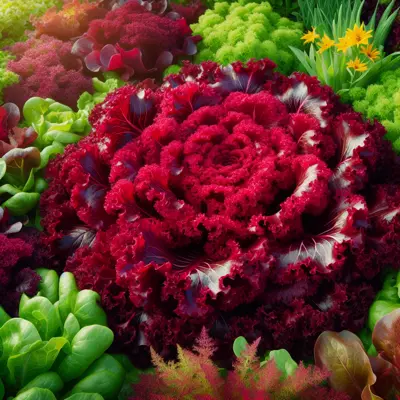
New Red Fire is relatively slow, but produces uniform, heavy heads of brightly colored, frilly leaves. MT0-30. Also available with NOP-compliant pelleting.
Harvest
55d
Days to harvest
Sun
Full sun to partial shade
Zones
2–11
USDA hardiness
Height
6-12 inches
Planting Timeline
Showing dates for New Red Fire in USDA Zone 7
All Zone 7 lettuce →Zone Map
Click a state to update dates
New Red Fire · Zones 2–11
Growing Details
Succession Planting
Direct sow New Red Fire every 14 days starting March 1 in zone 7, and keep going through late April. Once daytime highs are consistently above 80°F, this variety bolts fast — you can go from harvestable to bitter and flowering in under a week. Resume with a late-summer sowing around August 15, after peak heat breaks, and you can carry harvests through October or into November depending on your first frost date.
If you'd rather run a cut-and-come-again bed than harvest whole heads, sow a wider band every 10 days instead of 14. At 55 days to maturity, that cadence keeps something ready to cut at all times rather than producing one big flush you can't get through before it bolts.
Complete Growing Guide
New Red Fire lettuce thrives when started at the right time and given consistent cool conditions throughout its growth cycle. For spring crops, begin seeds indoors about four to six weeks before your last spring frost, or direct sow seeds directly into the garden two to three weeks before the last frost date. This variety performs exceptionally well in fall gardens, so consider a midsummer sowing for an autumn harvest when cooler temperatures arrive. Direct seeding is often preferred since New Red Fire tolerates transplanting but establishes more robustly when sown in place.
Prepare loose, well-draining soil rich in organic matter before planting, as this variety prefers consistent moisture without waterlogging. Sow seeds very shallowly, pressing them gently into moist soil at a depth of one-quarter inch or less—lettuce seeds need light to germinate. Space seedlings six to eight inches apart; while New Red Fire grows to only six to twelve inches tall, adequate spacing ensures good air circulation and promotes those uniform, heavy heads the variety is known for. Thin seedlings when they develop their first true leaves rather than waiting, as crowding reduces head development.
Water consistently and deeply, providing about one inch per week depending on rainfall and temperature. New Red Fire has relatively shallow roots, so frequent, light watering is preferable to irregular deep watering. During its fifty-five-day growth period, apply a balanced, nitrogen-rich fertilizer every three weeks, or work compost into the soil at planting time for sustained nutrition. Avoid excessive nitrogen late in the season, which can reduce the intensity of the red coloring in those distinctive frilly leaves.
Watch vigilantly for aphids and flea beetles, both of which are particularly attracted to the tender new growth of young New Red Fire plants. Lightweight row covers applied at planting protect against flea beetles in early season. Monitor closely for leafminer damage, which appears as thin, winding trails in the leaves—remove affected outer leaves promptly. Slugs favor the loose, frilly foliage of this variety, so handpicking and beer traps are especially worthwhile. For disease prevention, ensure excellent air circulation around plants and avoid overhead watering, which promotes downy mildew. This variety's dense, frilly leaves can trap moisture, making it slightly more susceptible to fungal issues than smoother-leaved lettuce types, so vigilance is essential.
Succession planting extends your harvest significantly. Rather than sowing all seeds at once, stagger plantings every two to three weeks for continuous production. The one thing gardeners often overlook with New Red Fire is that its slower growth rate—typical for red lettuce varieties—means it actually prefers slightly cooler temperatures than faster-maturing green lettuces. Push plantings into late summer and early fall when possible to capitalize on this variety's preference and ensure the most vibrant color development.
Harvesting
New Red Fire reaches harvest at 55 days from sowing per Johnny's Selected Seeds. As an annual, harvest continues until frost ends the season.
Tiny seeds with a dandelion-like tuft (pappus) to aid in wind dispersal.
Color: Brown/Copper. Type: Achene. Length: < 1 inch. Width: < 1 inch.
Harvest time: Summer
Edibility: Leaves can be used raw or cooked in salads, sandwiches, and other dishes. Head lettuce can be stored for 2-3 weeks while leaf and butterhead store for 1-2 weeks.
Storage & Preservation
Store freshly harvested New Red Fire lettuce in the refrigerator immediately after harvest to maintain its vibrant color and crisp texture. Wrap unwashed leaves loosely in damp paper towels, then place in perforated plastic bags in your refrigerator's crisper drawer. Properly stored leaves maintain quality for 7-10 days at 32-35°F with high humidity.
Wash leaves just before use in cold water, then dry thoroughly using a salad spinner. New Red Fire's tender nature makes it unsuitable for traditional preservation methods like canning or freezing, as the leaves become mushy. However, you can successfully dehydrate young leaves at 95°F for 6-8 hours to create colorful lettuce chips or dried seasoning blends.
For extending your harvest season, consider succession planting every 2 weeks rather than trying to preserve large quantities. The variety's heat tolerance allows for longer fresh harvesting periods compared to other red lettuces.
History & Origin
New Red Fire is open-pollinated, meaning seed saved from healthy plants will produce true-to-type offspring. Listed in the Johnny's Selected Seeds catalog.
Origin: Mediterranean to Siberia
Advantages
- +Produces uniform, heavy heads of visually striking brightly colored frilly leaves
- +Mild, sweet, tender flavor with subtle mineral notes appeals to diverse palates
- +Easy difficulty level makes it suitable for beginner and experienced gardeners
- +Relatively slow growth prevents premature bolting in warm conditions
Considerations
- -Slower maturity at 55 days reduces harvests per season compared to faster varieties
- -Susceptible to multiple pests including aphids, flea beetles, leafminers, and slugs
- -Vulnerable to downy mildew, lettuce drop, and bacterial soft rot diseases
Companion Plants
Radishes pull double duty here — they act as a trap crop for flea beetles, which will pepper lettuce leaves with small holes if given a better target, and they're out of the ground in 25–30 days before they compete for anything. Chives planted at the bed edge help break up aphid colonies that congregate on outer leaves, and shallow-rooted carrots share neither the same soil depth nor the same nutrients as lettuce, so that pairing costs nothing. Skip fennel: it releases allelopathic compounds from its roots that suppress germination and visibly stunt nearby plants, and lettuce is among the more sensitive crops to it. Broccoli is a different problem — at 18–24 inches tall, it shades a 6–12 inch variety like New Red Fire hard enough that you'll lose the outer leaves to etiolation before you ever harvest a head.
Plant Together
Chives
Repels aphids and improves lettuce flavor while providing natural pest deterrent
Carrots
Deep roots don't compete with shallow lettuce roots, helps break up soil
Radishes
Quick growth breaks up soil, repels flea beetles, harvested before lettuce needs space
Marigolds
Repels aphids, whiteflies, and nematodes while attracting beneficial insects
Nasturtiums
Acts as trap crop for aphids and cucumber beetles, edible flowers add garden interest
Spinach
Similar growing requirements, can be interplanted for succession harvests
Garlic
Natural pest deterrent against aphids and slugs, doesn't compete for space
Cilantro
Attracts beneficial insects, provides shade during hot weather, similar water needs
Keep Apart
Broccoli
Heavy feeder that competes for nutrients and creates too much shade for lettuce
Fennel
Allelopathic properties inhibit growth of lettuce and most other vegetables
Sunflowers
Allelopathic compounds suppress lettuce growth, creates excessive shade and root competition
Nutrition Facts
Per 100g serving. % Daily Value based on 2,000 calorie diet. Source: USDA FoodData Central (FDC #2346388)
Pests & Disease Resistance
Resistance
Good heat tolerance and bolt resistance. Resistant to tipburn.
Common Pests
Aphids, flea beetles, leafminers, slugs
Diseases
Downy mildew, lettuce drop, bacterial soft rot
Troubleshooting New Red Fire
What you'll see, why it happens, and what to do about it.
Seedlings collapse and die at soil level within the first 1–2 weeks after planting, sometimes with white fuzzy mold visible on the soil surface
Likely Causes
- Damping off — a fungal complex (often Pythium or Rhizoctonia) that thrives in cold, wet, poorly draining soil
- Planting the same bed in lettuce for 3+ consecutive years without rotation, allowing pathogen load to build up
What to Do
- 1.Don't replant lettuce in a bed that had damping off this season — rotate it out for at least one year
- 2.Improve drainage before the next sowing; raised beds or 2 inches of perlite worked into heavy clay both help
- 3.Start seeds in sterile seed-starting mix, not garden soil, if you're transplanting instead of direct-sowing
Pale yellow patches on the upper leaf surface with gray-purple fuzzy growth on the underside, most visible during cool, damp stretches
Likely Causes
- Downy mildew (Bremia lactucae) — spreads quickly in temperatures between 50–60°F with high humidity or overhead irrigation
- Crowded spacing under 6 inches that traps moisture between leaves
What to Do
- 1.Pull and trash (don't compost) affected leaves as soon as you spot them — Bremia lactucae spores travel by air and water splash
- 2.Water at the base of plants in the morning so foliage dries before nightfall
- 3.Thin plants to at least 6–8 inches apart; airflow does more preventive work here than any spray
Outer leaves going slimy and brown at the base, often with a foul smell, while the rest of the plant looks intact at first
Likely Causes
- Bacterial soft rot (Pectobacterium carotovorum) — enters through wounds or slug feeding damage, accelerates fast in wet conditions
- Slug feeding creating entry points overnight, especially in mulched or shaded beds
What to Do
- 1.Remove and discard the entire infected plant — soft rot moves to neighboring plants quickly once it's established
- 2.Set out slug traps (a shallow dish of beer works) or scatter iron phosphate bait around the bed at dusk
- 3.Don't bury transplant crowns below soil level; a crown sitting in wet soil invites infection at the most vulnerable point
Frequently Asked Questions
How long does New Red Fire lettuce take to grow?▼
Can you grow New Red Fire lettuce in containers?▼
What does New Red Fire lettuce taste like?▼
When should I plant New Red Fire lettuce?▼
Is New Red Fire lettuce good for beginners?▼
Why is my New Red Fire lettuce turning green?▼
Zone-by-Zone Planting Calendar
| Zone | Indoor Start | Transplant | Direct Sow | Harvest |
|---|---|---|---|---|
| Zone 3 | — | — | May – June | June – October |
| Zone 4 | — | — | April – June | June – October |
| Zone 5 | — | — | April – May | June – November |
| Zone 6 | — | — | April – May | May – November |
| Zone 7 | — | — | March – May | May – November |
| Zone 8 | — | — | March – April | April – December |
| Zone 9 | — | — | February – March | March – December |
| Zone 10 | — | — | January – March | March – December |
| Zone 1 | — | — | June – July | July – September |
| Zone 2 | — | — | May – July | July – September |
| Zone 11 | — | — | January – February | February – December |
| Zone 12 | — | — | January – February | February – December |
| Zone 13 | — | — | January – February | February – December |
Growing Guides from Wind River Greens
Sources & References
External authority sources used in compiling this guide.
- BreederJohnny's Selected Seeds
- USDAUSDA FoodData Central
See the Methodology page for how this data is sourced, what's AI-assisted, and known limitations.