October Glory Red Maple
Acer rubrum 'October Glory'
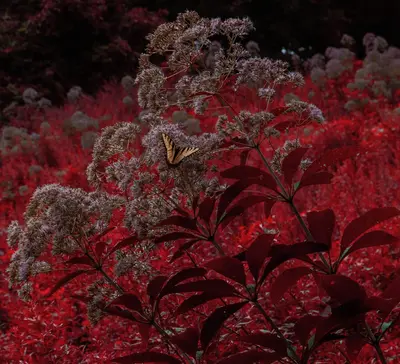
America's most reliable red maple for spectacular fall color, producing brilliant orange-red to crimson foliage that lasts weeks longer than other maples. This fast-growing native adapts to various soil conditions and consistently delivers the stunning autumn display that makes it a landscape favorite. An excellent choice for creating dramatic seasonal interest in large yards.
Sun
Full sun to partial shade
Zones
2–9
USDA hardiness
Height
40-120 feet
Planting Timeline
Showing dates for October Glory Red Maple in USDA Zone 7
All Zone 7 ornamental-tree →Zone Map
Click a state to update dates
October Glory Red Maple · Zones 2–9
Growing Details
Complete Growing Guide
October Glory Red Maple thrives best when planted in early spring or fall in locations receiving full sun to partial shade, as sunlight intensity directly influences the brilliance of its autumn coloration. Unlike standard red maples, this cultivar requires consistently moist soil during establishment and performs poorly in compacted clay without amendment, so work in organic matter before planting. Watch for chlorosis in alkaline soils and monitor for aphids and scale insects, which stress the tree and delay fall color display. The variety tends toward vigorous, upright growth that can require selective pruning to maintain structure and prevent weak branch angles from splitting under snow load. A practical tip: avoid high-nitrogen fertilizers that delay dormancy and mute fall color intensity; instead, apply balanced or phosphorus-rich formulations in early summer. Plant at least 30 feet from structures to accommodate mature spread, and water deeply during drought to ensure the extended color display this cultivar is bred to provide.
Light: Full sun (6 or more hours of direct sunlight a day), Partial Shade (Direct sunlight only part of the day, 2-6 hours). Soil: Clay, High Organic Matter, Loam (Silt), Sand. Soil pH: Acid (<6.0), Neutral (6.0-8.0). Drainage: Good Drainage, Moist, Occasional Flooding, Occasionally Dry, Occasionally Wet. Height: 40 ft. 0 in. - 120 ft. 0 in.. Spread: 30 ft. 0 in. - 50 ft. 0 in.. Spacing: more than 60 feet. Growth rate: Rapid. Maintenance: Low. Propagation: Root Cutting, Seed, Stem Cutting. Regions: Coastal, Mountains, Piedmont.
Harvesting
October Glory Red Maple reaches peak visual spectacle when foliage transitions to deep crimson or burgundy tones throughout the canopy, typically occurring in mid to late October depending on your region. The leaves feel papery and crisp when touched, signaling full color development and maturity. Rather than a single harvest moment, this cultivar provides extended visual interest through continuous seasonal change, with peak color lasting three to four weeks before leaf drop accelerates. Time your landscape viewing or photography for early morning light when fall colors appear most vibrant, as afternoon sun can wash out the intense red hues that make this maple legendary for autumn display.
The paired, winged, fruit is in a "V" shaped, red, pink, or yellow, winged samara about 3/4 of an inch long on drooping stems. They turn tan or brown when mature and drop from the plant. In North Carolina, the samaras are available from April to July.
Color: Brown/Copper, Gold/Yellow, Red/Burgundy, Variegated. Type: Samara. Length: < 1 inch.
Garden value: Showy
Harvest time: Spring, Summer
Edibility: The sap contains sugar and this can be used as a drink or be concentrated into a syrup by boiling off the water. The syrup is used as a sweetener on many foods. This species only yields about half the quantity obtained from the sugar maple (A. saccharum).
Storage & Preservation
October Glory doesn't require post-harvest storage as an ornamental foliage tree. However, if you wish to preserve fall foliage for indoor arrangements or pressed-flower projects:
Fresh Display Cut branches displaying peak color in late morning after dew dries. Recut the stem at a 45-degree angle and immediately place in room-temperature water with floral preservative. Arrangements last 7-10 days in cool conditions (65-70°F). Mist leaves daily to prevent desiccation; avoid direct sunlight, which fades colors prematurely.
Pressing Harvest perfect leaves at peak color and press between newspaper or blotting paper under heavy weights (books work well). After 2-3 weeks, pressed leaves retain surprisingly vivid color and can be framed or used in craft projects.
Silica Gel Preservation Pack fresh leaves in silica gel for faster, three-dimensional drying (5-7 days). This method preserves color and leaf shape better than pressing, though it's more expensive. Dried leaves last indefinitely in dry storage.
Leaf Composting The most practical use: collect dropped foliage in fall and compost in a separate pile. Maple leaves break down more slowly than softer leaves but eventually produce excellent compost enriched with the tree's seasonal nutrient cycling.
History & Origin
October Glory Red Maple emerged from the broader cultivation of native Acer rubrum species in North America, though documentation of its specific origin is limited. The cultivar likely arose through selective breeding or chance seedling selection during the mid-to-late twentieth century, when ornamental tree breeding intensified. The exact breeder and introduction year remain unclear in widely available horticultural records, but the variety reflects the era's focus on improving native maples for superior ornamental characteristics. Its development built upon red maple's natural fall color tendencies, selecting for the particularly vibrant and long-lasting crimson tones that distinguish October Glory from standard red maple populations.
Origin: Newfoundland to Florida West to Minnesota Oklahoma and Texas.
Advantages
- +Produces brilliant orange-red to crimson foliage lasting weeks longer than competitors
- +Fast-growing native tree that adapts to various soil conditions well
- +Consistently delivers spectacular fall color making it America's most reliable red maple
- +Excellent for creating dramatic seasonal interest in large residential yards
- +Easy to grow with minimal difficulty for most gardeners
Considerations
- -Vulnerable to multiple pests including aphids, scale insects, borers, and leafhoppers
- -Susceptible to verticillium wilt, tar spot, anthracnose, and root rot in wet soils
- -Requires adequate drainage as it struggles with poorly drained or waterlogged soil
Companion Plants
The shade-tolerant companions in our database — Hosta, Astilbe, Coral Bells, ferns, and Japanese Painted Fern — work here because they're built for the dry, low-light conditions under a mature maple canopy, and their shallow roots don't compete hard with the tree's feeder roots in that top 12-18 inches of soil. Azaleas share the same acidic pH preference (4.5-6.5) and do fine on the drip-line edge where they catch a few more hours of direct sun. Black Walnut is the one to keep well away — its roots produce juglone, a compound documented to be phytotoxic to Acer rubrum — and in zone 7 Georgia, bermudagrass is the subtler threat: it'll quietly out-compete a newly planted tree for water through July and August dry spells, and the mower you're running along its edge will nick the bark and open a door for borers.
Plant Together
Hosta
Thrives in partial shade created by maple canopy, complementary foliage textures
Astilbe
Enjoys dappled shade and consistent moisture from maple's root zone
Coral Bells
Shallow roots don't compete with maple, adds colorful foliage contrast
Ferns
Natural woodland companions that appreciate shade and leaf mulch
Wild Ginger
Native groundcover that thrives under maple canopy, prevents soil erosion
Azalea
Both prefer acidic soil and partial shade, complementary spring blooms
Caladium
Colorful shade-loving annual that complements maple's fall colors
Japanese Painted Fern
Silvery foliage provides contrast, thrives in maple's filtered light
Keep Apart
Black Walnut
Produces juglone toxin that can damage maple roots and inhibit growth
Large Conifers
Compete for water and nutrients, create overly dense shade
Turf Grass
Competes aggressively for surface water and nutrients with shallow maple roots
Pests & Disease Resistance
Resistance
Good overall disease resistance, improved over species
Common Pests
Aphids, scale insects, borers, leaf hoppers
Diseases
Verticillium wilt, tar spot, anthracnose, root rot in wet soils
Troubleshooting October Glory Red Maple
What you'll see, why it happens, and what to do about it.
Black or dark olive blotches on upper leaf surface, often with yellow halos, appearing mid to late summer
Likely Causes
- Tar spot (Rhytisma acerinum) — a fungal disease that overwinters in fallen leaf litter
- Wet, humid summers that keep foliage damp for extended periods
What to Do
- 1.Rake and bag all fallen leaves in autumn — do not compost them, as the fungus survives decomposition
- 2.Tar spot is cosmetic and won't kill the tree; no fungicide is needed unless the tree is young and heavily defoliated two years running
- 3.Improve airflow by thinning any shrubs or companions crowded directly underneath the canopy
Wilting of one or two major branches on an otherwise healthy tree, with green wood showing olive-brown streaking when you cut into a small branch
Likely Causes
- Verticillium wilt (Verticillium dahliae or V. albo-atrum) — a soil-borne fungus that colonizes the vascular tissue
- Planting in a bed previously occupied by susceptible crops like tomatoes, potatoes, or strawberries
What to Do
- 1.Prune out affected branches 6-12 inches below the visible discoloration and sterilize your saw between cuts with 70% isopropyl alcohol
- 2.Side-dress with a balanced fertilizer (10-10-10 at label rate) and keep watering consistently — a stressed tree declines faster
- 3.There is no cure; if more than 30-40% of the canopy is affected within a single season, removal is the practical call
Trunk or branch bark with small raised bumps, sticky honeydew on leaves below, or sooty black coating on the upper surface of lower leaves
Likely Causes
- Scale insects (commonly Cottony Maple Scale, Pulvinaria innumerabilis) feeding on bark and excreting honeydew
- The sooty mold is a secondary fungus growing on the honeydew — not a direct infection of the leaf
What to Do
- 1.Apply horticultural oil (2% dilution) in late winter or early spring before bud break, coating all bark surfaces thoroughly
- 2.A summer oil or neem oil application at 1% dilution can knock back crawlers in June when they're mobile and vulnerable
- 3.Check for ants moving up the trunk — ants farm scale insects and will actively protect them from predators; a sticky barrier band around the trunk at 4-5 feet stops them