Christmas Cactus
Schlumbergera x buckleyi
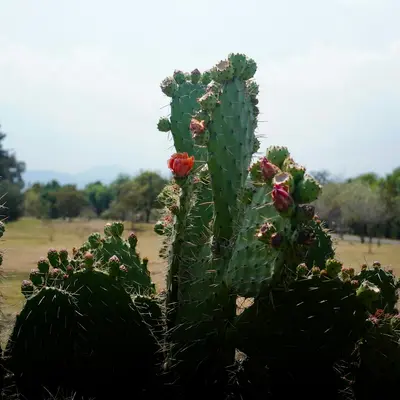
This Brazilian epiphytic cactus transforms from an attractive houseplant into a spectacular flowering display, producing cascades of vibrant tubular blooms during the holiday season. Unlike desert cacti, it prefers consistent moisture and indirect light, making it an ideal long-lived indoor companion that can bloom for decades.
Sun
Partial shade
Zones
9–11
USDA hardiness
Height
0-3 feet
Complete Growing Guide
Light: Partial Shade (Direct sunlight only part of the day, 2-6 hours). Soil: Sand. Soil pH: Acid (<6.0), Neutral (6.0-8.0). Drainage: Good Drainage, Moist, Occasionally Dry. Height: 0 ft. 6 in. - 3 ft. 0 in.. Spread: 1 ft. 0 in. - 3 ft. 0 in.. Spacing: 12 inches-3 feet. Maintenance: Low. Propagation: Root Cutting, Stem Cutting.
Harvesting
Peak readiness for Christmas Cactus blooms arrives when buds display deep pink or red coloring and feel firm yet slightly yielding to gentle pressure, typically reaching one to two inches in length. Unlike plants harvested for fruit or vegetables, Christmas Cactus flowers are enjoyed on the plant rather than cut for arrangements, though individual blooms can be carefully removed once fully open. The plant produces successive waves of flowers over several weeks rather than a single harvest, with blooms lasting three to five days each. For extended flowering, maintain temperatures between 50-60°F during the budding phase and avoid moving the plant once buds have set, as environmental stress can trigger bud drop and diminish your seasonal display.
Bloom time: Spring, Winter
Storage & Preservation
Christmas Cactus is a living perennial houseplant that doesn't require traditional storage. Keep the plant in a cool, indirectly lit location year-round, away from heating vents and temperature fluctuations. Maintain humidity at 40-50% and water when the top inch of soil feels dry. For preservation, propagate stem cuttings in spring to create backup plants, ensuring genetic continuity. Additionally, take photographs of prized specimens and keep care notes documenting blooming conditions. Repot every 2-3 years to refresh soil and prevent root-bound conditions, extending the plant's lifespan to decades.
History & Origin
Origin: Southeast Brazil
Advantages
- +Attracts: Hummingbirds, Songbirds
- +Low maintenance
Companion Plants
Christmas Cactus groups well with Snake Plant, Pothos, ZZ Plant, and Peace Lily because all four share similar light and watering rhythms — none of them need to dry out completely between drinks, and none will crowd Schlumbergera's shallow roots in a container arrangement. Here in the southeast, where forced-air heat dries out indoor rooms fast starting in October, clustering it near a Boston Fern adds ambient humidity right when the plant is setting buds, no humidifier required. Jade Plant, Aloe Vera, and Barrel Cactus are the wrong neighbors — those are true desert species that need complete dry-down between waterings, and the consistently moist soil that keeps a Christmas Cactus happy will rot their roots out within a single season.
Plant Together
Snake Plant
Similar water requirements and both thrive in bright, indirect light
Pothos
Compatible humidity needs and both prefer consistent moisture without waterlogging
ZZ Plant
Similar low-maintenance care requirements and tolerance for lower light conditions
Peace Lily
Both prefer indirect light and help maintain beneficial humidity levels for each other
Philodendron
Compatible watering schedules and both benefit from similar room temperatures
Spider Plant
Both are non-toxic houseplants with similar light and humidity preferences
Rubber Plant
Similar preference for bright, indirect light and consistent but not excessive watering
Boston Fern
Creates beneficial humidity microclimate and shares preference for indirect light
Keep Apart
Jade Plant
Requires much less water and different soil drainage, leading to overwatering issues
Aloe Vera
Needs significantly less water and more direct sunlight than Christmas Cactus
Barrel Cactus
Requires desert-like conditions with minimal water, opposite of Christmas Cactus needs
Pests & Disease Resistance
Resistance
Generally resistant when grown in proper conditions
Common Pests
Mealybugs, scale insects, spider mites, fungus gnats
Diseases
Root rot, stem rot, botrytis blight in overly wet conditions
Troubleshooting Christmas Cactus
What you'll see, why it happens, and what to do about it.
White cottony clusters in leaf joints or along stems, often first spotted when moving the plant
Likely Causes
- Mealybugs (Pseudococcidae) — common hitchhikers from nearby houseplants or new nursery stock
- Overcrowded indoor conditions with low airflow
What to Do
- 1.Dab individual bugs with a cotton swab soaked in 70% isopropyl alcohol — get into every joint
- 2.Follow up with a neem oil spray (2 tsp neem per quart of water) every 7 days for 3 weeks
- 3.Quarantine the plant from your other houseplants until you've had two clean weeks
Stem segments going limp, shriveling, or turning yellow-orange starting at the soil line
Likely Causes
- Root rot or stem rot from Pythium or Fusarium — almost always from soil staying wet too long
- A pot without drainage holes, or a decorative outer pot trapping standing water
What to Do
- 1.Unpot the plant and cut away any black or mushy roots with clean scissors; let the root ball air-dry for a few hours
- 2.Repot into fresh, well-draining mix — a 50/50 blend of potting soil and perlite works fine
- 3.Water only when the top inch of soil is dry, and never let the pot sit in a saucer of standing water
Flower buds forming and then dropping off before they open, usually in November or December
Likely Causes
- Temperature swings — drafts from heating vents, exterior doors, or cold windows below 50°F stress the plant during bud set
- Moving the plant after buds have already formed
- Artificial light at night disrupting the 13–14 hours of darkness Schlumbergera needs to complete its bloom cycle
What to Do
- 1.Set the plant somewhere that holds steady between 60–68°F and leave it there once buds appear
- 2.Pull it away from heating vents and drafty windowsills — that single fix solves most bud-drop complaints
- 3.During October and November, make sure it gets uninterrupted dark nights; even a lamp left on across the room can abort the cycle
Frequently Asked Questions
How long does a Christmas Cactus bloom?▼
Is Christmas Cactus good for beginners?▼
Can you grow Christmas Cactus in containers?▼
When should I propagate Christmas Cactus?▼
Why isn't my Christmas Cactus blooming?▼
How often should I water my Christmas Cactus?▼
Growing Guides from Wind River Greens
Sources & References
External authority sources used in compiling this guide.
- ExtensionNC State Extension
See the Methodology page for how this data is sourced, what's AI-assisted, and known limitations.