Fountain Grass
Pennisetum alopecuroides
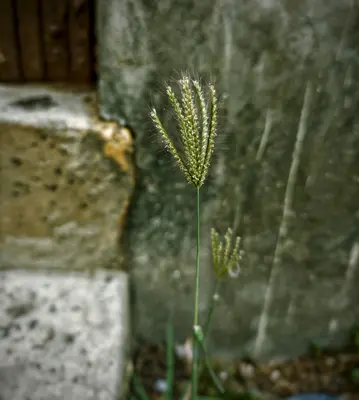
A stunning ornamental grass that creates dramatic focal points with its arching foliage and distinctive bottlebrush plumes that dance in the breeze. This low-maintenance perennial grass offers four seasons of interest, turning golden-tan in fall and providing winter structure before fresh green growth emerges in spring.
Sun
Full sun to partial shade
Zones
5–9
USDA hardiness
Height
3 feet
Planting Timeline
Showing dates for Fountain Grass in USDA Zone 7
All Zone 7 grass →Zone Map
Click a state to update dates
Fountain Grass · Zones 5–9
Growing Details
Complete Growing Guide
Height: Height: 2.50 to 5.00 feet. Spread: Spread: 2.50 to 5.00 feet. Sun: Sun: Full sun to part shade. Water: Water: Medium to wet. Zones: Zone: 6 to 9. Bloom time: Bloom Time: July to February. Maintenance: Maintenance: Low.
Harvesting
Bloom time: Bloom Time: July to February
Storage & Preservation
Fountain grass doesn't require traditional storage as it's a perennial plant left in the ground year-round. Once established in the garden, it's maintenance-free through winter. If harvesting plumes for dried arrangements, store cut stems in a cool, dry place (60-70°F, low humidity) in a vase without water for 2-3 weeks. For preservation, allow plumes to air-dry naturally indoors away from direct sunlight, or spray-paint them to preserve color. Dried plumes last 6-12 months when stored in a dust-free environment. The living plant survives winter dormancy and re-emerges in spring without special care.
History & Origin
Pennisetum alopecuroides, commonly known as fountain grass, originates from Asia, particularly China, Japan, and Korea, where it grows naturally in grasslands and mountainous regions. The species was introduced to Western horticulture during the late 19th and early 20th centuries as ornamental gardening expanded globally. While specific breeding documentation for early cultivars remains limited, fountain grass became widely cultivated through seed company introductions and nursery propagation throughout Europe and North America during the mid-20th century. Modern ornamental selections have been refined by various breeders and institutions to emphasize desirable traits like compact form, vibrant plume color, and extended seasonal interest, though detailed records of individual cultivar development are often sparse in horticultural literature.
Family: Family: Poaceae
Advantages
- +Creates dramatic focal points with distinctive bottlebrush plumes and arching foliage
- +Provides four seasons of visual interest from spring growth to winter structure
- +Extremely low-maintenance perennial requiring minimal care once established
- +Naturally deer-resistant, making it ideal for wildlife-prone gardens
- +Golden-tan fall color adds warmth to autumn landscapes
Considerations
- -Requires well-drained soil; susceptible to root rot in wet conditions
- -Can self-seed prolifically in warm climates, potentially becoming invasive
- -Slow to establish in first year despite being ultimately low-maintenance
Companion Plants
Black-Eyed Susan, Purple Coneflower, and Sedum are the strongest pairings — all three thrive in lean, well-drained soil at the same pH range (6.0–7.5) and won't push the grass to compete for water. Lavender and Russian Sage add similar drought tolerance with a contrasting silhouette, and neither will crowd a 24-30 inch spread. Skip mint: it travels aggressively by underground rhizomes and will thread itself through the grass clump until the two are inseparable without full excavation. Large Hostas are a flat mismatch — they want consistent moisture and afternoon shade, which means managing the bed to suit them actively courts the Pythium root rot this grass is prone to in wet conditions.
Plant Together
Black-Eyed Susan
Complementary colors and bloom times, both thrive in similar sun and soil conditions
Purple Coneflower
Attracts beneficial insects and pollinators, similar drought tolerance
Sedum
Contrasting textures, both are drought-tolerant and low-maintenance
Lavender
Repels pests, attracts pollinators, and thrives in similar well-draining soil
Russian Sage
Deer resistant, drought tolerant, and provides contrasting silvery foliage
Catmint
Repels mosquitoes and rodents, blooms complement grass texture
Blanket Flower
Long blooming period, attracts butterflies, similar water requirements
Salvia
Attracts hummingbirds and beneficial insects, heat and drought tolerant
Keep Apart
Mint
Aggressive spreader that can overtake fountain grass and compete for space
Large Hostas
Competing water and nutrient needs, hostas prefer shade while fountain grass needs sun
Impatiens
Require frequent watering and rich soil, opposite of fountain grass's drought tolerance
Pests & Disease Resistance
Resistance
Excellent disease resistance, very hardy
Common Pests
Aphids occasionally, deer resistant
Diseases
Root rot in poorly drained soils, generally disease-free
Troubleshooting Fountain Grass
What you'll see, why it happens, and what to do about it.
Clump center dying out — brown, dead stems in the middle with healthy growth only around the outer ring
Likely Causes
- Natural maturation: Pennisetum alopecuroides clumps die from the center outward every 3-5 years
- Overcrowding from lack of division
What to Do
- 1.Dig the whole clump in early spring before new growth exceeds 4 inches, split it into fist-sized sections with a sharp spade, and replant the healthy outer divisions at 24-30 inches apart
- 2.Discard the dead center — it won't recover
- 3.Top-dress the replanted divisions with an inch of compost to help them reestablish
Roots soft and dark brown at the crown, plant wilting despite moist soil
Likely Causes
- Root rot — most commonly Pythium or Fusarium species — triggered by consistently waterlogged soil
- Heavy clay soil or a low spot that holds water after rain
What to Do
- 1.Pull the plant and cut away all rotted roots; if more than half the root mass is gone, compost it and start over with a new division
- 2.Replant only in well-drained soil amended with coarse grit or pine bark fines, or raise the bed 4-6 inches above grade
- 3.Going forward, water only when the top 2 inches of soil are dry — this grass tolerates short dry spells far better than it tolerates wet feet
Frequently Asked Questions
Can you grow Fountain Grass in containers?▼
How long does Fountain Grass take to mature?▼
Is Fountain Grass good for beginners?▼
When should I plant Fountain Grass?▼
How often should I water Fountain Grass?▼
Does Fountain Grass attract wildlife?▼
Zone-by-Zone Planting Calendar
Growing Guides from Wind River Greens
Sources & References
External authority sources used in compiling this guide.
- Bot. GardenMissouri Botanical Garden
See the Methodology page for how this data is sourced, what's AI-assisted, and known limitations.