Foxglove Beardtongue
Penstemon digitalis
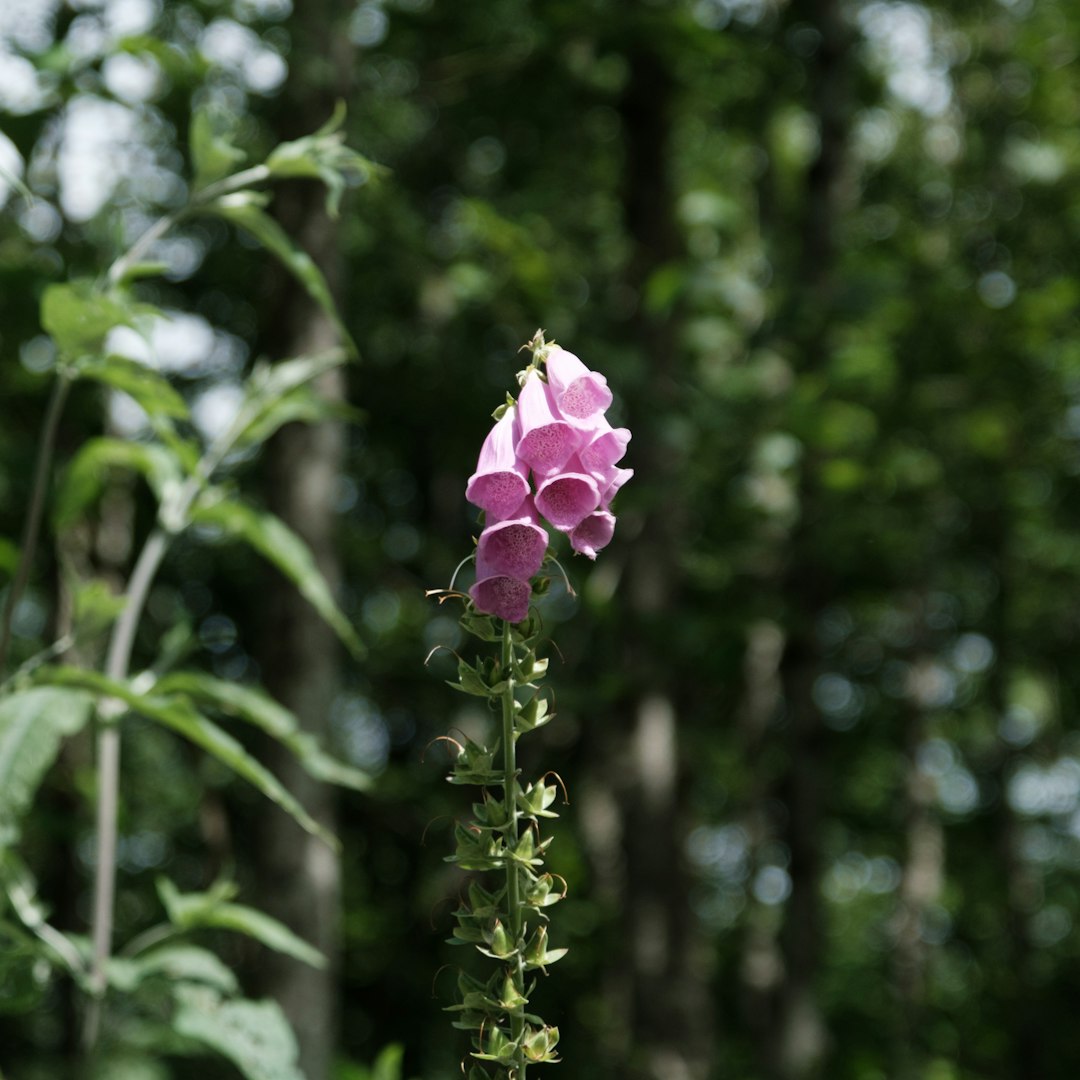
Foxglove Beardtongue (Penstemon digitalis) is a perennial native wildflower. Hardy in USDA zones 3 to 8.
Sun
Full sun to partial shade
Zones
3–8
USDA hardiness
Height
2-4 feet
Planting Timeline
Showing dates for Foxglove Beardtongue in USDA Zone 7
All Zone 7 native-wildflower →Zone Map
Click a state to update dates
Foxglove Beardtongue · Zones 3–8
Growing Details
Complete Growing Guide
Light: Full sun (6 or more hours of direct sunlight a day), Partial Shade (Direct sunlight only part of the day, 2-6 hours). Soil: Clay, Loam (Silt), Sand. Soil pH: Acid (<6.0). Drainage: Good Drainage, Moist, Occasionally Dry. Height: 2 ft. 0 in. - 4 ft. 0 in.. Spread: 1 ft. 6 in. - 2 ft. 0 in.. Growth rate: Rapid. Maintenance: Low. Regions: Mountains, Piedmont.
Harvesting
Oval seed capsules, each containing numerous seeds from July to August.
Type: Capsule.
Harvest time: Summer
Storage & Preservation
Foxglove Beardtongue is an ornamental native wildflower, not typically harvested for storage. If collecting seeds for propagation, store them in a cool, dry place at 50-60°F with low humidity (30-40%) in paper envelopes or sealed containers; seeds remain viable for 1-2 years. For preserving cut flowers, place stems in fresh water immediately after cutting, change water every 2-3 days, and keep in a cool location away from direct sun—they last 7-10 days. To preserve for dried arrangements, hang bundles upside down in a warm, dry, well-ventilated area for 2-3 weeks until completely dried.
History & Origin
Origin: Central and Eastern USA
Advantages
- +Attracts: Butterflies, Hummingbirds, Pollinators, Songbirds, Specialized Bees
- +Fast-growing
- +Low maintenance
Companion Plants
The best companions for Foxglove Beardtongue are plants that share its preferences without competing for the same resources. Purple Coneflower (Echinacea purpurea) and Black-eyed Susan (Rudbeckia hirta) are the most natural pairings — all three are native, tap-rooted, and drought-tolerant once established, so they don't fight each other for moisture in the top 6 inches of soil. They also bloom in overlapping windows, which keeps pollinators cycling through the same patch across 10–12 weeks of summer. Little Bluestem Grass is worth planting at the back or edges: it fills structural gaps, doesn't spread aggressively, and its fine texture breaks up what can otherwise be a stiff-looking border.
Wild Bergamot and Yarrow both pull in parasitic wasps and predatory beetles that incidentally reduce aphid and spider mite pressure across the whole planting — not dramatic, but measurable. Prairie Sage stays low and dry, leaving room for Penstemon's 2–4 foot vertical habit without shading its crown.
Keep Foxglove Beardtongue well away from Black Walnut (Juglans nigra). Walnut roots and decomposing leaf litter release juglone into the surrounding soil — the affected zone can extend 50 feet from the trunk — and most herbaceous perennials, Penstemon included, decline or die outright when planted inside it. Crown Vetch is a different problem: it's a documented invasive spreader in many states and will physically overtop and smother shorter perennials within two or three seasons. Don't try to work around either of them.
Plant Together
Purple Coneflower
Attracts beneficial insects and pollinators, similar growing conditions
Black-eyed Susan
Complementary bloom times, attracts predatory insects that control pests
Wild Bergamot
Attracts hummingbirds and butterflies, natural pest deterrent properties
Little Bluestem Grass
Provides structural support and wind protection, similar drought tolerance
Yarrow
Attracts beneficial insects and improves soil health through deep roots
Prairie Sage
Repels harmful insects with aromatic oils, thrives in similar conditions
Wild Columbine
Attracts hummingbirds and specialized pollinators, complementary root systems
Blanket Flower
Extended bloom period supports pollinators, similar water and sun requirements
Keep Apart
Black Walnut
Produces juglone toxin that inhibits growth of sensitive plants
Autumn Olive
Aggressive invasive shrub that outcompetes native plants for resources
Crown Vetch
Invasive groundcover that smothers native wildflowers through aggressive spreading
Pests & Disease Resistance
Common Pests
Japanese beetles, spider mites
Diseases
Leaf spot, powdery mildew in humid conditions
Troubleshooting Foxglove Beardtongue
What you'll see, why it happens, and what to do about it.
White powdery coating on leaves and stems, usually showing up mid-summer when nights get humid
Likely Causes
- Powdery mildew (Erysiphe or Golovinomyces spp.) — thrives in warm days with high nighttime humidity
- Poor airflow from crowded planting at less than 18-inch spacing
What to Do
- 1.Cut affected stems back by about a third and throw the clippings in the trash, not the compost
- 2.Thin surrounding plants if they're closer than 18 inches — airflow is your main tool here
- 3.Apply a diluted neem oil spray (2 tbsp per gallon of water) every 7-10 days if the mildew keeps spreading
Ragged, chewed petals and notched leaf edges appearing in late June through August
Likely Causes
- Japanese beetles (Popillia japonica) — they feed in clusters and prefer blooms and tender foliage
- Occasionally grasshoppers during dry stretches, though the damage pattern is messier
What to Do
- 1.Hand-pick Japanese beetles into a bucket of soapy water in the early morning when they're sluggish
- 2.Avoid Japanese beetle traps nearby — University of Kentucky Extension research shows traps attract more beetles than they catch
- 3.If pressure is heavy year after year, consider relocating this planting away from turf grass, which hosts beetle grubs
Frequently Asked Questions
How long does Foxglove Beardtongue bloom?▼
Is Foxglove Beardtongue good for beginners?▼
Can you grow Foxglove Beardtongue in containers?▼
When should I plant Foxglove Beardtongue?▼
What pollinators does Foxglove Beardtongue attract?▼
Does Foxglove Beardtongue need deadheading?▼
Zone-by-Zone Planting Calendar
Growing Guides from Wind River Greens
Sources & References
External authority sources used in compiling this guide.
- ExtensionNC State Extension
See the Methodology page for how this data is sourced, what's AI-assisted, and known limitations.