New York Ironweed
Vernonia noveboracensis
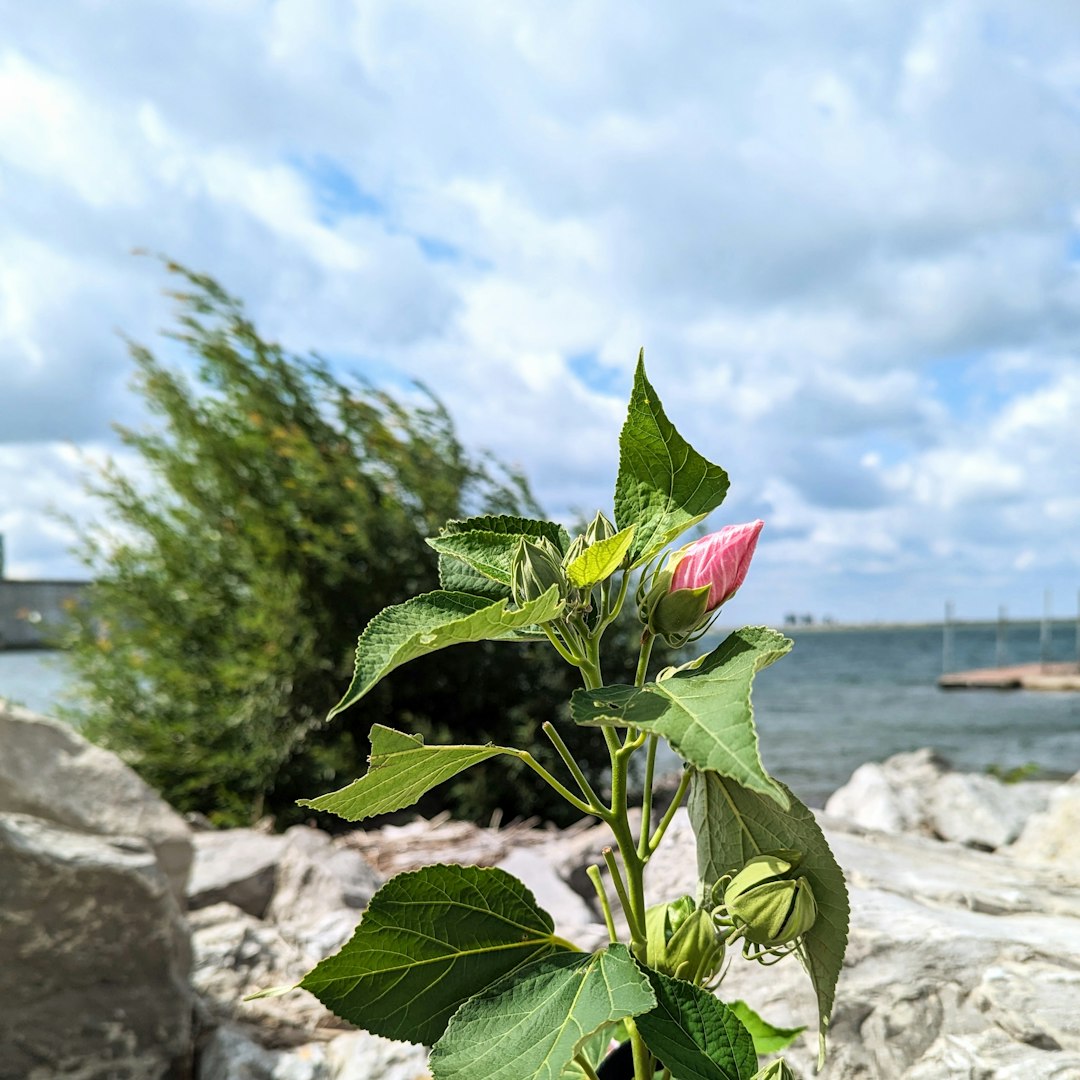
New York Ironweed (Vernonia noveboracensis) is a perennial native wildflower. Hardy in USDA zones 5 to 9. Prefers full sun.
Sun
Full sun to partial shade
Zones
5–9
USDA hardiness
Height
5-8 feet
Planting Timeline
Showing dates for New York Ironweed in USDA Zone 7
All Zone 7 native-wildflower →Zone Map
Click a state to update dates
New York Ironweed · Zones 5–9
Growing Details
Complete Growing Guide
Light: Full sun (6 or more hours of direct sunlight a day), Partial Shade (Direct sunlight only part of the day, 2-6 hours). Soil: Clay, High Organic Matter, Loam (Silt). Soil pH: Acid (<6.0). Drainage: Moist, Occasionally Wet. Height: 5 ft. 0 in. - 8 ft. 0 in.. Spread: 3 ft. 0 in. - 4 ft. 0 in.. Spacing: 3 feet-6 feet. Growth rate: Medium. Maintenance: Low. Propagation: Seed. Regions: Coastal, Mountains, Piedmont.
Harvesting
Rusty colored seeds August to October
Color: Brown/Copper. Type: Achene. Length: < 1 inch. Width: < 1 inch.
Harvest time: Fall
Storage & Preservation
New York Ironweed is not typically harvested for culinary or preservation purposes. However, seeds can be stored for next season's planting. Dry harvested seed heads completely indoors (1–2 weeks in a warm, well-ventilated space), then store seeds in an airtight container in a cool, dark location (50–60°F) for up to 3 years. Include a silica gel packet to control moisture. For cut flowers, condition stems immediately after cutting by placing in fresh, cool water; they will last 1–2 weeks in a vase. To extend the display, change water every 2–3 days and recut stems at an angle. No other preservation methods are applicable to this ornamental wildflower variety.
History & Origin
Origin: Eastern and southeastern United States
Advantages
- +Attracts: Bees, Butterflies, Pollinators, Songbirds, Specialized Bees
- +Low maintenance
Companion Plants
Joe Pye Weed, Wild Bergamot, and Purple Coneflower are the companions most worth planting near Ironweed. All three peak in the same late-summer window and thrive at a similar soil pH — around 6.0, slightly acidic — so you're not fighting competing cultural needs. Together they build a layered pollinator habitat: Ironweed's vivid purple florets pull in monarch butterflies and native bees, while Goldenrod and Asters carry that forage into fall. Little Bluestem Grass planted 18–24 inches out does a nice job filling the base of a tall Ironweed clump without root competition, since the grass stays relatively shallow.
The plants to keep clear of are problems for distinct reasons. Black Walnut produces juglone, a compound that leaches through the root zone and suppresses a wide range of native wildflowers — Vernonia noveboracensis has no documented tolerance, so don't site it under or near the drip line. Crown Vetch and Autumn Olive are a different issue entirely: neither poisons the soil, but both spread aggressively by lateral runners and canopy shade, and within two or three seasons they'll crowd Ironweed out entirely. Pull or exclude them well before they get established nearby.
Plant Together
Joe Pye Weed
Similar growing conditions and bloom times, attracts complementary pollinators
Wild Bergamot
Attracts beneficial insects and pollinators, shares similar soil preferences
Purple Coneflower
Extends blooming season and attracts butterflies and native bees
Goldenrod
Provides late-season nectar source and attracts predatory insects
Little Bluestem Grass
Provides structural support and creates natural prairie ecosystem
Wild Ginger
Serves as living mulch and suppresses weeds at base
Swamp Milkweed
Attracts monarch butterflies and shares tolerance for moist soils
Asters
Extends fall blooming period and supports late-season pollinators
Keep Apart
Black Walnut
Produces juglone which inhibits growth of many wildflowers
Crown Vetch
Aggressive spreader that can outcompete and smother native wildflowers
Autumn Olive
Invasive shrub that creates dense shade and alters soil chemistry
Pests & Disease Resistance
Common Pests
Japanese beetles (minor), spider mites in extremely dry conditions
Diseases
Powdery mildew (in humid conditions with poor air circulation), leaf spot (rarely problematic)
Troubleshooting New York Ironweed
What you'll see, why it happens, and what to do about it.
White powdery coating on upper leaf surfaces, usually showing up mid-summer on interior leaves
Likely Causes
- Powdery mildew (Erysiphe or Golovinomyces spp.) — thrives when humid air sits still around dense foliage
- Overcrowded planting below the recommended 18–24 inch spacing
What to Do
- 1.Cut out the worst-affected stems at the base and dispose of them — don't compost them
- 2.Thin any stems that are crossing or bunching so air can move through the clump
- 3.A diluted neem oil spray (2 tsp per quart of water) applied every 7–10 days can slow spread if you catch it early
Stippled, bronzed leaf surface — leaves look dusty or sandblasted, especially on plants in dry spots
Likely Causes
- Two-spotted spider mites (Tetranychus urticae) — they explode in hot, dry spells when the plant is drought-stressed
- Lack of irrigation during extended stretches above 90°F
What to Do
- 1.Blast the undersides of leaves with a strong stream of water for 3–4 consecutive days — this physically knocks mite populations down
- 2.Water deeply at the base once or twice a week so the plant isn't sitting stressed; mites are opportunists
- 3.Insecticidal soap (1–2% solution) works if the hose-down isn't enough, but avoid spraying during peak afternoon heat
Irregular brown or tan spots scattered across leaves, with no powdery coating — present from midsummer on
Likely Causes
- Fungal leaf spot (Septoria or Cercospora spp.) — typically cosmetic on Vernonia noveboracensis and rarely spreads aggressively
- Extended wet foliage from overhead watering or heavy rain
What to Do
- 1.Switch to ground-level watering if you've been using overhead sprinklers — keeping the leaves dry is most of the battle
- 2.Strip heavily spotted leaves and discard them; the plant will push new growth without much fuss
- 3.If it comes back hard year after year in the same bed, move divisions somewhere with better morning sun so dew dries off faster
Frequently Asked Questions
How tall does New York Ironweed grow?▼
When should I plant New York Ironweed?▼
Is New York Ironweed easy to grow from seed?▼
Can you grow New York Ironweed in containers?▼
How long does it take New York Ironweed to bloom from seed?▼
What insects and pollinators does New York Ironweed attract?▼
Zone-by-Zone Planting Calendar
Growing Guides from Wind River Greens
Sources & References
External authority sources used in compiling this guide.
- ExtensionNC State Extension
See the Methodology page for how this data is sourced, what's AI-assisted, and known limitations.