Tall Blue Planet
Ageratum houstonianum
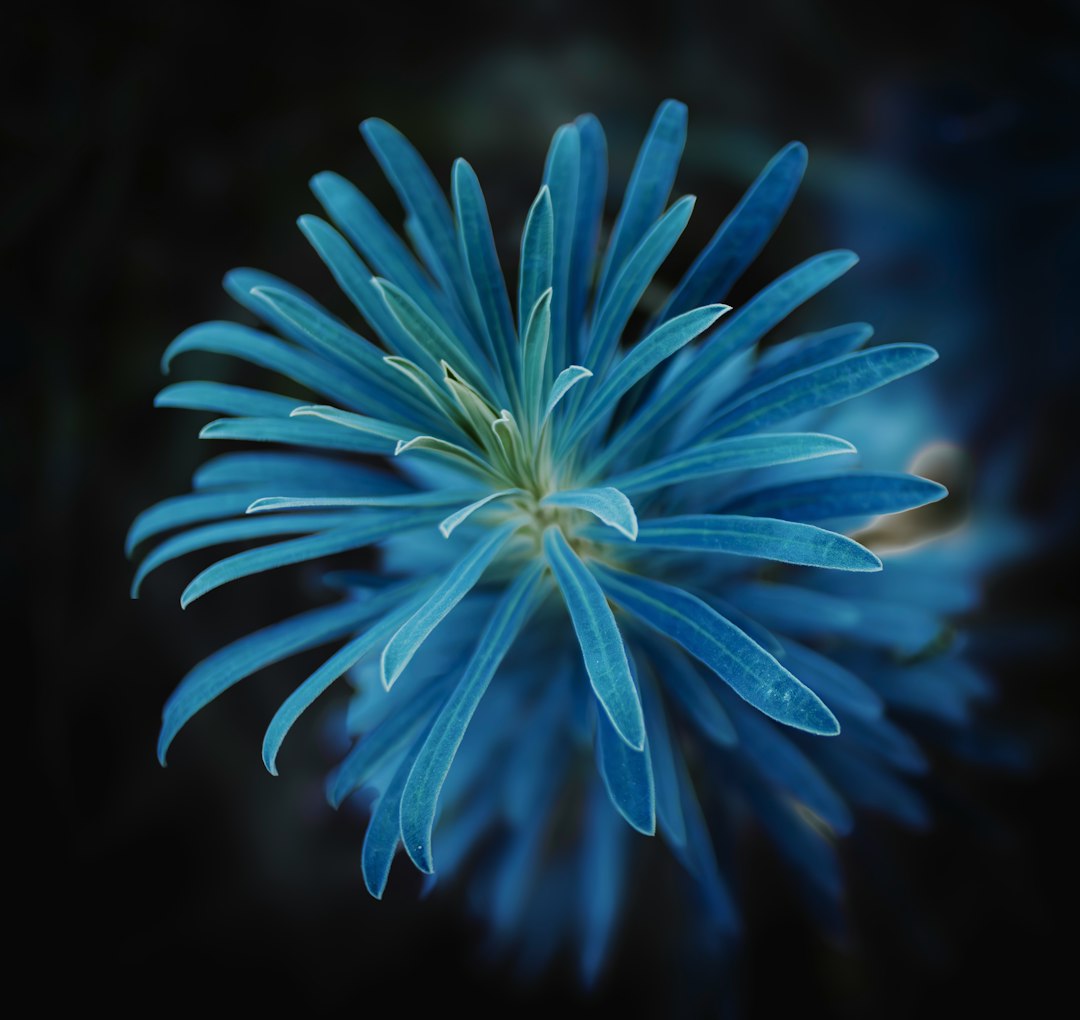
Tight blue flower clusters. Use as a classic filler for mixed bouquets or plant to attract bees and butterflies to your garden. Ageratum is also known as flossflower or blue mink.
Harvest
80-100d
Days to harvest
Sun
Full sun to partial shade
Zones
2–11
USDA hardiness
Height
6-12 inches
Planting Timeline
Showing dates for Tall Blue Planet in USDA Zone 7
All Zone 7 flower →Zone Map
Click a state to update dates
Tall Blue Planet · Zones 2–11
Growing Details
Succession Planting
Tall Blue Planet blooms continuously from transplant through frost without needing succession plantings — it's not a cut-and-done crop like a lettuce or radish. One round of indoor-sown transplants (started in February or March, set out after last frost in April or May) will carry the bed all season. Deadhead spent clusters every 7-10 days to keep new flower heads coming; that's your main maintenance lever, not replanting.
That said, if you want a staggered display or need to fill gaps left by early-season crops, you can direct sow a second round in May or early June. Germination takes 7-14 days at soil temperatures above 65°F. Don't bother direct sowing after mid-June — the plants won't have enough time to reach their 80-100 day maturity before heat stress sets in and bloom quality drops.
Complete Growing Guide
Light: Full sun (6 or more hours of direct sunlight a day), Partial Shade (Direct sunlight only part of the day, 2-6 hours). Soil: High Organic Matter. Drainage: Good Drainage, Moist. Height: 0 ft. 6 in. - 1 ft. 0 in.. Spread: 0 ft. 10 in. - 1 ft. 0 in.. Spacing: Less than 12 inches. Growth rate: Medium.
Harvesting
Fruit is a cypsela which is a type of achene.
Type: Achene.
Storage & Preservation
For fresh Tall Blue Planet ageratum, store cut flowers in a cool location (65-70°F) away from direct sunlight and ripening fruit. Refrigerate bouquets in clean water with flower food to extend vase life to 7-10 days. For preservation, air-dry flower clusters by hanging upside-down in a dark, well-ventilated space (2-3 weeks), creating dried arrangements. Alternatively, press flowers between parchment paper under heavy books for flat botanicals. Silica gel drying preserves color vibrance in 3-5 days for decorative use.
History & Origin
Tall Blue Planet is an F1 hybrid developed through controlled cross-pollination. Listed in the Johnny's Selected Seeds catalog.
Origin: Central America
Advantages
- +Attracts: Butterflies, Pollinators
Companion Plants
Marigolds are the most practical companion here. French marigolds (Tagetes patula) emit alpha-terthienyl from their roots, which suppresses soil nematodes, and their scent disrupts aphids scouting for a landing spot — both problems ageratum is vulnerable to. Planting them 12 inches apart in alternating rows is common practice, and the orange-and-blue color combination is genuinely useful for cutting arrangements too. Sweet Alyssum and Calendula pull their weight differently: both attract parasitic wasps and hoverflies that prey on the aphids and whiteflies that find ageratum appealing. If you're already dealing with whitefly pressure, a 12-inch border of Alyssum around the bed is worth planting before you reach for the spray bottle.
Zinnia and Cosmos make good structural companions — they're taller, so they cut afternoon heat without crowding at the base, and they pull in pollinators that keep the whole bed active. Nasturtiums work as a trap crop for aphids: plant them at the bed edges and aphids tend to colonize those first, giving you an easy, concentrated target to remove.
Black Walnut is the one to keep out of range. Its roots release juglone, a compound that's phytotoxic to a wide range of annuals — ageratum among them — and the affected zone can extend 50 feet or more from the trunk. Fennel is subtler: it doesn't kill neighbors outright, but its allelopathic root exudates are enough that most annuals planted within a foot or two of it consistently underperform. Give ageratum at least 3 feet of clearance from any fennel in the garden.
Plant Together
Marigolds
Repel aphids, whiteflies, and nematodes while attracting beneficial insects
Sweet Alyssum
Attracts beneficial insects like lacewings and hoverflies that control pests
Nasturtiums
Act as trap crops for aphids and cucumber beetles while repelling squash bugs
Lavender
Repels moths, fleas, and mosquitoes with its strong fragrance
Zinnia
Attracts butterflies and beneficial pollinators while providing complementary colors
Catmint
Repels ants, aphids, and rodents while attracting beneficial pollinators
Cosmos
Attracts beneficial insects and provides structural support without competition
Calendula
Repels harmful insects and attracts beneficial predatory insects
Keep Apart
Black Walnut
Produces juglone toxin that inhibits growth and can kill sensitive plants
Fennel
Releases allelopathic compounds that inhibit growth of nearby flowering plants
Eucalyptus
Produces allelopathic oils that suppress growth of other plants in vicinity
Pests & Disease Resistance
Common Pests
Whiteflies, spider mites, aphids
Diseases
Powdery mildew, root rot in wet conditions
Troubleshooting Tall Blue Planet
What you'll see, why it happens, and what to do about it.
White powdery coating on upper leaf surfaces, usually starting mid-summer on older foliage
Likely Causes
- Powdery mildew (Erysiphe cichoracearum) — a fungal disease that thrives in warm, humid air with poor circulation
- Crowded spacing below 12 inches, which traps moisture between plants
What to Do
- 1.Remove and trash (don't compost) the worst-affected leaves immediately
- 2.Space transplants at least 12 inches apart — 15 is better if your summers are humid
- 3.Apply a diluted neem oil spray (2 tsp per quart of water) weekly until new growth looks clean
Plants wilting and yellowing at the base, stems turning brown and mushy at soil level
Likely Causes
- Root rot — typically Pythium or Rhizoctonia — brought on by consistently waterlogged soil
- Planting in a low spot that doesn't drain between rain events
What to Do
- 1.Pull and discard affected plants; don't replant ageratum in the same spot that season
- 2.Amend beds with perlite or coarse sand before replanting to improve drainage
- 3.Water deeply but infrequently — let the top inch of soil dry out between waterings
Sticky residue on leaves and stems, with tiny white insects flying up when you brush the plant
Likely Causes
- Whitefly (Trialeurodes vaporariorum) — common in warm weather, especially on greenhouse-started transplants
- Ants farming whitefly colonies, which protect them from predators
What to Do
- 1.Spray the undersides of leaves with insecticidal soap (1 tbsp per quart of water) every 5-7 days for 3 weeks
- 2.Set yellow sticky traps near the plants to monitor and reduce adult populations
- 3.Plant Sweet Alyssum or Calendula at the bed edge to draw in parasitic wasps that keep whitefly numbers in check
Fine webbing on the undersides of leaves, foliage looking bronzed or stippled, especially during dry spells
Likely Causes
- Two-spotted spider mite (Tetranychus urticae) — populations explode in hot, dry conditions above 85°F
- Dust buildup on leaves, which mites prefer over clean, moist foliage
What to Do
- 1.Hit the undersides of leaves hard with a strong stream of water from a hose — do it three mornings in a row
- 2.Apply neem oil or insecticidal soap if mite numbers don't drop within a week
- 3.Mulch around the base of plants to retain soil moisture and moderate soil temperature, which slows mite buildup
Frequently Asked Questions
How long do cut Tall Blue Planet flowers last in a vase?▼
Is Tall Blue Planet ageratum good for beginner gardeners?▼
Can you grow Tall Blue Planet ageratum in containers?▼
When should I plant Tall Blue Planet ageratum seeds?▼
How does Tall Blue Planet attract pollinators?▼
What's the difference between Tall Blue Planet and dwarf ageratum varieties?▼
Zone-by-Zone Planting Calendar
| Zone | Indoor Start | Transplant | Direct Sow | Harvest |
|---|---|---|---|---|
| Zone 3 | April – May | June – July | June – August | — |
| Zone 4 | March – April | June – June | June – July | — |
| Zone 5 | March – April | May – June | May – July | — |
| Zone 6 | March – April | May – June | May – July | — |
| Zone 7 | February – March | April – May | April – June | — |
| Zone 8 | February – March | April – May | April – June | — |
| Zone 9 | January – February | March – April | March – May | — |
| Zone 10 | January – January | February – March | February – April | — |
| Zone 1 | May – June | July – August | July – September | — |
| Zone 2 | April – May | June – July | June – August | — |
| Zone 11 | January – January | January – February | January – March | — |
| Zone 12 | January – January | January – February | January – March | — |
| Zone 13 | January – January | January – February | January – March | — |
Growing Guides from Wind River Greens
Sources & References
External authority sources used in compiling this guide.
- BreederJohnny's Selected Seeds
See the Methodology page for how this data is sourced, what's AI-assisted, and known limitations.