Coral Bells
Heuchera americana
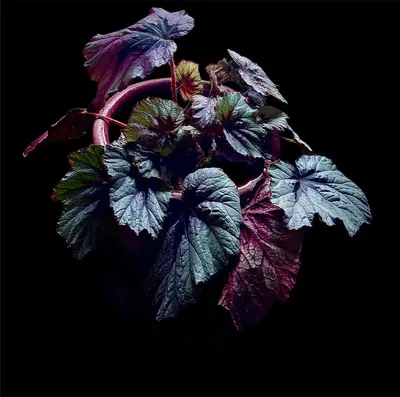
Native coral bells offer delicate clouds of tiny white or pink flowers dancing above beautiful mounds of scalloped leaves that change colors with the seasons. This versatile perennial bridges the gap between wildflower and cultivated garden, equally at home in formal borders or naturalized woodland settings. Its long-lasting foliage provides four-season interest while the airy flower stems attract bees and other beneficial pollinators.
Sun
Full sun to partial shade
Zones
4–9
USDA hardiness
Height
1-3 feet
Planting Timeline
Showing dates for Coral Bells in USDA Zone 7
All Zone 7 native-wildflower →Zone Map
Click a state to update dates
Coral Bells · Zones 4–9
Growing Details
Complete Growing Guide
Light: Dappled Sunlight (Shade through upper canopy all day), Full sun (6 or more hours of direct sunlight a day), Partial Shade (Direct sunlight only part of the day, 2-6 hours). Soil: High Organic Matter, Loam (Silt). Soil pH: Acid (<6.0). Drainage: Good Drainage, Moist, Occasionally Dry. Height: 1 ft. 0 in. - 3 ft. 0 in.. Spread: 1 ft. 0 in. - 1 ft. 6 in.. Spacing: Less than 12 inches, 12 inches-3 feet. Maintenance: Low. Propagation: Division, Seed. Regions: Coastal, Mountains, Piedmont.
Harvesting
In North Carolina, the fruits appear from May to September.
Color: Brown/Copper. Type: Capsule.
Harvest time: Summer
Storage & Preservation
Coral bells are ornamental perennials, not consumed, so traditional food storage doesn't apply. For cut flowers, place stems in cool water (65-70°F) in a cool location away from direct sunlight; they last 7-10 days. Preserve foliage by air-drying leaves in bundles hung upside down in a dark, well-ventilated space for 2-3 weeks. Press individual leaves between paper for botanical specimens. For long-term seed collection, allow flower heads to dry on the plant, then harvest and store seeds in cool, dry conditions (40-50°F, 30-40% humidity) in airtight containers for 2-3 years.
History & Origin
Origin: native to eastern and central North America, from Ontario
Advantages
- +Attracts: Pollinators, Specialized Bees
- +Low maintenance
Companion Plants
The shade-tolerant companions on this list work because they share Heuchera's preferred conditions without fighting over the same root space. Hostas and ferns occupy a similar light niche — dappled shade, moderate moisture — but their root systems run shallow and wide rather than crowding the heuchera's crown. Astilbe and Lungwort (Pulmonaria) fill vertical and ground-level layers respectively, keeping the planting full while each plant draws from the 6.0–7.0 pH soil they all tolerate. In our zone 7 Georgia gardens, Japanese Painted Fern pairs especially well because it handles humid summers without needing the extra irrigation that would pool around Heuchera's rot-prone crown.
Black Walnut is the hard no — juglone moves through the soil far enough to reach nearby beds, and Heuchera is sensitive enough that NC State Extension flags the pairing. Pine trees compound the problem differently: needle drop acidifies soil below the 6.0 floor this plant needs, and the dense canopy cuts light more than Heuchera can tolerate. Mint is a practical problem rather than a chemical one — it spreads fast enough to physically swamp a slow-establishing heuchera clump inside a single growing season.
Plant Together
Hosta
Similar shade tolerance and moisture needs, contrasting foliage textures create attractive combinations
Astilbe
Complementary bloom times and similar growing conditions, both thrive in partial shade
Ferns
Share preference for moist, well-draining soil and partial shade, create layered woodland garden effect
Lungwort
Both prefer cool, moist conditions and partial shade, lungwort blooms early while coral bells bloom later
Japanese Painted Fern
Similar growing requirements and the silvery fern foliage complements coral bells' colorful leaves
Caladium
Both are grown for colorful foliage, share preference for partial shade and consistent moisture
Wild Ginger
Native groundcover that shares similar woodland habitat preferences and soil requirements
Columbine
Both are native woodland plants with similar cultural needs and complementary flowering periods
Keep Apart
Black Walnut
Produces juglone which is toxic to coral bells and many other plants
Pine Trees
Create acidic soil conditions and dense shade that coral bells cannot tolerate well
Mint
Aggressive spreader that will quickly overtake and crowd out coral bells
Eucalyptus
Allelopathic compounds in leaves and roots inhibit growth of nearby plants including coral bells
Pests & Disease Resistance
Resistance
Good disease resistance, may get crown rot in wet winters
Common Pests
Vine weevils, aphids, spider mites
Diseases
Crown rot, powdery mildew in humid conditions
Troubleshooting Coral Bells
What you'll see, why it happens, and what to do about it.
Leaves wilting and collapsing at the crown despite adequate soil moisture, often with dark brown mushy tissue at the base
Likely Causes
- Crown rot (Phytophthora or Pythium spp.) — triggered by heavy clay soils, poor drainage, or mulch piled directly against the crown
- Overwatering or planting too deep, burying the crown below the soil line
What to Do
- 1.Dig the plant, cut away all rotted tissue with a clean knife, and dust the wound with powdered sulfur before replanting
- 2.Replant at the correct depth — the crown should sit right at or slightly above soil level
- 3.Amend the bed with coarse grit or perlite to improve drainage, and keep mulch pulled back 2 inches from the base
Notched, scalloped edges on leaves starting in late spring, with no visible insects present during the day
Likely Causes
- Black vine weevil (Otiorhynchus sulcatus) adults feeding at night — the C-shaped grubs also chew roots underground
- Root damage from grub feeding can cause wilting that mimics drought stress even when soil is moist
What to Do
- 1.Inspect the soil around the root zone at night with a flashlight and hand-pick adults into soapy water
- 2.Apply beneficial nematodes (Steinernema kraussei or Heterorhabditis bacteriophora) to moist soil in early spring or fall to target the larval stage
- 3.Avoid heavy bark mulch near the crown — weevils overwinter in it
Frequently Asked Questions
Is coral bells a good choice for beginner gardeners?▼
Can you grow coral bells in containers?▼
When should I plant coral bells?▼
How long do coral bells flowers last?▼
Do coral bells attract pollinators?▼
What pests commonly affect coral bells?▼
Zone-by-Zone Planting Calendar
Growing Guides from Wind River Greens
Sources & References
External authority sources used in compiling this guide.
- ExtensionNC State Extension
See the Methodology page for how this data is sourced, what's AI-assisted, and known limitations.