Cannes Red II-III
Antirrhinum majus
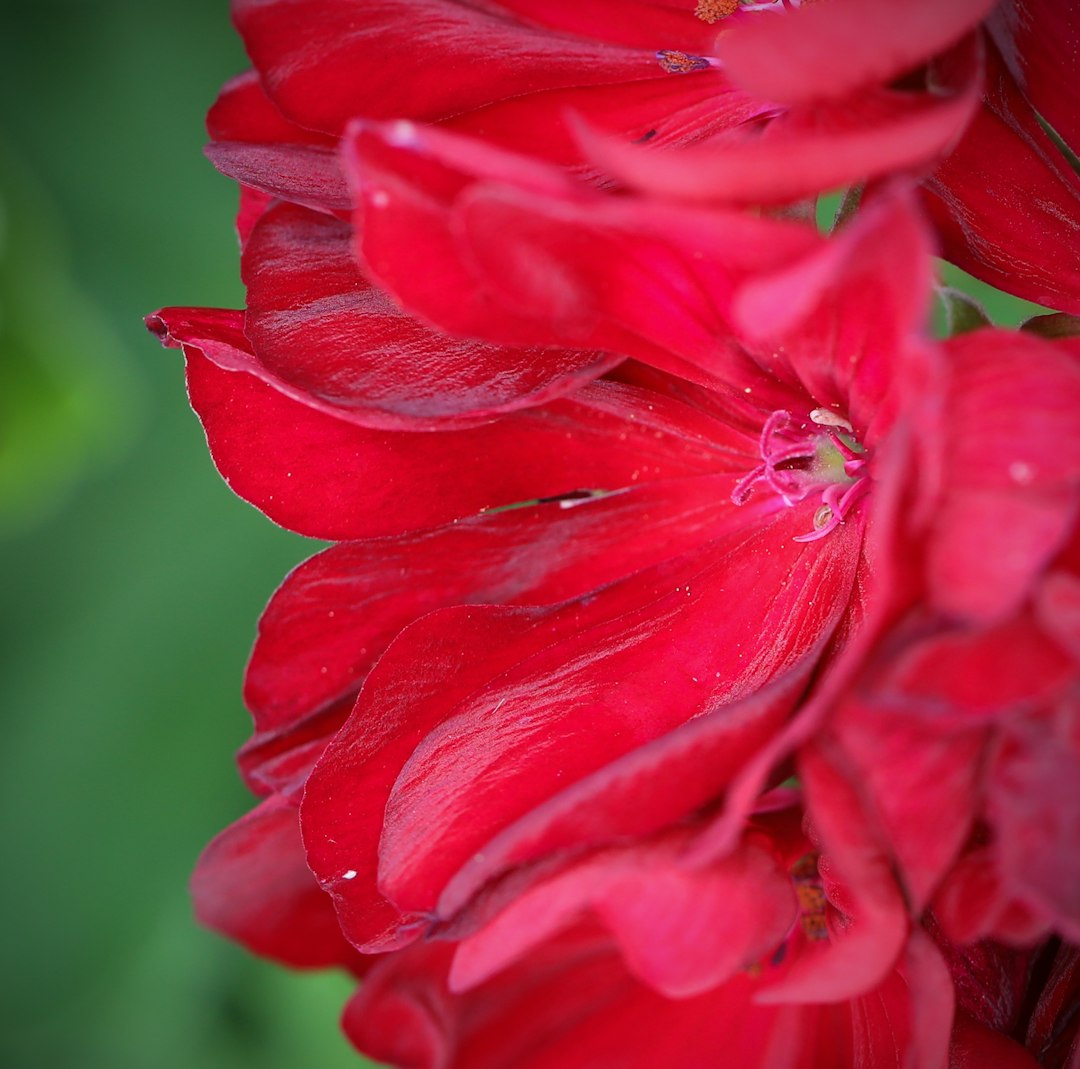
Cannes Red II-III is a hybrid ornamental flower variety prized for its deep red blooms and elegant appearance. Reaching maturity in 105-115 days, this cultivar thrives in full sun to partial shade with well-drained, fertile soil enriched with organic matter. The flowers feature delicate petals with a distinctive floral character and slightly bitter finish, making them ideal for gourmet garnishing and culinary decoration. Easy to grow and manage, this variety is commonly affected by aphids, spider mites, and whiteflies, requiring routine pest monitoring.
Harvest
105-115d
Days to harvest
Sun
Full sun to partial shade
Zones
7–10
USDA hardiness
Height
0-3 feet
Planting Timeline
Showing dates for Cannes Red II-III in USDA Zone 7
All Zone 7 flower →Zone Map
Click a state to update dates
Cannes Red II-III · Zones 7–10
Growing Details
Succession Planting
Cannes Red II-III blooms over a long season rather than giving you a single flush, so you don't need to stagger plantings the way you would with cut lettuce or cilantro. Start seeds indoors in February or early March, transplant out in April once overnight lows hold reliably above 45°F, and deadhead spent spikes every 7–10 days — that alone keeps the plant pushing new flower stems from late May through fall frost. One round per season is the standard approach.
Complete Growing Guide
This Group 2-3 snapdragon can be grown in the field or indoors and is well-suited for spring, early summer, and fall production. Uniform, high-quality blooms. The Cannes II-III series is about 5 days earlier to bloom than Potomac series in our trials. This variety is bred for the seasonal transitions between spring and summer, and summer and fall. Performs best for us in spring plantings for early summer harvests. Also suitable for overwintering. Edible Flowers: The flowers are a colorful garnish for use in salads, desserts, and drinks. The flavor is floral and slightly bitter, so use sparingly. According to Johnny's Selected Seeds, Cannes Red II-III is 105 - 115 days to maturity, annual, hybrid (f1). Notable features: Greenhouse Performer, Use for Cut Flowers and Bouquets, Fragrant.
Light: Full sun (6 or more hours of direct sunlight a day), Partial Shade (Direct sunlight only part of the day, 2-6 hours). Soil: High Organic Matter. Drainage: Good Drainage. Height: 0 ft. 6 in. - 3 ft. 0 in.. Spread: 0 ft. 6 in. - 0 ft. 10 in.. Spacing: Less than 12 inches. Growth rate: Medium. Maintenance: Medium.
Harvesting
Cannes Red II-III reaches harvest at 105 - 115 days from sowing per Johnny's Selected Seeds. As an annual, harvest continues until frost ends the season.
A capsule, half hidden by calyx lobes, short-beaked.
Type: Capsule. Length: 1-3 inches.
Storage & Preservation
Fresh snapdragon cut spikes last 7-10 days in a clean vase with fresh flower food and cool water (kept below 70°F). Change water every 2-3 days and re-cut stems at a 45-degree angle. For culinary florets, refrigerate in an airtight container on damp paper towels for up to 3-4 days. For preservation, air-dry whole spikes by hanging in bundles in a dark, warm, well-ventilated space (2-3 weeks)—dried flowers retain color and are excellent for arrangements. You can also freeze individual florets on a baking sheet, then transfer to freezer bags for up to 3 months, though texture will soften when thawed (best for garnish in cold drinks). Pressing flowers between newspaper and books for 2-3 weeks creates lovely dried specimens for crafts.
History & Origin
Cannes Red II-III is an F1 hybrid developed through controlled cross-pollination. Listed in the Johnny's Selected Seeds catalog.
Origin: Southwestern Europe
Advantages
- +Blooms 5 days earlier than Potomac series for faster production
- +Uniform high-quality flowers ideal for commercial spring plantings
- +Suitable for field or indoor cultivation with flexible timing
- +Can be overwintered for extended seasonal production cycles
- +Edible flowers add value as colorful salad and dessert garnish
Considerations
- -Floral flavor is bitter and requires sparingly in culinary use
- -Optimal performance limited mainly to spring plantings and early summer
- -105-115 day timeline demands careful scheduling for seasonal transitions
Companion Plants
Marigolds are the most practical neighbor for Cannes Red — their root secretions deter soil nematodes, and in our zone 7 Georgia gardens where nematode pressure picks up fast once the ground warms past 65°F, that matters. Sweet Alyssum pulls in parasitic wasps that hit aphid and whitefly populations hard, two pests NC State Extension flags specifically for Antirrhinum. Coleus, Caladium, and Begonias are less about pest logic and more about shared requirements — similar water and light tolerance means no competition for resources. Keep Cannes Red away from Black Walnut and Eucalyptus; both release allelopathic compounds (juglone and cineole, respectively) that interfere with root function in nearby ornamentals.
Plant Together
Marigolds
Repel nematodes and aphids while attracting beneficial insects
Coleus
Similar growing conditions and complementary foliage colors enhance visual appeal
Caladium
Shares preference for warm, humid conditions and provides contrasting leaf textures
Impatiens
Tolerates partial shade created by canna foliage and adds continuous blooms
Elephant Ears
Similar water and nutrient requirements with complementary tropical appearance
Begonias
Thrives in similar warm, moist conditions and provides ground-level color
Nasturtiums
Acts as trap crop for aphids and cucumber beetles while adding edible flowers
Sweet Alyssum
Attracts beneficial insects and provides low-growing ground cover
Keep Apart
Black Walnut
Produces juglone toxin that inhibits growth and can kill canna plants
Eucalyptus
Allelopathic oils suppress growth of nearby plants including cannas
Fennel
Releases chemicals that inhibit growth of most companion plants through allelopathy
Pests & Disease Resistance
Common Pests
Aphids, spider mites, whiteflies
Diseases
Damping-off, rust, powdery mildew
Troubleshooting Cannes Red II-III
What you'll see, why it happens, and what to do about it.
White powdery coating spreading across leaves and stems, usually showing up mid-summer when nights cool down a bit
Likely Causes
- Powdery mildew (Erysiphe cichoracearum) — a fungal disease that spreads by airspores, not soil splash, and thrives when humidity is high but leaves stay dry
- Crowded spacing under 12 inches that traps still air around the plant
What to Do
- 1.Cut back and bin the worst-affected stems — don't compost them
- 2.Thin or reposition neighboring plants so each snapdragon has at least 12 inches of clear air around it
- 3.Apply a potassium bicarbonate spray (follow label rates) every 7 days until new growth comes in clean
Seedlings collapsing at the soil line within the first 2 weeks after germination, often in patches across the tray
Likely Causes
- Damping-off — most commonly Pythium or Rhizoctonia spp. — triggered by soggy, poorly drained germination mix
- Reusing old seed-starting trays without sanitizing between seasons
What to Do
- 1.Water from the bottom of the tray rather than overhead, and let the mix surface dry slightly between waterings
- 2.Run a small fan on low across the tray surface for 4–6 hours a day to keep air moving
- 3.At first sign of collapse, drench the germination mix with a dilute hydrogen peroxide solution (1 part 3% H2O2 to 4 parts water)
Frequently Asked Questions
How long does Cannes Red II-III snapdragon take to grow from seed to bloom?▼
Is Cannes Red II-III good for beginners?▼
Can you grow Cannes Red II-III in containers or pots?▼
What's the difference between Cannes Red II-III and Potomac snapdragons?▼
Are Cannes Red II-III flowers edible, and what do they taste like?▼
When is the best time to plant Cannes Red II-III for maximum blooms?▼
Zone-by-Zone Planting Calendar
| Zone | Indoor Start | Transplant | Direct Sow | Harvest |
|---|---|---|---|---|
| Zone 1 | May – June | July – August | July – September | — |
| Zone 2 | April – May | June – July | June – August | — |
| Zone 11 | January – January | January – February | January – March | — |
| Zone 12 | January – January | January – February | January – March | — |
| Zone 13 | January – January | January – February | January – March | — |
| Zone 3 | April – May | June – July | June – August | — |
| Zone 4 | March – April | June – June | June – July | — |
| Zone 5 | March – April | May – June | May – July | — |
| Zone 6 | March – April | May – June | May – July | — |
| Zone 7 | February – March | April – May | April – June | — |
| Zone 8 | February – March | April – May | April – June | — |
| Zone 9 | January – February | March – April | March – May | — |
| Zone 10 | January – January | February – March | February – April | — |
Growing Guides from Wind River Greens
Sources & References
External authority sources used in compiling this guide.
- BreederJohnny's Selected Seeds
See the Methodology page for how this data is sourced, what's AI-assisted, and known limitations.