Candicans
Senecio cineraria
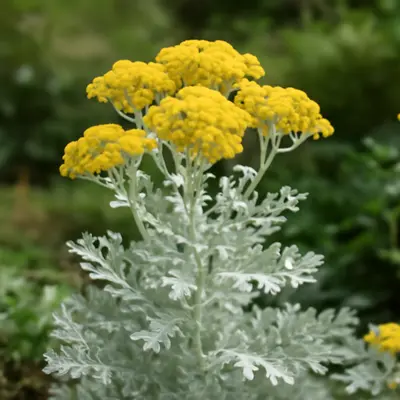
Candicans is taller and more productive than other dusty miller varieties in our trials, making it a good choice for cut-flower production. Compared to Silverdust, Candicans is taller, more vigorous, a bit more variable in plant architecture, and its leaves are not as deeply lobed. Otherwise, overall appearance is very similar. Dusty Miller's silvery foliage is a very popular cut-flower foliage for elegant bouquets. 3-7" long, velvety leaves with a snowflake appearance. Plants produce yellow flowers the second year from seeding, primarily in the southern states. Flowers are commonly removed to encourage foliage growth. Tender perennial in Zones 8-10.
Harvest
56d
Days to harvest
Sun
Full sun to partial shade
Zones
9–12
USDA hardiness
Height
18-30 inches
Planting Timeline
Showing dates for Candicans in USDA Zone 7
All Zone 7 flower →Zone Map
Click a state to update dates
Candicans · Zones 9–12
Growing Details
Complete Growing Guide
Candicans is taller and more productive than other dusty miller varieties in our trials, making it a good choice for cut-flower production. Compared to Silverdust, Candicans is taller, more vigorous, a bit more variable in plant architecture, and its leaves are not as deeply lobed. Otherwise, overall appearance is very similar. Dusty Miller's silvery foliage is a very popular cut-flower foliage for elegant bouquets. 3-7" long, velvety leaves with a snowflake appearance. Plants produce yellow flowers the second year from seeding, primarily in the southern states. Flowers are commonly removed to encourage foliage growth. Tender perennial in Zones 8-10. According to Johnny's Selected Seeds, Candicans is 56 for containers; 88 for cut foliage to maturity, tender perennial, open pollinated. Notable features: Heirloom, Grows Well in Containers, Use for Cut Flowers and Bouquets, Ideal for Drying and Crafts.
Light: Full sun (6 or more hours of direct sunlight a day), Partial Shade (Direct sunlight only part of the day, 2-6 hours). Soil: Sand. Soil pH: Neutral (6.0-8.0). Drainage: Good Drainage, Occasionally Dry, Very Dry. Spacing: Less than 12 inches. Growth rate: Medium. Maintenance: Low. Propagation: Division, Leaf Cutting, Seed.
Harvesting
Candicans reaches harvest at 56 for containers; 88 for cut foliage from sowing per Johnny's Selected Seeds. Expect 3-7" at peak.
This is an ornamental variety — not grown for harvest. Enjoy in the garden landscape.
Storage & Preservation
Fresh dusty miller foliage should be stored in a cool location (50-55°F) with moderate humidity to preserve the silvery coating and velvety texture. For short-term storage (3-5 days), keep stems in water at room temperature or refrigerate in a damp cloth. For longer preservation, air-dry bundles in a warm, well-ventilated space for 1-2 weeks to create long-lasting dried arrangements. Alternatively, preserve stems in glycerin solution (1:1 ratio with water) for 7-10 days to maintain suppleness while extending vase life to 2-3 weeks. Pressing individual leaves between paper under weight also works well for crafts.
History & Origin
Candicans is open-pollinated, meaning seed saved from healthy plants will produce true-to-type offspring. Listed in the Johnny's Selected Seeds catalog.
Origin: South Africa
Advantages
- +Taller and more productive than other dusty miller varieties for cut flowers
- +Vigorous growth habit makes it reliable and low-maintenance for growers
- +Silvery velvety foliage with snowflake appearance is highly valued in bouquets
- +More productive than Silverdust variety, improving overall yield potential
Considerations
- -More variable plant architecture than Silverdust may complicate uniformity in production
- -Leaves are less deeply lobed compared to Silverdust, affecting aesthetic preferences
- -Limited to zones 8-10 as tender perennial, restricting where it can overwinter
- -Yellow flowers require removal to maintain foliage focus, adding labor costs
Companion Plants
Lavender, Rosemary, and Sedum are the most practical neighbors for Candicans — all three share its preference for lean, well-drained soil and infrequent watering, so you're not fighting two conflicting irrigation schedules in the same bed. Marigolds (Tagetes spp.) earn a spot for deterring soil nematodes and pulling in pollinators. Mint is a different story: it spreads through underground runners fast enough to swallow a 12-18 inch border plant in a single season. Black Walnut is the harder boundary — it leaches juglone from its roots, and that compound accumulates in the soil under the canopy long enough to stress ornamentals even after the tree is gone.
Plant Together
Lavender
Repels pests like aphids and moths while attracting beneficial pollinators
Marigolds
Natural pest deterrent against nematodes and various garden insects
Rosemary
Deters harmful insects and thrives in similar well-draining soil conditions
Salvia
Attracts beneficial insects and complements similar growing requirements
Catmint
Repels rodents and aphids while requiring similar drought-tolerant conditions
Sedum
Provides ground cover and shares preference for well-draining, low-water conditions
Yarrow
Attracts beneficial predatory insects and improves soil health
Ornamental Grasses
Provides structural contrast and thrives in similar low-maintenance conditions
Keep Apart
Black Walnut
Produces juglone toxin that inhibits growth of many flowering plants
Large Hosta
Competes aggressively for water and nutrients while creating excessive shade
Mint
Invasive spreading habit can overwhelm and crowd out neighboring plants
Troubleshooting Candicans
What you'll see, why it happens, and what to do about it.
Leaves turning mushy and brown at the base, stems collapsing near soil level
Likely Causes
- Crown rot or root rot — typically Pythium or Rhizoctonia spp. — from consistently waterlogged soil
- Planting too deep so moisture collects around the crown
What to Do
- 1.Pull the plant and check the roots; if they're brown and slimy below the crown, the plant is likely a loss — remove it and don't replant Senecio in that spot this season
- 2.Improve drainage before replanting: work in coarse sand or perlite and raise the bed 3-4 inches if your soil is heavy clay
- 3.Water deeply but infrequently — once established, Candicans handles dry spells better than wet feet
White powdery coating on upper leaf surfaces, usually appearing in late summer
Likely Causes
- Powdery mildew (Erysiphe or Golovinomyces spp.) — favored by warm days, cool nights, and poor airflow
- Crowded spacing under 12 inches that limits air circulation
What to Do
- 1.Space plants at least 12-18 inches apart at transplant to keep air moving between them
- 2.Apply a dilute baking soda spray (1 tablespoon per gallon of water with a few drops of dish soap) at first sign; it won't cure existing infection but slows spread
- 3.Cut off heavily affected leaves and bin them — don't compost
Tiny silver streaks or stippling across the foliage, leaves looking bronzed or dull
Likely Causes
- Western flower thrips (Frankliniella occidentalis) — they rasp the leaf surface and suck cell contents
- Spider mites (Tetranychus urticae) — populations spike fast in hot, dry conditions above 85°F
What to Do
- 1.Hold a white sheet of paper under a stem and tap sharply — tiny moving specks confirm mites or thrips; that tells you which product to reach for
- 2.Blast the undersides of leaves with a strong stream of water to knock down mite populations before reaching for anything else
- 3.For persistent thrips, spinosad-based sprays (follow label rates) are effective and relatively low-impact on beneficials when applied in early morning
Frequently Asked Questions
How tall does Candicans dusty miller grow?▼
Is dusty miller Candicans good for beginners?▼
Can you grow Candicans in containers?▼
When should I plant Candicans dusty miller seeds?▼
How is Candicans dusty miller different from Silverdust?▼
What color are dusty miller Candicans flowers?▼
Zone-by-Zone Planting Calendar
| Zone | Indoor Start | Transplant | Direct Sow | Harvest |
|---|---|---|---|---|
| Zone 3 | April – May | June – July | June – August | — |
| Zone 4 | March – April | June – June | June – July | — |
| Zone 5 | March – April | May – June | May – July | — |
| Zone 6 | March – April | May – June | May – July | — |
| Zone 7 | February – March | April – May | April – June | — |
| Zone 8 | February – March | April – May | April – June | — |
| Zone 9 | January – February | March – April | March – May | — |
| Zone 10 | January – January | February – March | February – April | — |
| Zone 1 | May – June | July – August | July – September | — |
| Zone 2 | April – May | June – July | June – August | — |
| Zone 11 | January – January | January – February | January – March | — |
| Zone 12 | January – January | January – February | January – March | — |
| Zone 13 | January – January | January – February | January – March | — |
Growing Guides from Wind River Greens
Sources & References
External authority sources used in compiling this guide.
- BreederJohnny's Selected Seeds
See the Methodology page for how this data is sourced, what's AI-assisted, and known limitations.