Double Zahara™ Bright Orange
Zinnia marylandica
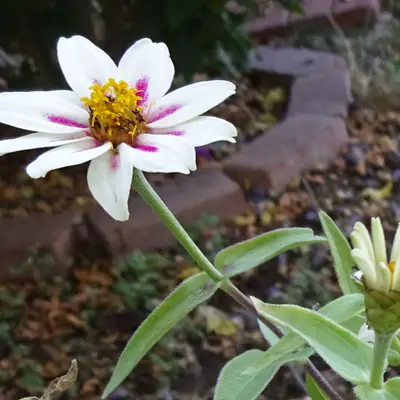
An easy-to-grow choice for cheerful color in the garden or pots. Highly uniform plants with a low-growing, mounding habit that flower continuously, providing weeks of color. Abundant, bright golden-orange, fully double blooms average 1 1/2-2 1/2" wide. Zahara dwarf zinnias were bred for powdery mildew resistance and long-lasting color for landscapes and garden beds.
Harvest
75-85d
Days to harvest
Sun
Full sun to partial shade
Zones
11–12
USDA hardiness
Height
12-24 inches
Planting Timeline
Showing dates for Double Zahara™ Bright Orange in USDA Zone 7
All Zone 7 flower →Zone Map
Click a state to update dates
Double Zahara™ Bright Orange · Zones 11–12
Growing Details
Complete Growing Guide
An easy-to-grow choice for cheerful color in the garden or pots. Highly uniform plants with a low-growing, mounding habit that flower continuously, providing weeks of color. Abundant, bright golden-orange, fully double blooms average 1 1/2-2 1/2" wide. Zahara dwarf zinnias were bred for powdery mildew resistance and long-lasting color for landscapes and garden beds. According to Johnny's Selected Seeds, Double Zahara™ Bright Orange is 75 - 85 days to maturity, annual, open pollinated. Notable features: Easy Choice, Grows Well in Containers, Attracts Beneficial Insects.
Light: Full sun (6 or more hours of direct sunlight a day), Partial Shade (Direct sunlight only part of the day, 2-6 hours). Soil: Clay, High Organic Matter, Loam (Silt), Sand. Soil pH: Acid (<6.0), Alkaline (>8.0), Neutral (6.0-8.0). Drainage: Good Drainage, Moist. Height: 1 ft. 0 in. - 2 ft. 0 in.. Spread: 0 ft. 6 in. - 1 ft. 0 in.. Spacing: 12 inches-3 feet. Growth rate: Medium. Maintenance: Low. Propagation: Seed. Regions: Coastal, Mountains, Piedmont.
Harvesting
Double Zahara™ Bright Orange reaches harvest at 75 - 85 days from sowing per Johnny's Selected Seeds. Expect 1 1/2-2 1/2" at peak. As an annual, harvest continues until frost ends the season.
Type: Achene.
Storage & Preservation
Double Zahara bright orange zinnias are ornamental flowers best enjoyed fresh in arrangements or gardens. Cut flowers should be placed immediately in cool water (65-72°F) and kept in a cool location away from direct heat and ripening fruit. They'll last 7-10 days in a vase. For preservation: dry flowers by hanging stems upside-down in a warm, well-ventilated area for 2-3 weeks for long-lasting dried arrangements; press individual blooms between parchment paper under heavy weights for 2-3 weeks for crafts; or freeze flowers in ice cubes or resin for decorative preservation.
History & Origin
Double Zahara™ Bright Orange is open-pollinated, meaning seed saved from healthy plants will produce true-to-type offspring. Listed in the Johnny's Selected Seeds catalog.
Origin: Mexico, southwestern USA
Advantages
- +Blooms continuously for weeks with minimal deadheading required
- +Powdery mildew resistance bred into variety saves treatments
- +Mounding habit naturally full without pinching or pruning needed
- +Bright golden-orange fully double flowers are eye-catching and cheerful
- +Low-growing uniform plants work perfectly for containers and borders
Considerations
- -Smaller bloom size limits impact in large landscape plantings
- -Requires consistent moisture or flowers may diminish quickly
- -Bright orange color clashes with some complementary garden palettes
Companion Plants
Marigolds are the most reliable neighbor here — their root secretions deter soil nematodes, and the two plants share similar full-sun, warm-season needs without competing for root depth. Alyssum at the edges draws in parasitic wasps that knock back aphid populations before they establish. Nasturtiums pull double duty as an aphid trap crop — pests cluster on them instead of the zinnias, and you can yank the nasturtiums once they're loaded.
Keep black walnut at least 50 feet away; juglone leaches from the roots and stunts most annuals well beyond the tree's drip line. Fennel is a bad neighbor for different reasons — it releases allelopathic compounds from its roots that suppress nearby plants, and it tends to cause problems across a wide range of companions, not just zinnias. Basil and petunias are fine in tight beds or containers; they don't compete aggressively and won't cause trouble, even if the pest-deterrent claims for basil are overstated.
Plant Together
Marigolds
Repel nematodes and aphids while attracting beneficial insects
Basil
Deters aphids, spider mites, and thrips with aromatic oils
Nasturtiums
Act as trap crop for aphids and cucumber beetles
Petunias
Repel aphids, tomato hornworms, and squash bugs
Cosmos
Attract beneficial insects like lacewings and parasitic wasps
Alyssum
Attracts hoverflies and other beneficial predatory insects
Lavender
Repels moths, fleas, and mosquitoes while attracting pollinators
Celosia
Similar growing conditions and attracts beneficial insects
Keep Apart
Black Walnut
Releases juglone toxin that inhibits growth of most flowering plants
Fennel
Produces allelopathic compounds that stunt growth of nearby plants
Eucalyptus
Strong allelopathic effects suppress growth of most garden plants
Troubleshooting Double Zahara™ Bright Orange
What you'll see, why it happens, and what to do about it.
White powdery coating on upper leaf surfaces, usually showing up after plants have been in the ground 6+ weeks
Likely Causes
- Powdery mildew (Erysiphe cichoracearum) — a fungal disease that thrives in warm days with cool nights and poor airflow
- Overcrowding — spacing tighter than 12 inches traps humidity around the foliage
What to Do
- 1.Remove the worst-affected leaves and bin them — don't compost them
- 2.Thin or transplant any crowded plants so you have at least 12 inches between stems
- 3.Spray foliage with a diluted neem oil solution (2 tsp per quart of water) early in the morning so it dries before nightfall — repeat every 7 days
Seedlings collapsing at the soil line, stems pinched and water-soaked, within the first 2 weeks after germination
Likely Causes
- Damping off — typically Pythium or Rhizoctonia fungi — caused by overwatering and poor drainage in the germination tray
- Using old, unsterilized seed-starting mix that carries fungal inoculum
What to Do
- 1.Discard the affected seedlings and any mix in that cell — it won't recover
- 2.Let the remaining cells dry slightly between waterings; zinnia seeds germinate fine at 70–75°F without being kept soggy
- 3.Start fresh seeds in a sterile, peat- or coir-based mix and bottom-water rather than overhead-watering
Frequently Asked Questions
Is Double Zahara a good choice for beginner gardeners?▼
Can you grow Double Zahara zinnias in containers?▼
How long do Double Zahara flowers last once bloomed?▼
When should I plant Double Zahara zinnias?▼
What makes Double Zahara different from other zinnia varieties?▼
How much sun do Double Zahara zinnias need?▼
Zone-by-Zone Planting Calendar
| Zone | Indoor Start | Transplant | Direct Sow | Harvest |
|---|---|---|---|---|
| Zone 3 | April – May | June – July | June – August | — |
| Zone 4 | March – April | June – June | June – July | — |
| Zone 5 | March – April | May – June | May – July | — |
| Zone 6 | March – April | May – June | May – July | — |
| Zone 7 | February – March | April – May | April – June | — |
| Zone 8 | February – March | April – May | April – June | — |
| Zone 9 | January – February | March – April | March – May | — |
| Zone 10 | January – January | February – March | February – April | — |
| Zone 1 | May – June | July – August | July – September | — |
| Zone 2 | April – May | June – July | June – August | — |
| Zone 11 | January – January | January – February | January – March | — |
| Zone 12 | January – January | January – February | January – March | — |
| Zone 13 | January – January | January – February | January – March | — |
Growing Guides from Wind River Greens
Sources & References
External authority sources used in compiling this guide.
- BreederJohnny's Selected Seeds
See the Methodology page for how this data is sourced, what's AI-assisted, and known limitations.