Love-Lies-Bleeding
Amaranthus caudatus
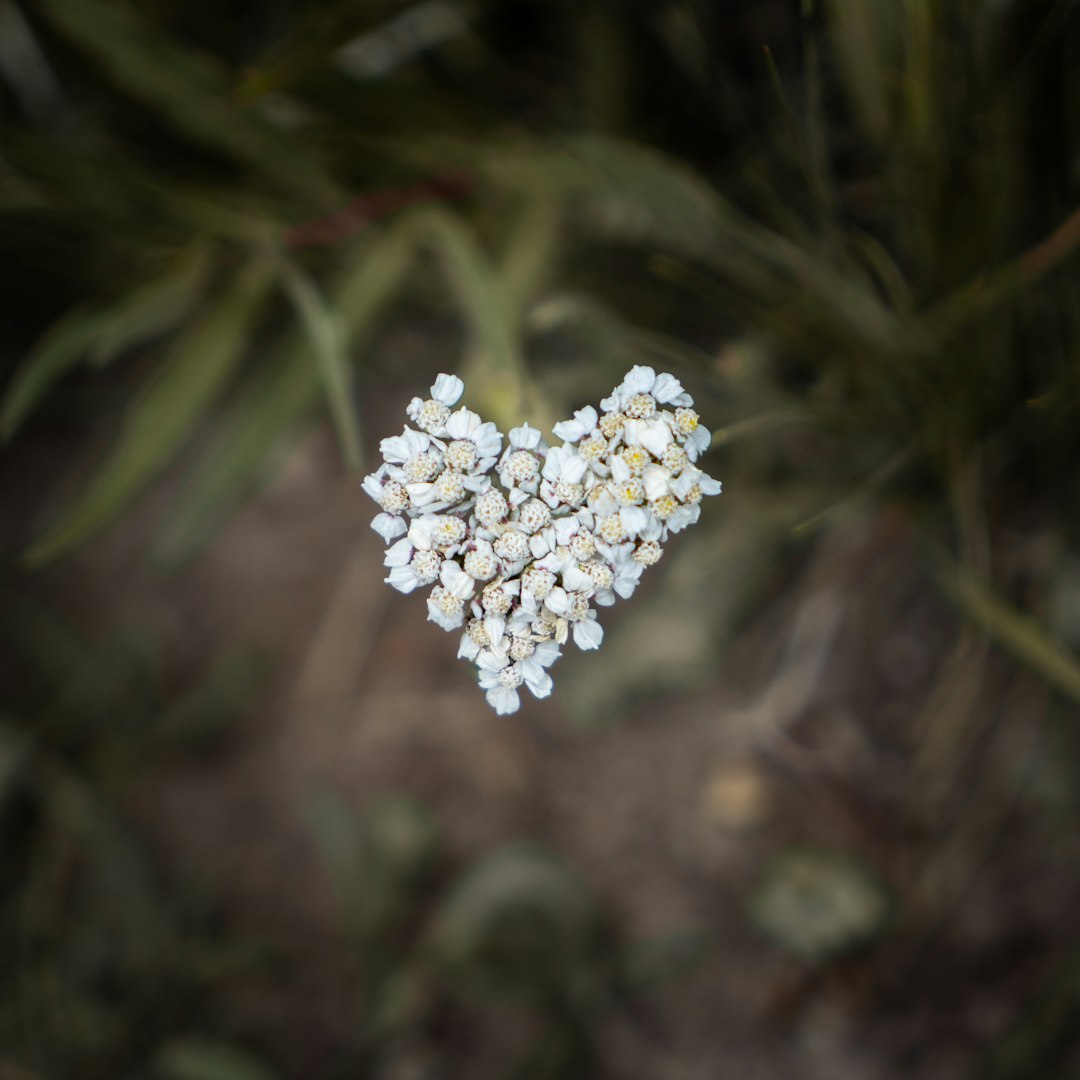
A reminder of things Victorian and a graceful accent in arrangements. Common names include amaranth and tassel flower.
Harvest
65-75d
Days to harvest
Sun
Full sun to partial shade
Zones
2–11
USDA hardiness
Height
3-5 feet
Planting Timeline
Showing dates for Love-Lies-Bleeding in USDA Zone 7
All Zone 7 flower →Zone Map
Click a state to update dates
Love-Lies-Bleeding · Zones 2–11
Growing Details
Succession Planting
Love-Lies-Bleeding is a warm-season annual that blooms over a long stretch without any help from you — one sowing gets you tassels from midsummer through first frost. Direct sow from April through June in zone 7, or start indoors 6-8 weeks before your last frost date (mid-March in the Atlanta area) and transplant in April or May once nighttime temps hold reliably above 50°F. The plant doesn't stop on its own; it keeps pushing new tassel growth until cold shuts it down.
That said, if you want a steady supply of fresh, unweathered tassels for cutting or drying, a second direct sowing in late May gives you plants hitting peak bloom in September, when your April plants may look ragged from three months of heat. Two sowings about 6 weeks apart is enough — beyond that you're just crowding the bed without gaining much.
Complete Growing Guide
Light: Full sun (6 or more hours of direct sunlight a day), Partial Shade (Direct sunlight only part of the day, 2-6 hours). Drainage: Good Drainage. Height: 3 ft. 0 in. - 5 ft. 0 in.. Spread: 1 ft. 0 in. - 2 ft. 0 in.. Spacing: 12 inches-3 feet. Growth rate: Medium. Maintenance: Low. Propagation: Seed.
Harvesting
Love-Lies-Bleeding reaches harvest at 65 - 75 days from sowing per Johnny's Selected Seeds. As an annual, harvest continues until frost ends the season.
Type: Achene.
Edibility: Seeds, leaves
Storage & Preservation
Fresh-cut Love-Lies-Bleeding spikes last 10–14 days in a vase of cool water; change water every 2–3 days and re-cut stem bases for better uptake. Store in a cool room (60–68°F) away from ripening fruit and direct sun to extend vase life.
For drying, hang bundles upside down in a well-ventilated space (attic, garage, or shed) away from direct sunlight for 3–7 days until stems are brittle and flowers papery. Once dry, store in a cardboard box or paper bag in a cool, dry place; they'll keep for 1–2 years if protected from moisture and dust. Do not dry in sealed containers, as trapped humidity causes mold. Dried spikes can also be pressed in a flower press for 2–3 weeks, then stored flat in archival paper for decorative collage or craft projects lasting indefinitely.
History & Origin
Origin: Ecuador to NW. Argentina
Advantages
- +Distinctive drooping crimson tassels create dramatic Victorian-inspired floral arrangements
- +Produces continuous blooms throughout the season with minimal deadheading required
- +Thrives in hot, dry conditions where many other flowers struggle
- +Easy 65-75 day growing period suits both beginner and experienced gardeners
Considerations
- -Requires full sun and well-draining soil or develops root rot issues
- -Heavy seed heads may cause stems to droop or require staking support
- -Tall varieties can become leggy and unattractive if not properly spaced
Companion Plants
Marigolds and nasturtiums earn the spots closest to Love-Lies-Bleeding. French marigold types like 'Petite Gold' release thiophene compounds from their roots that suppress soil nematodes, and their scent disrupts aphid host-finding behavior before the insects even land. Nasturtiums function as a sacrificial crop — aphids pile onto them first, which concentrates the problem in one place and draws in hoverflies whose larvae are genuinely effective predators. Zinnias and cosmos extend that effect through July and August by providing continuous nectar for parasitic wasps and ladybugs. In our zone 7 Georgia garden, stacking those bloom types means beneficial insect activity stays high exactly when spider mite and aphid pressure peaks with the heat.
Give Love-Lies-Bleeding at least 30 feet of clearance from black walnut trees. Juglone — the allelopathic compound black walnuts produce in their roots, hulls, and decomposing leaf litter — moves through soil across the entire root zone and is concentrated enough to stunt Amaranthus caudatus without any obvious source visible above ground. Fennel is a different kind of problem: its roots release anethole, which suppresses germination in neighboring plants, and fennel's volatile compounds actively repel many of the same beneficial insects the rest of this planting combination is trying to attract. Neither one belongs in the same bed.
Plant Together
Marigolds
Repel aphids, whiteflies, and nematodes while attracting beneficial insects
Nasturtiums
Act as trap crops for aphids and flea beetles, protecting Love-Lies-Bleeding
Zinnias
Attract pollinators and beneficial predatory insects while providing complementary colors
Sunflowers
Provide structural support and wind protection while attracting beneficial birds
Cosmos
Attract beneficial insects and pollinators while creating attractive cottage garden combinations
Cleome
Share similar growing conditions and attract hummingbirds and butterflies
Celosia
Both are Amaranth family members with similar cultural needs and complementary flower forms
Sweet Alyssum
Attracts beneficial insects like lacewings and provides ground cover to retain soil moisture
Keep Apart
Black Walnut Trees
Release juglone toxin that inhibits growth and can kill Love-Lies-Bleeding
Fennel
Produces allelopathic compounds that inhibit growth of most garden plants
Eucalyptus
Releases allelopathic chemicals that suppress growth of nearby flowering plants
Pests & Disease Resistance
Common Pests
Spider mites, aphids
Diseases
Powdery mildew in humid conditions with poor air circulation
Troubleshooting Love-Lies-Bleeding
What you'll see, why it happens, and what to do about it.
Fine webbing on undersides of leaves, with stippled or bronzed leaf surfaces, especially in dry spells
Likely Causes
- Two-spotted spider mite (Tetranychus urticae) — thrives in hot, dry conditions above 85°F
- Dusty or stressed plants with poor air circulation
What to Do
- 1.Blast the undersides of leaves with a strong jet of water three days in a row — disrupts the colony without chemicals
- 2.If mites persist, spray with insecticidal soap or neem oil in the evening, covering undersides thoroughly
- 3.Water plants more consistently during heat; stressed plants attract mites faster than healthy ones
Clusters of soft, pear-shaped insects on new growth tips or along the flowering tassels, sometimes with sticky residue and ants patrolling the stems
Likely Causes
- Aphids (likely Myzus persicae or Aphis fabae) — ants may be actively tending them and chasing off predators
- Excess nitrogen pushing out soft, sappy growth that aphid populations prefer
What to Do
- 1.Knock aphids off with a hard water spray; repeat every 2-3 days until the population crashes
- 2.If ants are present, apply a sticky barrier like Tanglefoot around the base of each stem to cut off their access
- 3.Back off nitrogen fertilizer — soft growth feeds aphid colonies faster than you can spray them
White or gray powdery coating on upper leaf surfaces, starting on older leaves and spreading upward, usually after humid nights in summer
Likely Causes
- Powdery mildew caused by Golovinomyces or related fungi — common when nights stay above 60°F and humid while days are hot and dry
- Plants spaced under 18 inches apart, which traps moisture and cuts off airflow between stems
What to Do
- 1.Remove and trash (don't compost) the worst-affected leaves immediately
- 2.Spray with a baking soda solution — 1 tablespoon baking soda plus 1 teaspoon horticultural oil per gallon of water — on a 7-day schedule
- 3.Next season, plant at the full 24-inch spacing and switch to drip irrigation or morning hand-watering to keep foliage dry
Seedlings topple at soil level with a pinched, water-soaked stem, usually in the first 10-14 days after germination
Likely Causes
- Damping off from soil-borne fungi — Pythium ultimum and Rhizoctonia solani are the usual culprits — triggered by consistently wet, poorly drained seed-starting mix
- No air movement around trays indoors, which keeps the surface damp long enough for fungal colonization
What to Do
- 1.A seedling that's already pinched at the base won't recover — pull it and check neighbors for the same constriction
- 2.Let the surface of the seed-starting mix dry slightly between waterings, and run a small fan near trays for an hour or two a day
- 3.Use a sterile soilless mix and clean trays each season; reusing last year's mix without sterilizing it is how this problem repeats
Frequently Asked Questions
How long does love-lies-bleeding take to grow from seed to flowers?▼
Is love-lies-bleeding good for beginners?▼
Can you grow love-lies-bleeding in containers?▼
When should I plant love-lies-bleeding seeds?▼
How do you dry love-lies-bleeding flowers?▼
Does love-lies-bleeding self-seed?▼
Zone-by-Zone Planting Calendar
| Zone | Indoor Start | Transplant | Direct Sow | Harvest |
|---|---|---|---|---|
| Zone 3 | April – May | June – July | June – August | — |
| Zone 4 | March – April | June – June | June – July | — |
| Zone 5 | March – April | May – June | May – July | — |
| Zone 6 | March – April | May – June | May – July | — |
| Zone 7 | February – March | April – May | April – June | — |
| Zone 8 | February – March | April – May | April – June | — |
| Zone 9 | January – February | March – April | March – May | — |
| Zone 10 | January – January | February – March | February – April | — |
| Zone 1 | May – June | July – August | July – September | — |
| Zone 2 | April – May | June – July | June – August | — |
| Zone 11 | January – January | January – February | January – March | — |
| Zone 12 | January – January | January – February | January – March | — |
| Zone 13 | January – January | January – February | January – March | — |
Growing Guides from Wind River Greens
Sources & References
External authority sources used in compiling this guide.
- ExtensionNC State Extension
- BreederJohnny's Selected Seeds
See the Methodology page for how this data is sourced, what's AI-assisted, and known limitations.