Patriot Blueberry
Vaccinium corymbosum 'Patriot'
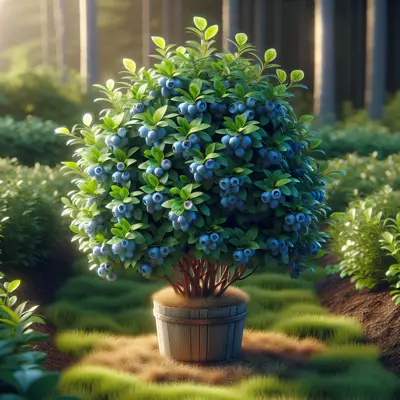
An exceptionally hardy northern highbush blueberry known for its consistent heavy yields and superior cold tolerance. This vigorous variety produces large, flavorful berries early in the season and demonstrates excellent resistance to root rot, making it ideal for challenging growing conditions and northern climates.
Sun
Full sun to partial shade
Zones
3–8
USDA hardiness
Height
6-12 feet
Planting Timeline
Showing dates for Patriot Blueberry in USDA Zone 7
All Zone 7 berry →Zone Map
Click a state to update dates
Patriot Blueberry · Zones 3–8
Growing Details
Complete Growing Guide
Plant Patriot Blueberry in early spring or fall in acidic soil (pH 4.5–5.5) with excellent drainage to maximize its exceptional root rot resistance—a key advantage over standard highbush varieties. This cultivar's early fruiting window means it produces harvestable berries 2–3 weeks ahead of other northern varieties, so time plantings accordingly if extending your season matters. Space plants 4–5 feet apart in full sun with consistent moisture; while cold-hardy to zone 3, Patriot's vigor can lead to dense canopy growth that benefits from annual pruning to improve air circulation and prevent fungal issues in humid regions. Unlike some highbush types, Patriot rarely exhibits excessive vegetative stretching when properly pruned, keeping plants manageable. The one essential practice: cross-pollinate with another blueberry variety for optimal fruit set, even though Patriot shows better self-fertility than many cultivars—this dramatically increases yield reliability in northern gardens.
Light: Full sun (6 or more hours of direct sunlight a day), Partial Shade (Direct sunlight only part of the day, 2-6 hours). Soil: Clay, Loam (Silt), Sand. Soil pH: Acid (<6.0). Drainage: Good Drainage, Moist, Occasionally Dry. Height: 6 ft. 0 in. - 12 ft. 0 in.. Spread: 6 ft. 0 in. - 10 ft. 0 in.. Spacing: 6-feet-12 feet. Growth rate: Medium. Maintenance: Medium. Propagation: Seed, Stem Cutting. Regions: Mountains, Piedmont.
Harvesting
Patriot blueberries reach peak harvest readiness when they display a deep, uniform blue color with a silvery-white bloom coating, typically measuring three-quarters of an inch or larger and yielding slightly to gentle finger pressure. Unlike single-harvest varieties, Patriot produces berries continuously over several weeks, allowing for multiple picking passes as clusters ripen in succession from the top of the plant downward. For optimal flavor development, wait until berries have fully transitioned from blue to deep indigo before harvesting, as this cultivar's firm texture allows them to hang on the bush longer than softer varieties without dropping. Begin harvesting in early to mid-season, and plan to revisit productive canes every three to five days to capture fruit at its sweetest stage.
Blue to purple small round fruits that show up in August, ripening from a green to pink color to full ripeness. Females cannot produce fruit on their own. Fruit is edible.
Color: Blue, Green, Pink, Purple/Lavender. Type: Berry. Length: < 1 inch. Width: < 1 inch.
Garden value: Edible
Harvest time: Summer
Edibility: The berries are edible and have been used raw, sun-dried. smoke-dried, and baked. They have high iron content.
Storage & Preservation
Fresh Patriot blueberries keep exceptionally well due to their firm texture and thick skin. Store unwashed berries in the refrigerator in their original container or a breathable container lined with paper towels. They'll maintain quality for 10-14 days at 32-35°F with high humidity.
For freezing, spread berries in a single layer on baking sheets and freeze until solid, then transfer to freezer bags. Patriot's firm texture makes it ideal for freezing—berries retain their shape better than softer varieties when thawed.
Dehydrating works well for this variety's dense, flavorful berries. Use a food dehydrator at 135°F for 12-18 hours until leathery but still pliable. For jams and jellies, Patriot's balanced acidity and natural pectin content create excellent gels without added pectin. The variety's early season timing also makes it perfect for combining with strawberries in mixed-berry preserves.
History & Origin
Patriot Blueberry emerged from the University of Maine's blueberry breeding program, which has long focused on developing cold-hardy cultivars suited to northeastern growing conditions. Released in the 1970s, Patriot represents the deliberate crossing of highbush blueberry genetics to combine superior winter hardiness with productive yields and quality fruit. The variety reflects the university's commitment to advancing northern agriculture by breeding plants that thrive in challenging climates where traditional southern highbush varieties struggle. While detailed breeder attribution records for this variety remain somewhat limited in public documentation, Patriot's development exemplifies the systematic work undertaken by Maine's horticultural researchers to expand blueberry cultivation into regions previously considered unsuitable for commercial production.
Origin: Eastern North America
Advantages
- +Exceptional cold hardiness makes Patriot ideal for northern climate gardeners
- +Produces large, flavorful berries consistently and heavily each season
- +Early harvest timing extends your blueberry picking window considerably
- +Superior root rot resistance thrives even in poorly-drained soils
- +Vigorous growth and easy cultivation suit beginner and expert growers
Considerations
- -Mummy berry and anthracnose diseases require preventive fungicide spraying
- -Blueberry maggots and birds necessitate netting or consistent pest management
- -Stem canker can damage canes in high-humidity growing environments
Companion Plants
Azaleas, rhododendrons, and cranberries are natural neighbors for Patriot because they all thrive at pH 4.5–5.5 — group them and you're managing one soil profile instead of juggling competing requirements. Pine trees nearby drop acidic needles that nudge pH down over seasons, a slow but free amendment. Marigolds and thyme bring in pollinators during the bloom window, and fruit set on Patriot is meaningfully better with good bee activity. Black walnut is the one to keep far away — juglone, the compound it leaches from roots and decomposing hulls, is well-documented to damage Vaccinium at concentrations that build up within 50 feet of the trunk. Tomatoes and brassicas aren't toxic neighbors, just incompatible ones: both prefer a pH closer to 6.5–7.0, so growing them nearby pulls your soil-amendment decisions in opposite directions.
Plant Together
Azalea
Shares similar acidic soil requirements and shallow root system
Rhododendron
Thrives in same acidic, well-draining soil conditions
Pine Trees
Needles acidify soil naturally and provide partial shade
Strawberry
Similar soil pH needs and attracts beneficial pollinators
Cranberry
Compatible acidic soil requirements and growth habits
Ferns
Prefer acidic soil and provide ground cover without competing for nutrients
Marigold
Deters harmful nematodes and attracts beneficial insects
Thyme
Repels pests and tolerates acidic soil conditions
Keep Apart
Black Walnut
Produces juglone toxin that stunts blueberry growth and development
Tomato
Requires alkaline soil conditions that are detrimental to blueberries
Brassicas
Need higher pH soil and may compete for nutrients in root zone
Nutrition Facts
Per 100g serving. % Daily Value based on 2,000 calorie diet. Source: USDA FoodData Central (FDC #2346411)
Pests & Disease Resistance
Resistance
Excellent resistance to phytophthora root rot, very cold hardy to -29°F
Common Pests
Blueberry maggot, aphids, scale insects, birds
Diseases
Mummy berry, anthracnose, stem canker
Troubleshooting Patriot Blueberry
What you'll see, why it happens, and what to do about it.
Berries shriveling on the bush, turning into hard, gray-brown mummies before or after harvest
Likely Causes
- Mummy berry (Monilinia vaccinii-corymbosi) — a fungal disease that overwinters in infected fruit on the ground and releases spores in spring
- Poor airflow through dense canopy
What to Do
- 1.Rake up and dispose of all mummified fruit — bag them, don't compost
- 2.Apply a copper-based fungicide at bud swell before bloom, following label rates
- 3.Mulch 3–4 inches deep with pine bark or wood chips to physically block spore release from soil
Small, white maggots found inside ripe or nearly ripe berries; fruit drops early
Likely Causes
- Blueberry maggot (Rhagoletis mendax) — adult flies lay eggs under the skin of ripening fruit in mid to late summer
- Nearby abandoned or unmanaged blueberry plants serving as a reservoir population
What to Do
- 1.Hang yellow sticky traps baited with ammonium acetate starting in late June to monitor adult fly activity
- 2.Pick fruit promptly at peak ripeness — don't let overripe berries sit on the bush
- 3.Apply an approved spinosad-based spray if trap counts exceed roughly 1 fly per trap per week, per NC State Extension guidelines
Leaves yellowing between the veins while the veins themselves stay green, most visible on new growth
Likely Causes
- Iron chlorosis caused by soil pH above 5.5 — blueberries can't access iron at neutral pH
- Waterlogged soil restricting root function
What to Do
- 1.Test your soil pH — if it's above 5.2, work in elemental sulfur at the rate listed for your soil type (expect 6–12 months for full effect)
- 2.Use a chelated iron foliar spray as a faster stopgap while the sulfur does its slow work
- 3.Check drainage; Patriot handles wet feet better than most highbush varieties, but standing water for more than a day or two still shuts down root uptake
Dark, sunken lesions on young canes; dieback running from the tip down, sometimes with reddish discoloration at the margin of dead tissue
Likely Causes
- Stem canker (Botryosphaeria corticis or Diaporthe vaccinii depending on symptoms) — fungal, enters through pruning wounds or winter-cracked bark
- Wet springs that keep spores active while fresh cuts are still open
What to Do
- 1.Cut out affected canes at least 6 inches below any visible discoloration, pruning into clean white wood
- 2.Wipe pruner blades with 70% isopropyl alcohol between every cut — the fungus moves easily on contaminated tools
- 3.Schedule pruning for a dry stretch so cut surfaces can begin callusing before spores land on them
Frequently Asked Questions
How long does Patriot blueberry take to produce fruit?▼
Can you grow Patriot blueberry in containers?▼
What does Patriot blueberry taste like?▼
When should I plant Patriot blueberry bushes?▼
Is Patriot blueberry good for beginners?▼
Patriot vs Duke blueberry - what's the difference?▼
Zone-by-Zone Planting Calendar
Growing Guides from Wind River Greens
Sources & References
External authority sources used in compiling this guide.
See the Methodology page for how this data is sourced, what's AI-assisted, and known limitations.